
Quick answers
Is it safe to drive after just one drink?
No. Even one drink slows your reactions and dulls your judgement. Plan a cab or a sober driver before the party starts.
What should I do if a friend wants to drive drunk?
Do not let them. Take the keys, call a cab or drop them yourself. Stopping them protects their life and everyone else on the road.
Why is over-speeding so dangerous?
WHO says every 1% rise in average speed raises the risk of a fatal crash by about 4%. On unlit or uneven roads, high speed leaves no room for error.
Why do people still drink and drive or speed?
False confidence, weak enforcement outside big cities, peer pressure at parties and dhabas, and not knowing that alcohol stays in the blood for hours.
The fine for drunk driving in India under section 185 of the Motor Vehicles Act is Rs 10,000 for a first offence and Rs 15,000 for a repeat offence, after the 2019 amendment. The text we read also allows jail of up to six months, then up to two years. MoRTH recorded 3,204 road deaths linked to alcohol or drugs in 2024.
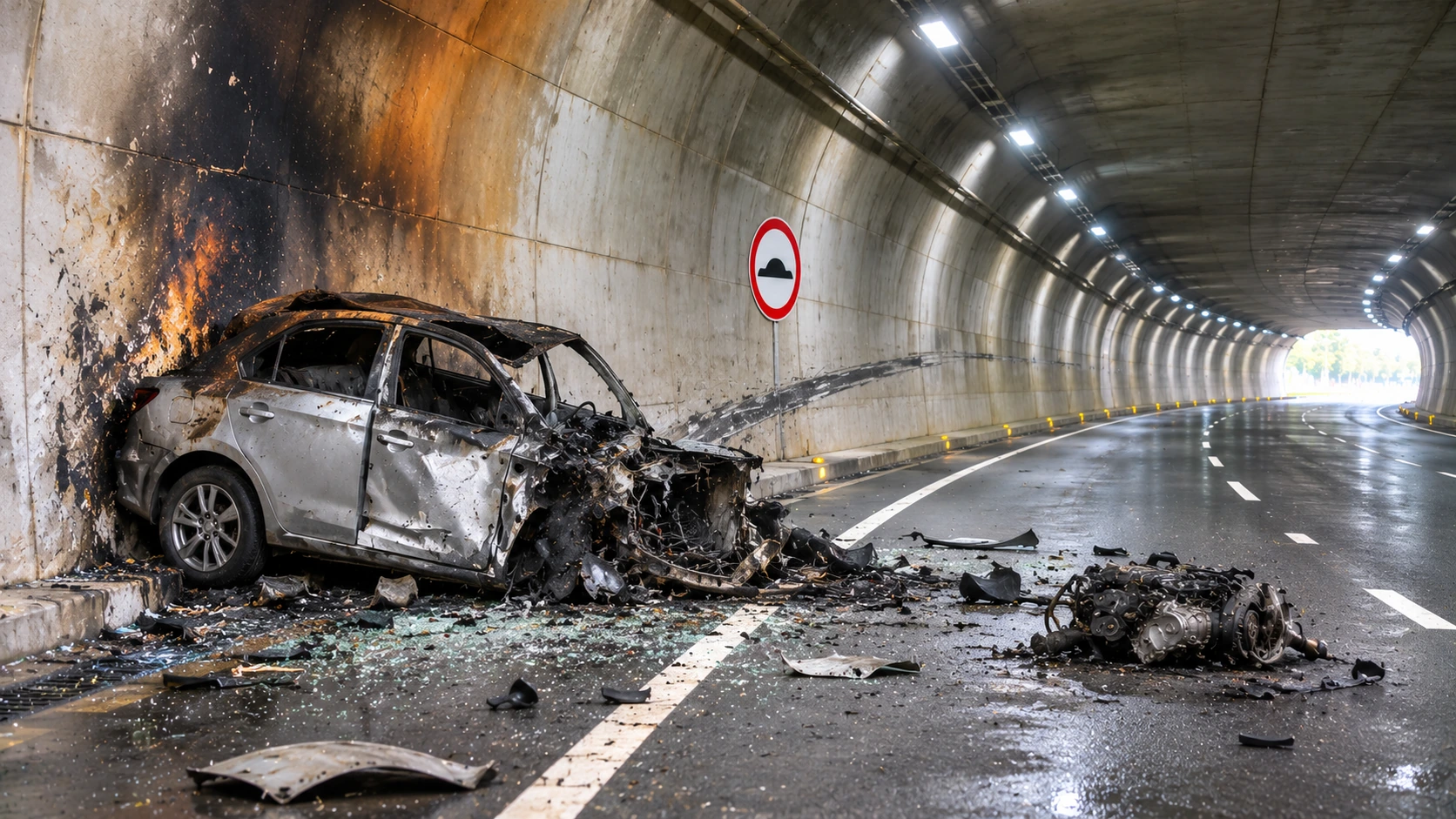
About 20 people die on India’s roads every hour. Most of those deaths are linked to one habit: driving too fast.
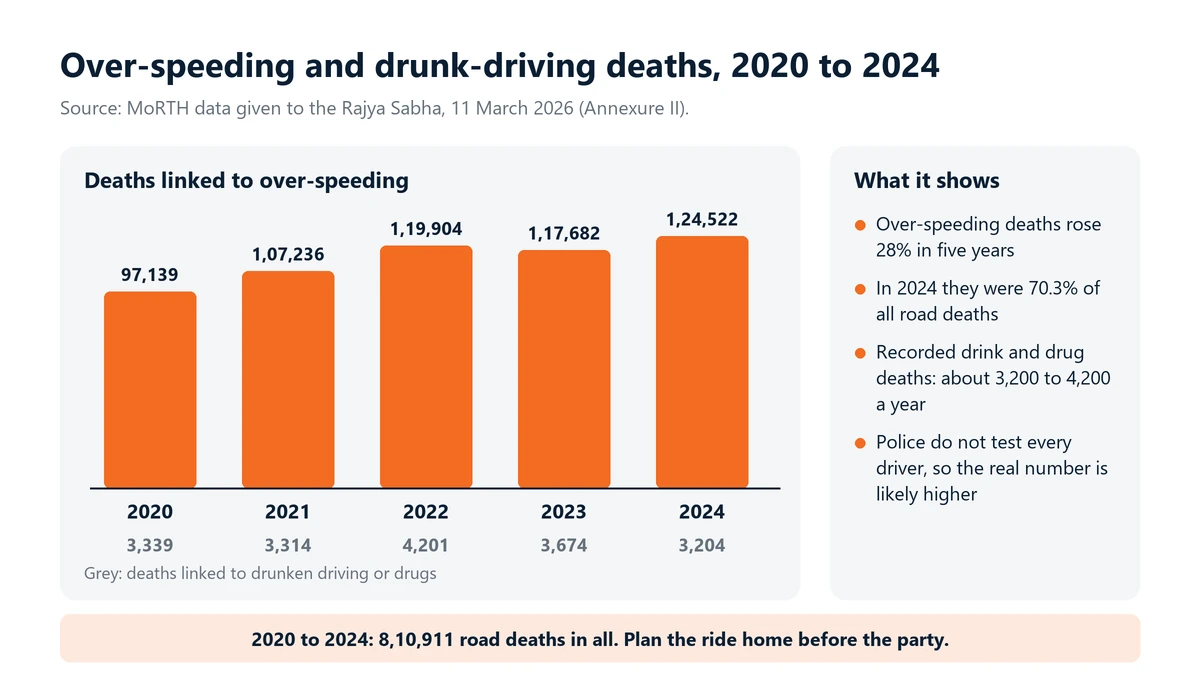
Between 2020 and 2024, India lost 8,10,911 lives in road accidents (MoRTH). About 70% of those deaths were linked to over-speeding, and about 2% to drunken driving or drugs. These were not bad luck. They were choices that went wrong.
Two thoughts that kill
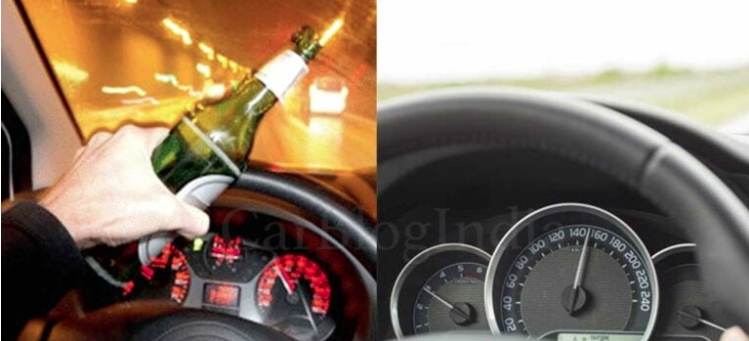
Behind most of these crashes is one of two thoughts: “I can handle it” or “just this once”. Someone who speeds or drives after drinking is not only risking their own life. They are risking every rider, pedestrian and family on that road. On roads that are already badly lit and badly designed, the risk is far higher.
The five-year picture, 2020 to 2024
| Year | Total road deaths | Linked to over-speeding | Linked to alcohol or drugs | Both together, % of all deaths |
|---|---|---|---|---|
| 2020 | 1,38,383 | 97,139 | 3,339 | 72.6% |
| 2021 | 1,53,972 | 1,07,236 | 3,314 | 71.8% |
| 2022 | 1,68,491 | 1,19,904 | 4,201 | 73.7% |
| 2023 | 1,72,890 | 1,17,682 | 3,674 | 70.2% |
| 2024 | 1,77,175 | 1,24,522 | 3,204 | 72.1% |
Source: MoRTH data for 2020 to 2024 given to the Rajya Sabha on 11 March 2026.
What the table tells us:
- Deaths linked to over-speeding rose by 28% in five years, from 97,139 in 2020 to 1,24,522 in 2024.
- Recorded drunk-driving deaths stayed between about 3,200 and 4,200 a year. Police do not test every driver after a crash, so the real number is very likely higher.
- Together, these two causes are linked to about seven out of every ten road deaths.
The police-record view: NCRB 2024
The National Crime Records Bureau keeps its own count of road deaths from police records, and it gives a lower share for speed. The NCRB ADSI 2024 report puts over-speeding at 1,01,649 deaths, which is 58.0% of its 1,75,142 road deaths, and dangerous or careless driving or overtaking at 46,132 deaths (26.3%). Drink or drug driving accounts for 3,375 deaths (1.9%). The MoRTH table above gives a higher share for speed (70.3%) and fewer drink or drug deaths (3,204). The two do not match on totals or causes, and we have not reconciled them, so when you quote a figure, name the source and the year. Our guide to why NCRB and MoRTH road death numbers differ sets the two counts side by side. On either count, speed is the largest single cause.
Why it keeps happening
- False confidence. “I drive fast every day.” “I have driven after a couple of drinks before.”
- Weak enforcement. Breath tests are rare outside big cities and festival nights, and highways are thinly policed.
- It is treated as normal. Late-night parties, drinks at the highway dhaba, friends egging you on.
- Not knowing how long alcohol lasts. Alcohol stays in the blood for hours. A night’s sleep may not be enough after heavy drinking.
- Bad roads. Speeding on unlit, uneven highways leaves no room for error.
The numbers at a glance
- 1,24,522 deaths linked to over-speeding in 2024, 70.3% of all road deaths.
- 3,204 deaths linked to drunken driving or drugs in 2024.
- 66.1% of people killed on the road in 2024 were aged 18 to 45.
- The World Health Organization says crash risk rises sharply once a driver’s blood alcohol reaches 0.04 g/dl.
- WHO also says that every 1% rise in average speed raises the risk of a fatal crash by about 4%.
What is the penalty for drunk driving in India?
Section 185 of the Motor Vehicles Act, 1988 deals with driving, or trying to drive, while drunk or under the influence of a drug. As amended in 2019, it carries a fine of Rs 10,000 for a first offence and Rs 15,000 for a second or later offence. The text of the section, as we read it, also allows imprisonment of up to six months for a first offence and up to two years for a repeat offence, with the fine, or both. Before the 2019 amendment the fine for a first offence was Rs 2,000, according to a comparison table in the Indian Law Institute’s law review. Our guide to drunk driving in India and what a breath test means goes through the checkpoint steps.
Drunken driving fine in India at a glance
- First offence: fine of Rs 10,000, or jail up to six months, or both.
- Second or later offence: fine of Rs 15,000, or jail up to two years, or both.
- Old first-offence fine: Rs 2,000, before the 2019 amendment.
- Drugs: the same section also covers driving under a drug to the extent that you cannot control the vehicle.
Two cautions. We could not open the Act on India Code or on MoRTH’s own page, so the fine figures rest on the Indian Law Institute table and on the text of the section as shown on the Indian Kanoon legal database. Please check the current text before you rely on it, and treat this page as general information, not legal advice. Also, a fine is not the only cost. A drunk-driving case can bring an arrest and a court case, but we have not read those sections, so we do not describe them here.
Death due to alcohol in India on the road: what the figures count
The MoRTH figures in the table above count road deaths in crashes linked to alcohol or drugs. They do not count deaths from drinking itself, such as liver disease, so they are not a figure for all deaths due to alcohol in India. In 2024 the count was 3,204 out of 1,77,175 road deaths, about 1.8%. The highest year in the table was 2022, with 4,201 of 1,68,491, about 2.5%. Police rarely test every driver after a crash, so these numbers are probably too low, and the NCRB count differs from the MoRTH count for the same reason. The record does not show whether the higher fines of 2019 changed the number of deaths, and we do not claim they did.
Drunk driving deaths in 2025
The latest year in the MoRTH reply we use is 2024. We have not found a full-year 2025 figure for drink-driving deaths on an official page, so we do not state one. When one is published, we will update this page.
What a drunk-driving case can look like
Reports say a roadways bus driver who was allegedly drunk hit 20 people in Padrauna, Uttar Pradesh, and one person died. Read the details in our report on the Padrauna drunk bus driver case. A legal fine is a small price next to a death on the road.
A short checklist before a night out
- Decide who drives before the first drink, and keep that person sober.
- Book the cab or the sober driver early. Late at night, a night drive is already riskier.
- Remember that the legal limit is a line, not a safe amount. The World Health Organization says crash risk rises sharply from 0.04 g/dl.
- If a friend insists on driving, take the keys. Our guide for New Year’s Eve in India covers the party night in full.
- If you see a drunk driver on the road, move away and call 112.
What you can do
- Never drive after drinking. Even one drink slows your reactions and dulls your judgement.
- Do not let a friend drive drunk. Take the keys, call a cab or drop them yourself. You are not spoiling the party. You may be saving a life.
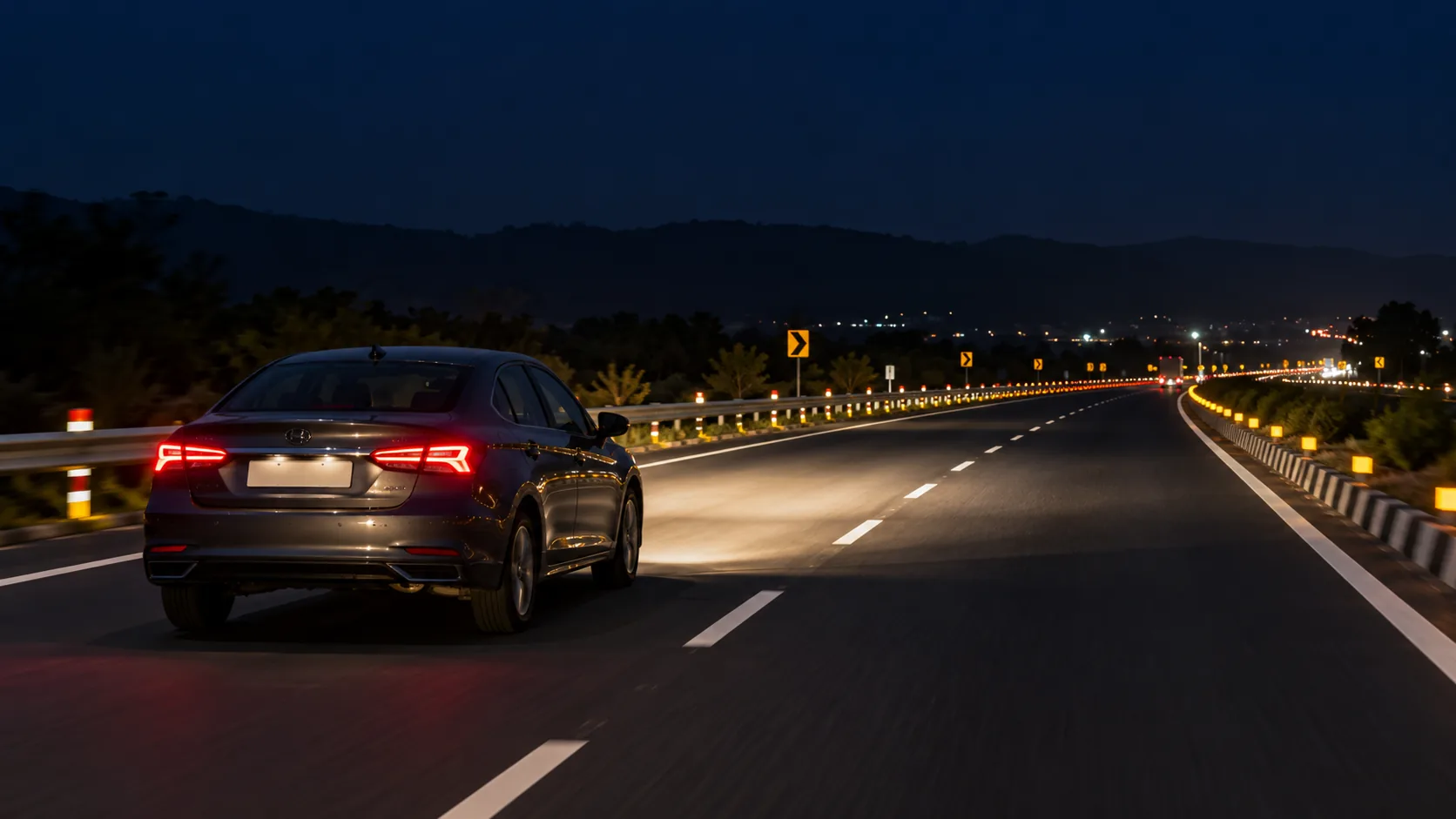
- Slow down on highways, and slow down even more at night, in rain and near villages.
- Plan the ride home before the party starts, whether that is a cab, a sober driver or a place to stay.
- Say no to racing and late-night speed challenges. No thrill is worth a life.
What needs to change
- Regular breath-test checkpoints, not only on festival nights.
- Speed cameras and automatic e-challans on highways and city roads.
- Alcohol interlocks in buses, trucks and other commercial vehicles.
- Strict enforcement of the Supreme Court’s orders restricting liquor sales along highways.
- Awareness campaigns for young people that link safe driving with pride, not fear.
The next time you see someone pick up the car keys after drinking, be the one who stops them. Save 112 on your phone, and if you see a crash, call at once. To plan the ride home, to know what to do if you see a drunk driver and what a police breath test means, read our guide to drunk driving in India. Before a party night, our guide to New Year’s Eve in India also covers fire exits and what the drink-driving law says now. For what ambulance data show about road accidents in Diwali week, see our page on road accidents during Diwali.
What needs attention
- Over-speeding was linked to about 70% of all road deaths from 2020 to 2024
- Deaths linked to over-speeding rose 28% in five years
- Recorded drunk-driving deaths are about 2% of the total, but police likely under-record them
- Small increases in speed bring large increases in the risk of death
- Weak enforcement outside big cities lets both habits continue
- Most of the people killed are young adults
Controls that reduce risk
- Agree a family rule: nobody drives after drinking
- Plan a cab or sober driver before any party
- Keep to speed limits, and lower in rain, fog and at night
- Speak up when a friend tries to drive drunk
- Support breath-test checks and speed cameras in your area
Common unsafe practices
- Believing you can "handle" high speed
- Driving after "just one drink"
- Assuming a night's sleep clears all the alcohol
- Letting a drunk friend take the wheel
- Racing or speeding on empty highways at night
- Driving fast on unlit or uneven roads



Leave a comment