
☀️ Drought-Linked Health Emergencies – Emerging Data (2019–2025)
What needs attention
- The article topic must be linked to the actual occupancy and hazard
- Prevention and early warning provide more safety margin than last-second intervention
- Equipment is effective only when correctly selected, accessible and maintained
- People need short practised actions and a clear decision to stop and escape
- Children, visitors and people needing assistance require explicit planning
- Records, drills and inspections matter only when defects are corrected
Controls that reduce risk
- Complete a task- and site-specific hazard assessment
- Verify applicable Indian, state and local requirements
- Use competent inspection for installed systems and specialist hazards
- Keep alarms, exits, signs and emergency access usable
- Train intended users and practise evacuation
- Record defects with an owner and completion date
- Review the plan after changes, incidents or near misses
Understand and apply the guidance
🔴 Truth Drop
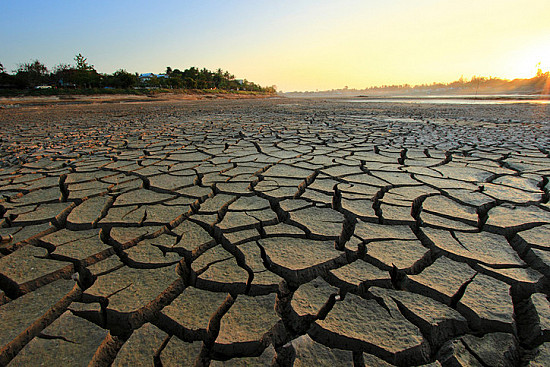
Between 2019 and 2025, over 50% of India’s districts have faced moderate to severe drought conditions at least once.
(Source: IMD, NITI Aayog Drought Atlas 2025, NDMA Reports)
👉 While droughts are seen as economic or agricultural crises, they are now turning into public health emergencies — triggering dehydration, malnutrition, mental health distress, and vector-borne diseases.
Every dry season, invisible health disasters rise before our eyes.
📖 Why This Matters
When the rain doesn’t fall, everything else begins to collapse — food, water, and eventually, health.
Prolonged droughts affect nutrition, sanitation, and immunity, leaving millions — especially children and the elderly — vulnerable to disease.
The link between climate stress and health breakdown is no longer theoretical.
It’s happening right now — from Marathwada to Bundelkhand, from Vidarbha to Rajasthan.
📊 India’s Drought Map (2019–2025)
| Category | States Most Affected | Key Health Impacts |
|---|---|---|
| Severe Drought (2019–2023) | Maharashtra (Marathwada, Vidarbha), Karnataka (North), Rajasthan, Gujarat, Telangana | Heat strokes, kidney disease, farmer suicides |
| Moderate Drought | Madhya Pradesh, Andhra Pradesh, Chhattisgarh, Jharkhand | Malnutrition, waterborne diseases |
| Recurring Water Stress | Tamil Nadu, Haryana, Punjab, Bundelkhand (UP) | Groundwater depletion, migration stress |
| New Emerging Zones (2024–25) | Himachal, Uttarakhand foothills, NE dry pockets | Crop failure, water scarcity-related conflict |
(Source: IMD Drought Monitoring 2024, NDMA & NITI Aayog 2025)
⚠️ Key Health Emergencies Emerging
- Dehydration & Heat Stress
– Sharp rise in hospital cases during summer peaks (esp. Maharashtra, Telangana, Rajasthan). - Kidney & Urinary Disorders
– Linked to chronic dehydration and poor water quality. - Malnutrition
– Crop loss = food insecurity for children and pregnant women. - Mental Health Distress
– Farmer suicides, anxiety, depression due to livelihood loss. - Vector-Borne Diseases
– Droughts followed by unseasonal rains → mosquito breeding in stagnant water. - Waterborne Diseases
– Use of unsafe sources leads to diarrheal outbreaks.
📊 Data Highlights (2019–2025)
- Population Affected: 25–30 crore (avg. annually)
- Heat-Related Deaths: 1,200–1,600 annually (NDMA, 2024)
- Malnutrition Rise: 8–12% increase in drought-hit districts (NFHS 2024)
- Kidney Disease Cases: Up by 20% in chronic drought zones (AIIMS 2023)
- Economic Loss: ₹70,000 crore/year (direct + indirect health + agriculture loss)
- Mental Health Impact: 20,000+ farmer suicides linked to drought debt (NCRB 2019–24)
🧠 Why Drought Health Risks Are Rising
- Climate Extremes:
Erratic rainfall patterns — long dry spells followed by sudden floods. - Groundwater Collapse:
India’s per capita water availability down 75% since 1950. - Urban Expansion:
Over-extraction for cities leaves rural zones dry. - Policy Gaps:
Focus on relief, not prevention or public health resilience. - Poor Early-Warning Reach:
Farmers often unaware of IMD drought projections or water alerts.
🛡 Survival Lessons for Citizens
✅ Stay hydrated: Minimum 3–4 liters/day in heat zones.
✅ Avoid outdoor exposure between 12–4 PM in peak summer.
✅ Use ORS / electrolyte water to prevent heat stroke.
✅ Report water contamination to local health offices immediately.
✅ Grow shade plants & store rainwater — small steps reduce large stress.
✅ Check on vulnerable groups — children, elderly, and outdoor workers.
📢 Systemic Lessons
India must:
- Treat drought as a public health emergency, not just an agricultural event.
- Integrate heat & water stress data into health surveillance networks.
- Build village-level water storage & greywater recycling systems.
- Launch mass awareness on heat stroke and dehydration prevention.
- Create a National Drought & Health Resilience Taskforce under NDMA–MoHFW.
- Train VFF India-style volunteers in rural first aid and awareness.
📣 Call to Action
🚨 Droughts don’t make headlines — but they slowly break lives.
👉 Awareness, water management, and local preparedness are the strongest medicines we have.
Start small — conserve water, educate others, protect those most exposed.
Every drop saved is a life delayed from danger.
📎 References
- IMD & NITI Aayog Drought Atlas 2025
- NDMA Annual Drought Report 2024
- WHO–SEARO Climate & Health Outlook 2023
- AIIMS Environmental Health Study 2024
- National Family Health Survey (NFHS-6), 2024
🔚 Closing Line
Drought doesn’t arrive with noise — it arrives in silence, and it leaves scars.
This is why we built HowToSurvive.in — to give voice to invisible disasters, and strength to those still surviving them.
Common unsafe practices
- Relying on equipment without a hazard assessment
- Blocking or compromising escape routes
- Delaying the alarm or emergency call
- Attempting a response beyond training or safe conditions
- Re-entering before authorised clearance
- Treating a checklist as a substitute for competent inspection