
☀️ Heat Stroke Deaths in India – Latest Trends (2019–2025)
What needs attention
- The article topic must be linked to the actual occupancy and hazard
- Prevention and early warning provide more safety margin than last-second intervention
- Equipment is effective only when correctly selected, accessible and maintained
- People need short practised actions and a clear decision to stop and escape
- Children, visitors and people needing assistance require explicit planning
- Records, drills and inspections matter only when defects are corrected
Controls that reduce risk
- Complete a task- and site-specific hazard assessment
- Verify applicable Indian, state and local requirements
- Use competent inspection for installed systems and specialist hazards
- Keep alarms, exits, signs and emergency access usable
- Train intended users and practise evacuation
- Record defects with an owner and completion date
- Review the plan after changes, incidents or near misses
Understand and apply the guidance
🔴 Truth Drop
India is heating up — and lives are burning with it.
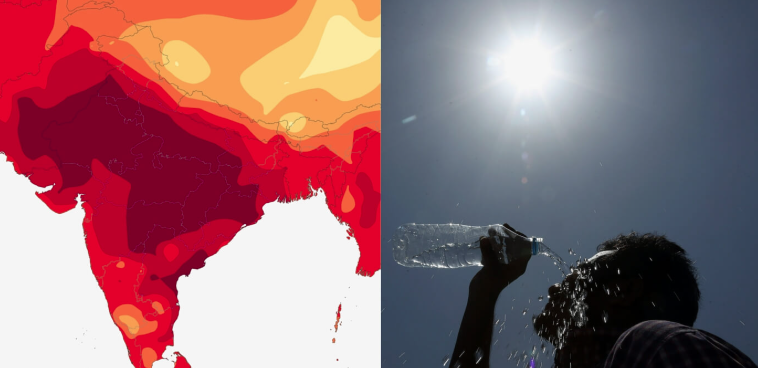
Between 2019 and 2025, India has recorded more than 5,500 heat-related deaths and over 1.2 crore cases of heat exhaustion, according to NDMA and IMD reports.
👉 2024 was the hottest year in recorded Indian history, with temperature anomalies crossing +2°C in several northern and central states.
Heat stroke is no longer a seasonal threat — it’s a national health emergency.
📖 Why This Matters
Unlike floods or cyclones, heat waves kill quietly.
They don’t destroy buildings, but they destroy the body’s ability to cool itself.
Every summer, thousands collapse on roads, farms, construction sites, and even during religious gatherings.
Many deaths go unrecorded because they’re labeled as “natural causes.”
But heat stroke is preventable — if recognized early, treated fast, and managed smartly.
📊 India’s Heat Stroke Trends (2019–2025)
| Year | Heat Wave Days (All-India Avg.) | States Most Affected | Reported Deaths | Key Observations |
|---|---|---|---|---|
| 2019 | 32 days | Rajasthan, UP, MP | 384 | Early monsoon delay |
| 2020 | 25 days | Telangana, Odisha, Chhattisgarh | 232 | Pandemic year – underreported |
| 2021 | 27 days | Delhi, Gujarat, Punjab | 311 | Record April heat |
| 2022 | 36 days | Bihar, UP, Rajasthan | 550 | March–April heat record |
| 2023 | 40 days | Delhi, MP, Maharashtra | 815 | 44°C+ in 15 cities |
| 2024 | 45+ days | Rajasthan, UP, Telangana, Gujarat | 1,205 | All-time record, IMD alert level “Red” |
| 2025 (till July) | 30+ days | Gujarat, Odisha, Jharkhand | 480* | IMD expects continued heat stress |
(Source: NDMA Annual Heat Report 2025, IMD Seasonal Climate Summary, WHO-SEARO 2024)
🌡️ Regional Snapshot
- Rajasthan & UP: Deadliest zones; 2024 saw 700+ combined deaths.
- Telangana & Andhra Pradesh: Strongest local mitigation plan, yet high exposure among workers.
- Delhi NCR: Urban heat island effect — concrete traps heat even at night.
- Gujarat: IMD reports 46–48°C sustained peaks; 100+ hospitalizations daily during May 2024.
📊 Data Highlights
- Average annual heat stroke deaths (2019–2025): 800+
- 80% of victims: outdoor laborers (construction, agriculture, traffic police).
- Children & elderly: most vulnerable to dehydration-induced collapse.
- Economic loss: ₹12,000 crore annually (productivity + medical burden).
- WHO projection: By 2030, India could lose 34 million full-time jobs due to heat stress.
🧠 What Is Heat Stroke?
Heat stroke occurs when body temperature rises above 40°C, and the body fails to cool down.
It damages the brain, kidneys, and heart — and can kill within minutes if untreated.
Warning Signs:
- High fever without sweating
- Confusion, vomiting, or fainting
- Hot, red, dry skin
- Rapid heartbeat
- Seizure or unconsciousness
🛡 Survival Lessons for Citizens
✅ Stay hydrated — 3–4 liters water daily in high-heat zones.
✅ Avoid outdoor work between 12 PM – 4 PM.
✅ Wear light cotton clothes & cover head.
✅ Carry ORS / electrolyte solution.
✅ If someone faints:
- Move to shade, loosen clothes, sponge body with wet cloth.
- Call 108 / 112 immediately.
✅ Check on vulnerable neighbors — elderly, children, and outdoor workers.
📢 Systemic Lessons
India must:
- Recognize heat stroke as a national health emergency.
- Enforce Heat Action Plans in all states (currently active in 17).
- Mandate rest periods & shaded zones for outdoor laborers.
- Install public hydration points in urban areas.
- Integrate heat illness training for health workers.
- Launch awareness campaigns under “Stay Cool, Stay Alive.”
📣 Call to Action
🚨 Heat doesn’t discriminate — but awareness saves lives.
👉 Share water, not blame.
👉 Report heat illness cases.
👉 Support workers who can’t afford to rest.
Because every bottle of water you share could prevent a tragedy.
📎 References
- NDMA “Annual Heat Wave Impact Reports” (2019–2025)
- India Meteorological Department (IMD) Climate Summary 2024
- WHO-SEARO Climate Health Outlook 2024
- AIIMS Environmental Medicine Department Report 2023
- NITI Aayog “Heat Action Plans of India” Review 2024
🔚 Closing Line
Heat waves are silent disasters — they strike without sound, but they take lives loudly.
This is why we built HowToSurvive.in — to turn awareness into survival and prepare every Indian for a warming world.
Common unsafe practices
- Relying on equipment without a hazard assessment
- Blocking or compromising escape routes
- Delaying the alarm or emergency call
- Attempting a response beyond training or safe conditions
- Re-entering before authorised clearance
- Treating a checklist as a substitute for competent inspection