
☀️ Impact of Extreme Heat Waves on Mortality Rates (2019–2025)
What needs attention
- The article topic must be linked to the actual occupancy and hazard
- Prevention and early warning provide more safety margin than last-second intervention
- Equipment is effective only when correctly selected, accessible and maintained
- People need short practised actions and a clear decision to stop and escape
- Children, visitors and people needing assistance require explicit planning
- Records, drills and inspections matter only when defects are corrected
Controls that reduce risk
- Complete a task- and site-specific hazard assessment
- Verify applicable Indian, state and local requirements
- Use competent inspection for installed systems and specialist hazards
- Keep alarms, exits, signs and emergency access usable
- Train intended users and practise evacuation
- Record defects with an owner and completion date
- Review the plan after changes, incidents or near misses
Understand and apply the guidance
🔴 Truth Drop
India is heating faster than the global average.
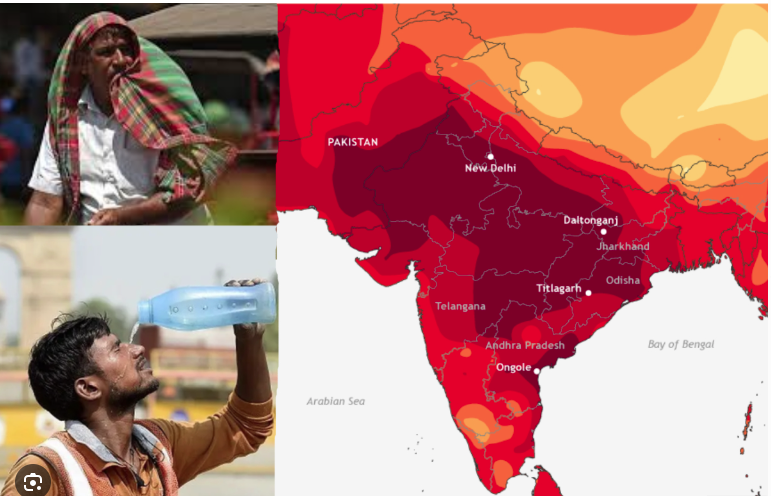
👉 Between 2019 and 2025, heat waves have caused over 6,500 confirmed deaths and millions of heat-related illnesses, making it one of the deadliest silent disasters in South Asia.
The year 2024 recorded the highest average temperature in India’s history, with several cities exceeding 48°C for consecutive days.
(Source: IMD Climate Summary 2025, NDMA Heatwave Report 2025, WHO-SEARO)
Heat is no longer a weather condition — it’s a killer.
📖 Why This Matters
Unlike floods or cyclones, heat waves don’t break buildings — they break bodies.
They attack silently, causing dehydration, heart strain, kidney failure, and stroke — especially in outdoor workers, children, and the elderly.
The poorest are hit the hardest: people without shade, air conditioning, or access to water.
Every degree rise in temperature now costs hundreds of lives and billions in productivity losses.
📊 Heat Wave Mortality Data (2019–2025)
| Year | Avg. Heatwave Days (India) | Reported Deaths | States Worst Affected | Notable Events |
|---|---|---|---|---|
| 2019 | 32 | 384 | Rajasthan, UP, MP | Early onset of summer heat |
| 2020 | 25 | 232 | Telangana, Odisha | Data underreported (COVID lockdown) |
| 2021 | 27 | 311 | Delhi, Gujarat, Punjab | Record April heat spell |
| 2022 | 36 | 550 | Bihar, UP, Rajasthan | March–April hottest in 122 years |
| 2023 | 40 | 815 | Delhi NCR, Maharashtra | 44°C+ sustained in 15 cities |
| 2024 | 45+ | 1,205 | Rajasthan, UP, Gujarat, Telangana | Hottest summer in Indian history |
| 2025 (Till Aug) | 28 | 380* | Gujarat, Odisha, Jharkhand | Increasing pre-monsoon heat spikes |
(Source: NDMA & IMD Climate Bulletins 2019–2025)
📈 Trend:
Average heatwave duration ↑ by 45% since 2010.
Fatalities ↑ nearly 3x in last five years.
🧠 Why Heat Waves Are Getting Deadlier
- Climate Change – Rising global mean temperature, erratic rainfall.
- Urban Heat Islands – Concrete, glass, and asphalt trap heat in cities.
- Deforestation & Land Degradation – No natural cooling by trees.
- Unsustainable Work Hours – Laborers, farmers, and street vendors exposed for long periods.
- Poor Preparedness – Only 17 states have operational Heat Action Plans.
📊 Mortality Patterns by Region
| Region | % of Total Deaths (2019–2025) | Primary Cause |
|---|---|---|
| North India (UP, Rajasthan, Delhi) | 40% | Direct sun exposure & dehydration |
| Central India (MP, Chhattisgarh, Vidarbha) | 25% | Outdoor labor & crop loss |
| Western India (Gujarat, Maharashtra) | 20% | Urban heat islands |
| Eastern India (Bihar, Jharkhand, Odisha) | 10% | Power cuts, poor healthcare access |
| South India (Telangana, Andhra, Tamil Nadu) | 5% | High humidity, heat stress |
📊 Health Impact Snapshot
- Heat-related hospitalizations (2019–2025): ~12 million
- Productivity loss: ₹15,000 crore annually (ILO, 2024)
- Rural workers at risk: 70% of outdoor labor force
- Children & elderly: 2x higher fatality rate in heat emergencies
- Projected 2030 impact: 3–4x rise in heat mortality if no adaptation measures adopted
🧩 How Heat Kills
- Heat Cramps → Heat Exhaustion → Heat Stroke
– Progresses rapidly within 1–2 hours of exposure. - Internal organ failure due to dehydration & electrolyte imbalance.
- Silent deaths during sleep in unventilated rooms or tin-roof homes.
🛡 Survival Lessons for Citizens
✅ Hydrate constantly: 3–4 liters/day; use ORS or coconut water.
✅ Avoid outdoor work 12–4 PM; reschedule tasks to mornings/evenings.
✅ Wear light cotton clothes and cover your head.
✅ Rest under shade every 30 minutes if working outside.
✅ If dizziness, confusion, or collapse — call 108/112 immediately.
✅ Community watch: check on elderly, outdoor workers, and children.
📢 Systemic Lessons
India must:
- Declare heat waves a notifiable disaster under the Disaster Management Act.
- Make Heat Action Plans mandatory in all states and ULBs.
- Build cooling centers and water kiosks in every high-risk district.
- Redesign city infrastructure — more trees, reflective roofs, ventilated buildings.
- Train health workers & volunteers for heat illness recognition and first aid.
- Integrate real-time heat alerts with NDMA & IMD apps for citizens.
📣 Call to Action
🚨 Heat is not “just summer.” It’s a growing killer fueled by our own neglect.
👉 Stay hydrated. Protect others. Support local cooling measures.
Because prevention is the only cure when the planet itself has a fever.
📎 References
- India Meteorological Department (IMD) Climate Reports 2019–2025
- National Disaster Management Authority (NDMA) Annual Heat Impact Reports
- WHO-SEARO “Climate Health in Asia” Report 2024
- International Labour Organization (ILO) – India Heat Stress Assessment 2024
- NITI Aayog “Urban Climate Vulnerability Review,” 2025
📌 Tags
#HeatwaveAwareness #ClimateHealth #HowToSurvive #VFFIndia #EveryLifeMatters #StayCoolStayAlive
🔚 Closing Line
Heat waves don’t just raise temperatures — they lower our resilience.
This is why we built HowToSurvive.in — to protect every life from disasters we can predict, prevent, and prepare for.
Common unsafe practices
- Relying on equipment without a hazard assessment
- Blocking or compromising escape routes
- Delaying the alarm or emergency call
- Attempting a response beyond training or safe conditions
- Re-entering before authorised clearance
- Treating a checklist as a substitute for competent inspection