⚔️ HowToSurvive War & Conflict?
What needs attention
- The article topic must be linked to the actual occupancy and hazard
- Prevention and early warning provide more safety margin than last-second intervention
- Equipment is effective only when correctly selected, accessible and maintained
- People need short practised actions and a clear decision to stop and escape
- Children, visitors and people needing assistance require explicit planning
- Records, drills and inspections matter only when defects are corrected
Controls that reduce risk
- Complete a task- and site-specific hazard assessment
- Verify applicable Indian, state and local requirements
- Use competent inspection for installed systems and specialist hazards
- Keep alarms, exits, signs and emergency access usable
- Train intended users and practise evacuation
- Record defects with an owner and completion date
- Review the plan after changes, incidents or near misses
Understand and apply the guidance
“अहिंसा परमो धर्मः।”
Non-violence is one of humanity’s highest values.
But history also teaches that when conflict begins, survival, preparedness, and humanity become critical.
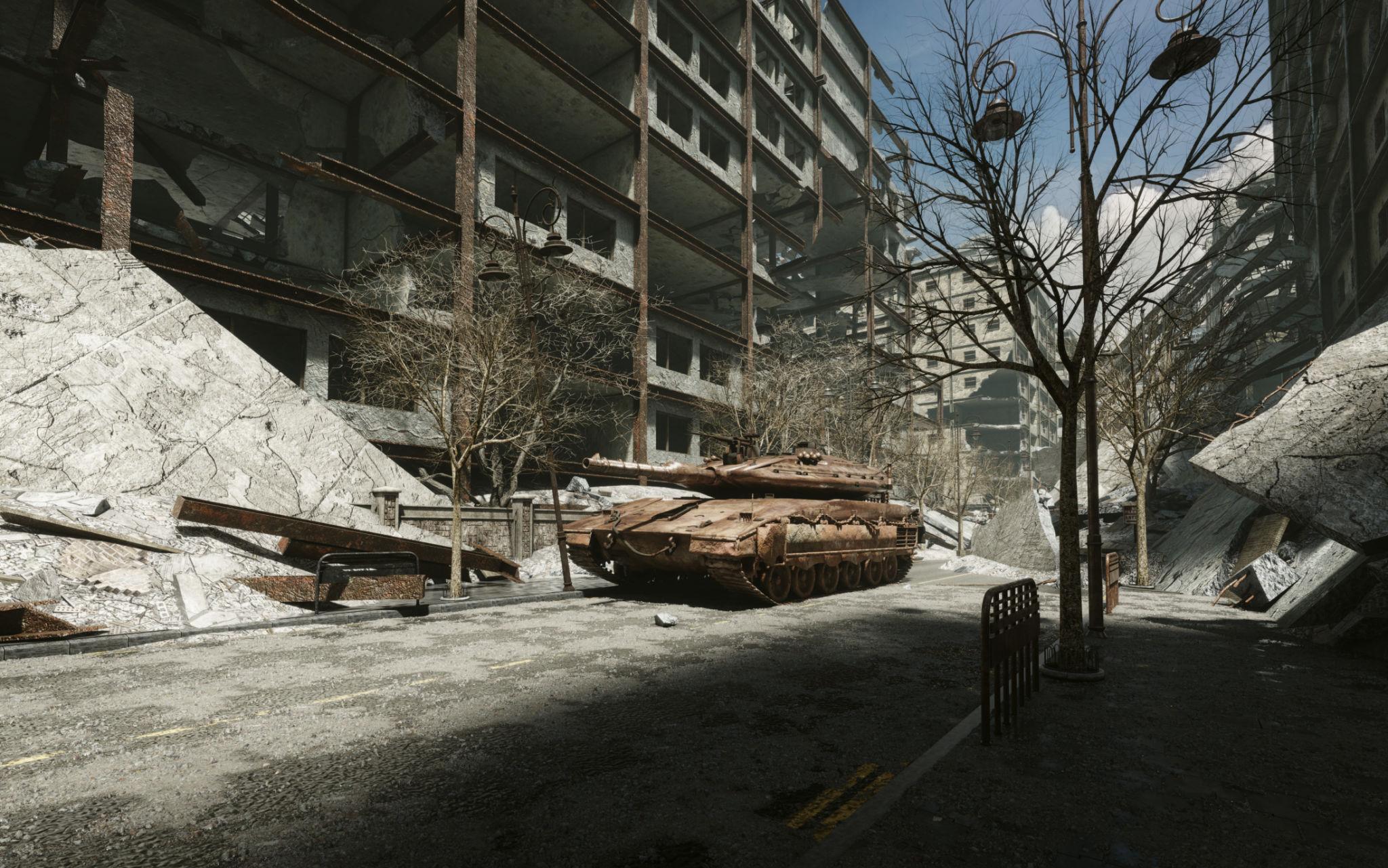
War is not only fought on borders.
Its impact reaches:
- Homes
- Families
- Economies
- Health systems
- Food supply
- Mental health
- Future generations
Even people far from battlefields suffer through:
- Fear
- Displacement
- Inflation
- Shortages
- Propaganda
- Uncertainty
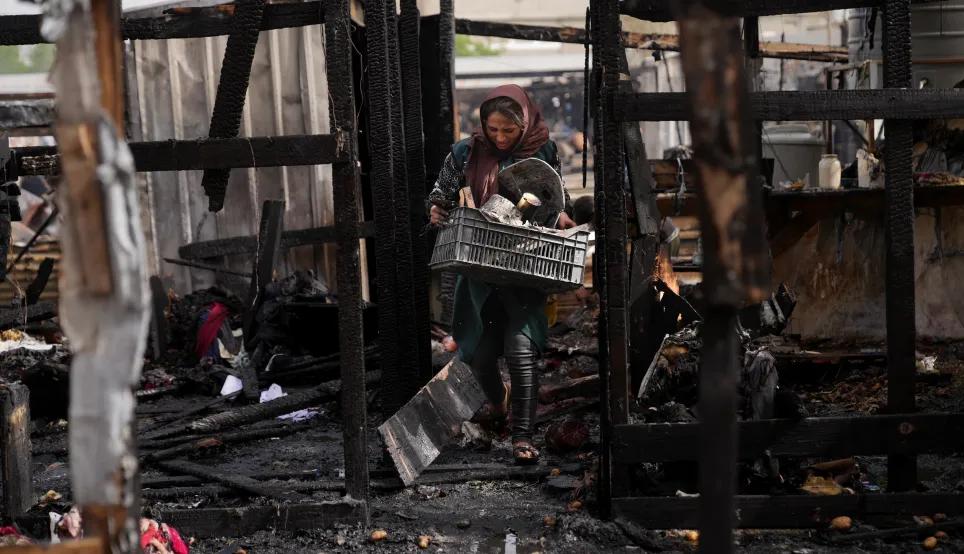
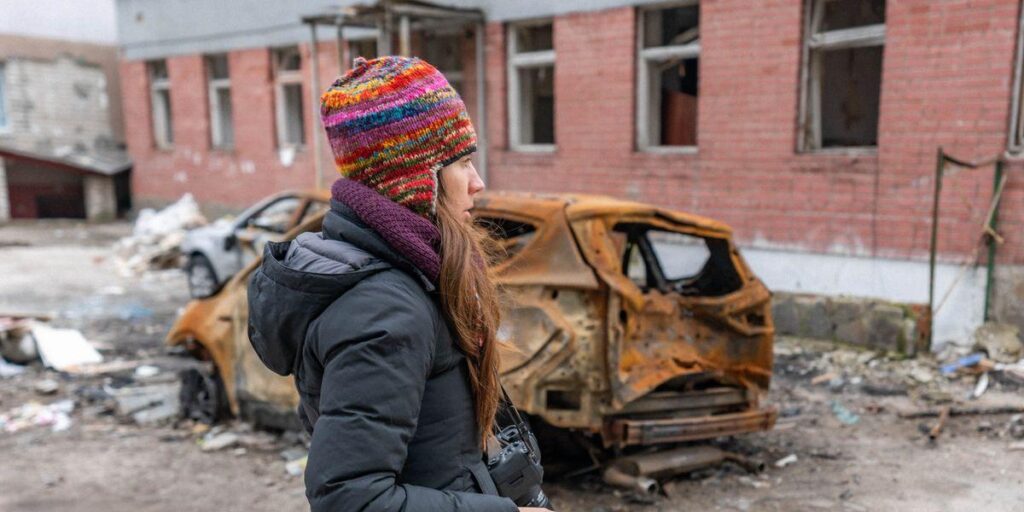
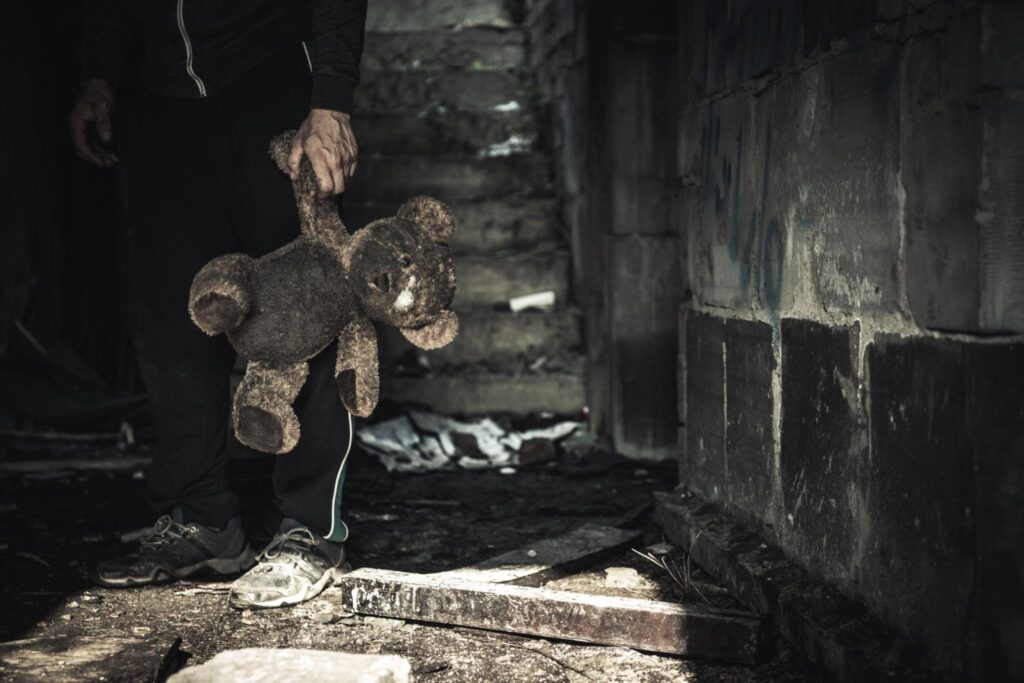
⚠️ Civilians Often Become the Biggest Victims
In war and conflict, ordinary people suffer the most.
Children lose childhood.
Families lose homes.
Societies lose trust.
That is why survival during conflict is not only military responsibility.
It is also:
- Civilian preparedness
- Community cooperation
- Human responsibility
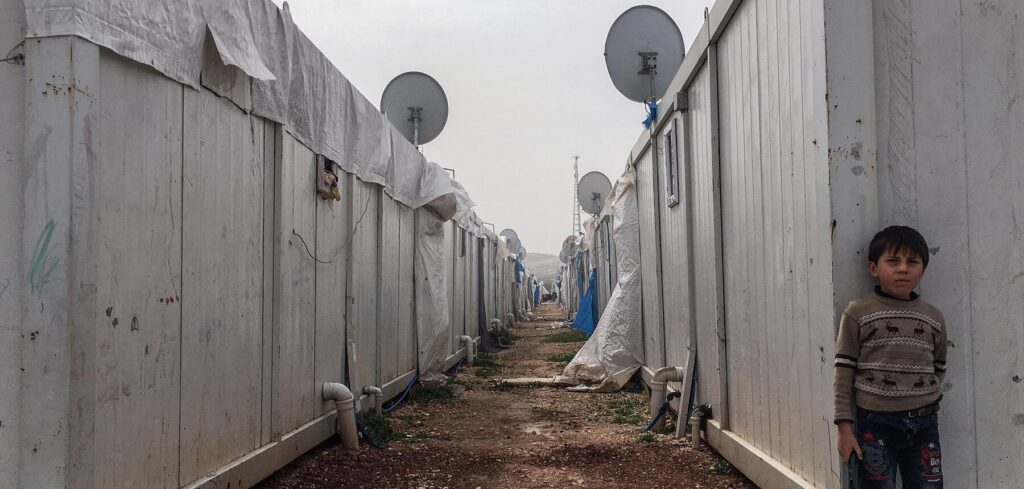
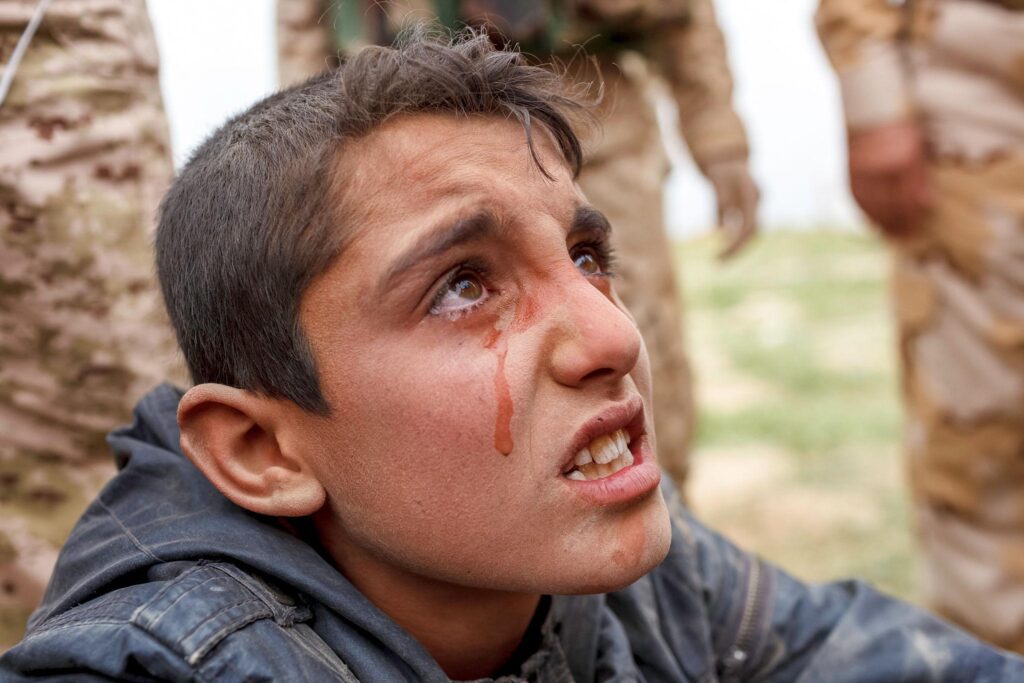
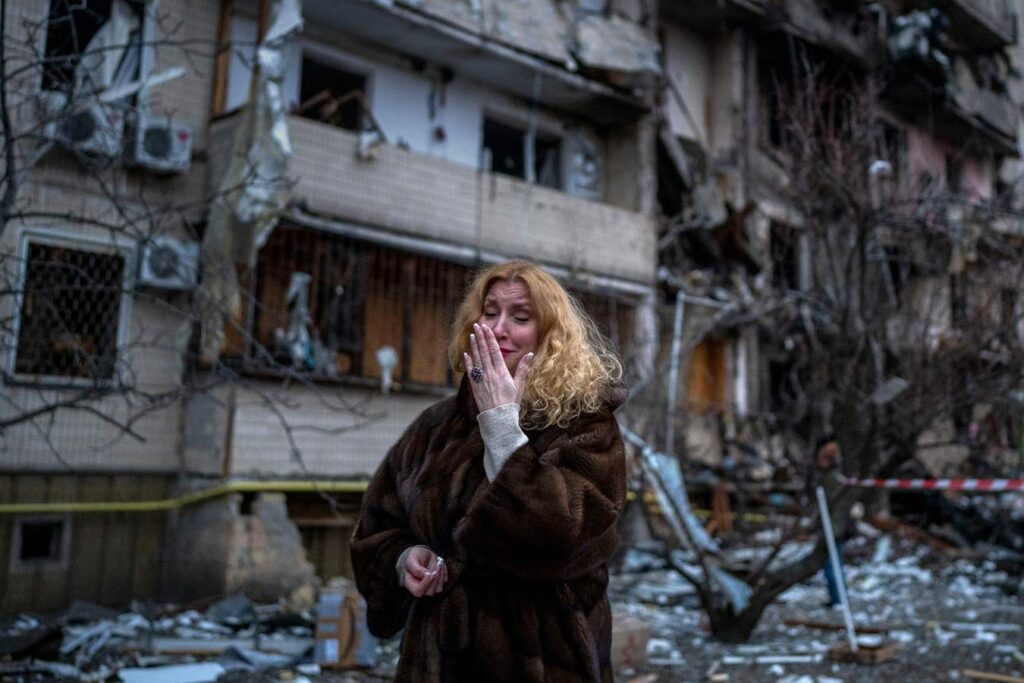
🛡️ Basic Survival Awareness During Conflict
✔ Stay Informed Through Trusted Sources
Rumors create panic and dangerous decisions.
✔ Avoid Fear-Based Reactions
Panic weakens survival ability.
✔ Know Emergency Shelters & Evacuation Routes
Preparation saves critical time.
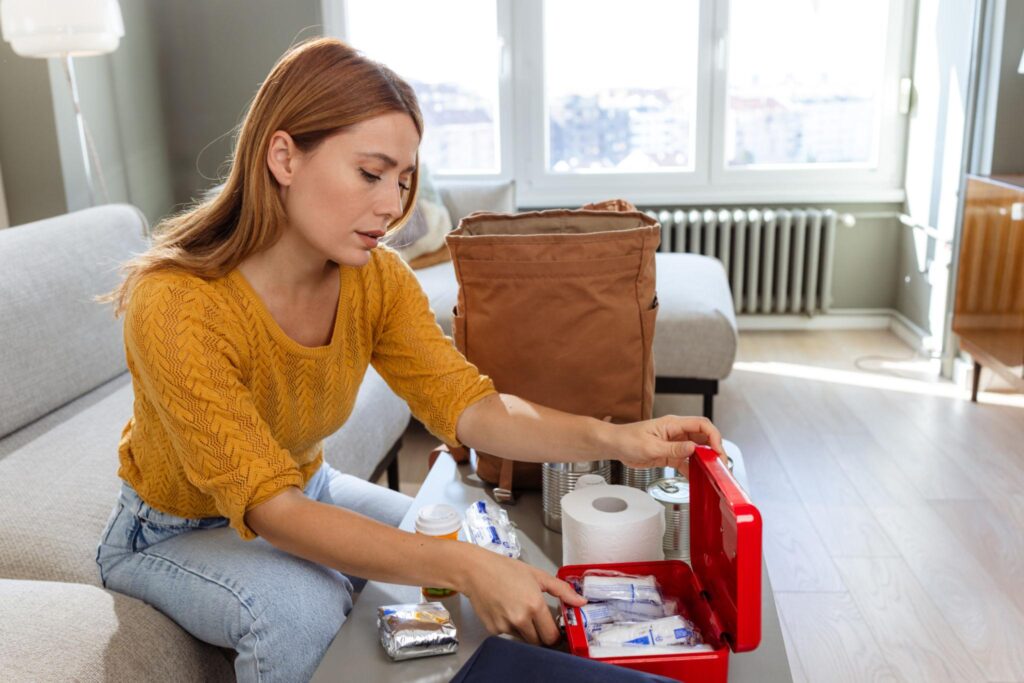
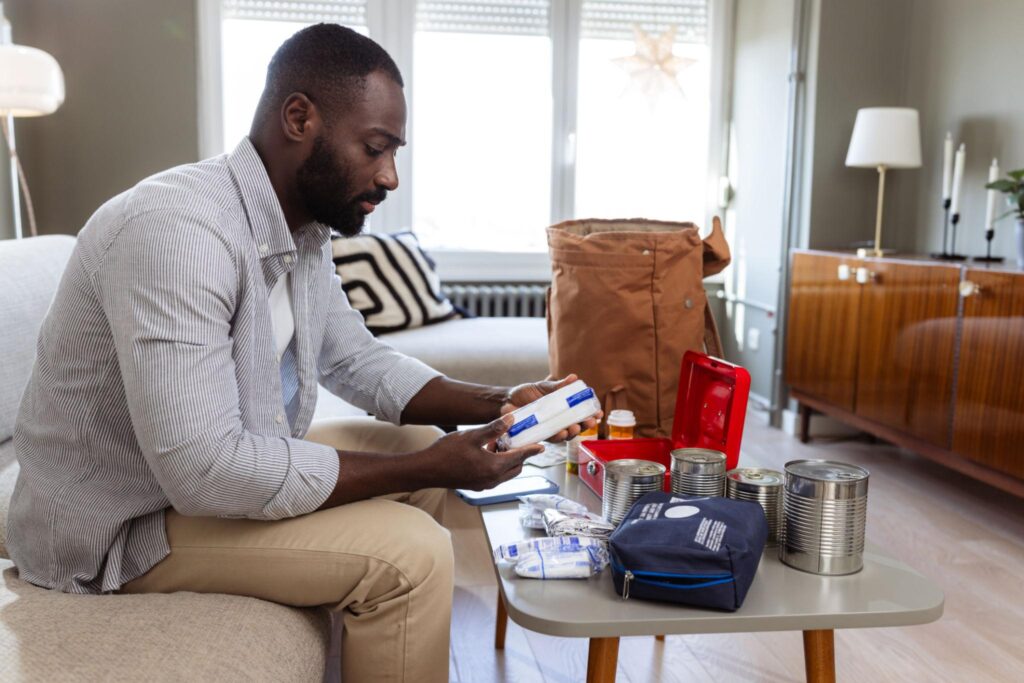
✔ Keep Essential Supplies Ready
Maintain:
- Drinking water
- Dry food
- Medicines
- Flashlight
- Power bank
- First-aid kit
- Emergency cash
✔ Protect Identity & Communication Documents
Store:
- IDs
- Medical records
- Important contacts
- Emergency information
✔ Maintain Emergency Communication
Families should know:
- Meeting points
- Emergency plans
- Backup communication methods

🚨 During Dangerous Situations
✔ Avoid Crowded or Targeted Areas
High-density areas become higher-risk zones.
✔ Follow Official Advisories
Emergency instructions exist to reduce casualties.
✔ Conserve Resources
Protect:
- Food
- Water
- Fuel
- Batteries
- Medical supplies
✔ Never Spread Unverified Information
False information during conflict can become as dangerous as weapons.
Rumors create chaos faster than explosions.
🧠 Mental Survival Matters Too
War affects not only buildings and borders.
It also affects:
- Minds
- Emotions
- Communities
- Human trust
Continuous fear, anger, uncertainty, and grief can emotionally break people.
That is why:
- Families
- Communities
- Volunteers
- Humanitarian support systems
…become essential during crisis.
⚖️ Courage Must Stay Connected to Compassion
Indian philosophy has always spoken about balance between courage and humanity.
“धर्मो रक्षति रक्षितः।”
When we protect what is right, it protects society in return.
Conflict repeatedly teaches humanity an important truth:
Technology may build powerful nations…
but without humanity, peace cannot survive.
🌍 Every War Eventually Teaches the Same Lesson
Every conflict reminds the world about the value of:
- Dialogue
- Cooperation
- Preparedness
- Human life
No victory can fully replace lost human lives.
🤝 Humanity Becomes Survival Infrastructure
During war and disaster:
- Neighbours help each other
- Volunteers rescue strangers
- Doctors work beyond limits
- Ordinary people become protectors
Human survival has always depended on cooperation.
📖 Real Survival During Conflict
HowToSurvive war and conflict means:
- Stay calm
- Stay informed
- Protect life first
- Support each other
- Never let fear remove humanity from within
Because survival is not only winning battles.
Sometimes survival means protecting humanity even during the darkest situations.
⚔️ HowToSurvive.in
Learn. Prevent. Protect. Survive.
Common unsafe practices
- Relying on equipment without a hazard assessment
- Blocking or compromising escape routes
- Delaying the alarm or emergency call
- Attempting a response beyond training or safe conditions
- Re-entering before authorised clearance
- Treating a checklist as a substitute for competent inspection