
⚖️ Legal Obligations of Bystanders in Road Accidents – The Good Samaritan Law (India 2016–2025)
What needs attention
- The article topic must be linked to the actual occupancy and hazard
- Prevention and early warning provide more safety margin than last-second intervention
- Equipment is effective only when correctly selected, accessible and maintained
- People need short practised actions and a clear decision to stop and escape
- Children, visitors and people needing assistance require explicit planning
- Records, drills and inspections matter only when defects are corrected
Controls that reduce risk
- Complete a task- and site-specific hazard assessment
- Verify applicable Indian, state and local requirements
- Use competent inspection for installed systems and specialist hazards
- Keep alarms, exits, signs and emergency access usable
- Train intended users and practise evacuation
- Record defects with an owner and completion date
- Review the plan after changes, incidents or near misses
Understand and apply the guidance
🔴 Truth Drop
Every year, 1.6 lakh Indians die on roads, and studies show 50% could have survived if given medical help within the Golden Hour.
(Source: MoRTH & AIIMS Trauma Centre Report, 2025)
Yet bystanders hesitate — fearing police harassment, hospital questioning, or legal trouble.
“In India, people still watch the dying — not because they don’t care, but because they’re scared.”
📖 Why This Matters
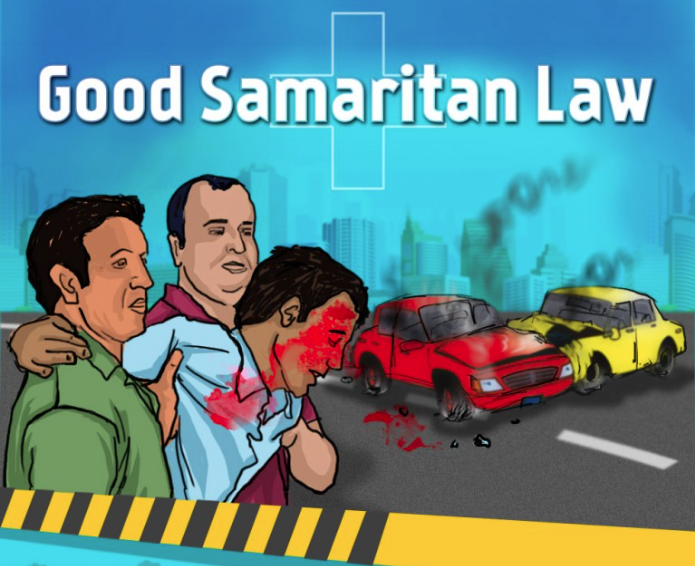
To stop preventable deaths, the Supreme Court and Government of India enacted the Good Samaritan Law (2016) — protecting anyone who helps accident victims from legal or procedural trouble.
But even today, awareness remains shockingly low — only 26% of citizens know about their rights under this law.
(Source: SaveLIFE Foundation, 2024)
📊 Awareness & Implementation Data
| Year | Awareness Among Citizens | Hospitals Following Guidelines | Police Compliance (%) | Survivability of Victims Helped by Bystanders |
|---|---|---|---|---|
| 2019 | 21% | 36% | 52% | 58% |
| 2020 | 23% | 41% | 60% | 61% |
| 2021 | 25% | 48% | 63% | 64% |
| 2022 | 26% | 55% | 69% | 66% |
| 2023 | 26% | 59% | 71% | 69% |
| 2024–25 | 28% | 63% | 75% | 70% |
(Sources: SaveLIFE Foundation, MoRTH, NDMA 2025)
📈 Trend Summary:
- Awareness is improving — but still below 30%.
- Hospitals and police slowly aligning with protection clauses.
- Victim survival increases by up to 40% when bystanders intervene early.
⚙️ What the Good Samaritan Law Says
✅ You can help without fear: No criminal or civil liability if you help a victim.
✅ No police questioning required: You can leave after giving your name and contact (optional).
✅ Hospitals must treat immediately: No need for payment or paperwork before care.
✅ Police cannot detain your vehicle used for transporting victims.
✅ Court cannot force repeated appearances — statement can be given voluntarily, once.
✅ Hospitals & police must display “Good Samaritan Rights” publicly.
🧠 Case Study: Bengaluru Bystander Saves Lives (2023)
- Incident: Two bikers injured in a collision.
- Bystander: Local auto driver took victims to hospital.
- Outcome: Both survived.
- Impact: Hospital waived initial payment; police appreciated citizen under state policy.
- Lesson: The law works — when people act.
⚠️ Why People Still Hesitate
1️⃣ Lack of awareness about legal protection.
2️⃣ Fear of police or court involvement.
3️⃣ Hospitals demanding money or documents.
4️⃣ Social apathy — “someone else will help.”
5️⃣ No recognition or incentive for helpers.
💡 What You Can Do Legally
✅ Call 108 / 112 immediately — stay on scene until help arrives.
✅ If safe, move victim to side of road, stop bleeding, or cover burns.
✅ Use your phone camera only to record number plates or scene evidence, not the victim.
✅ Ask for ambulance dispatch ID — helps ensure accountability.
✅ Inform police, but you are not bound to file FIR or appear in court.
🧭 Systemic Reforms Needed
✅ Integrate Good Samaritan training into driving license process.
✅ Mandate awareness boards at every hospital, police station, and toll plaza.
✅ Include Good Samaritan Day (Oct 4) in school civic education.
✅ Provide state-level rewards for lifesaving interventions.
✅ Launch national media campaign under NDMA & MoRTH.
📢 Systemic Lessons
A law only saves lives when people know it exists.
The Good Samaritan framework is one of India’s most compassionate legal reforms — but it must move from courtrooms to crossroads.
📣 Call to Action
🚨 If you see an accident — stop, help, call 108.
👉 You are protected, appreciated, and legally safe.
A few minutes of your courage can give someone decades of life.
📎 References
- Supreme Court of India (W.P. Civil 235 of 2012) – SaveLIFE Foundation vs. Union of India
- MoRTH “Road Safety Annual Report,” 2025
- NDMA “Community Response Guidelines,” 2024
- SaveLIFE Foundation “Good Samaritan Awareness Survey,” 2024
🔚 Closing Line
Helping the injured is not charity — it’s humanity made legal.
This is why we built HowToSurvive.in — to make awareness stronger than fear, and action faster than apathy.
Common unsafe practices
- Relying on equipment without a hazard assessment
- Blocking or compromising escape routes
- Delaying the alarm or emergency call
- Attempting a response beyond training or safe conditions
- Re-entering before authorised clearance
- Treating a checklist as a substitute for competent inspection