❤️ HowToSurvive Heart Attack?
What needs attention
- The article topic must be linked to the actual occupancy and hazard
- Prevention and early warning provide more safety margin than last-second intervention
- Equipment is effective only when correctly selected, accessible and maintained
- People need short practised actions and a clear decision to stop and escape
- Children, visitors and people needing assistance require explicit planning
- Records, drills and inspections matter only when defects are corrected
Controls that reduce risk
- Complete a task- and site-specific hazard assessment
- Verify applicable Indian, state and local requirements
- Use competent inspection for installed systems and specialist hazards
- Keep alarms, exits, signs and emergency access usable
- Train intended users and practise evacuation
- Record defects with an owner and completion date
- Review the plan after changes, incidents or near misses
Understand and apply the guidance
“आरोग्यं परमं भाग्यं।”
Health is the greatest wealth.
Modern life made people busy:
- Earning
- Building
- Competing
- Chasing success
- Surviving systems



But in that race, many forgot the most important system of all —
the human body itself.
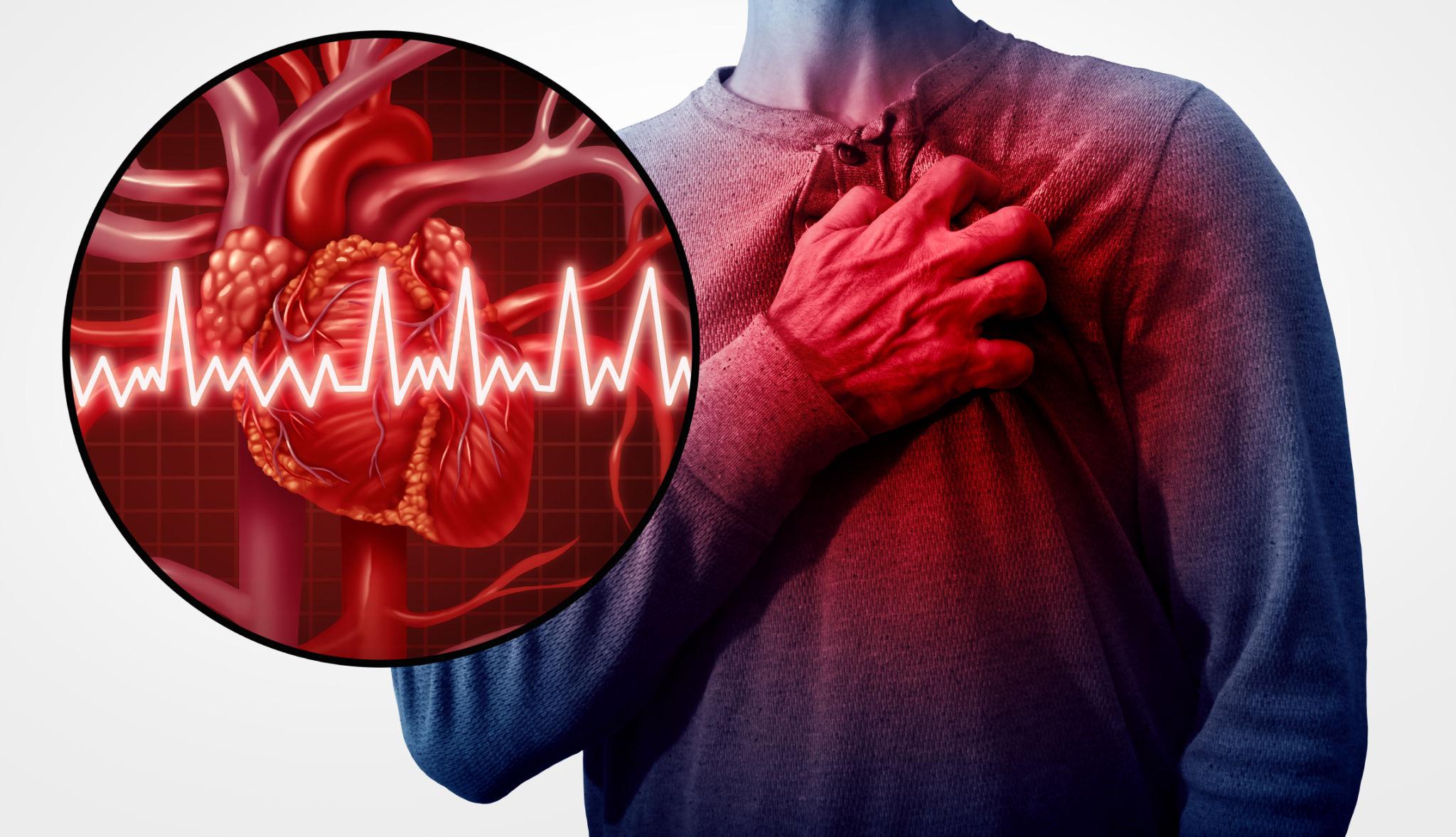
Heart attack is not only a medical emergency.
It is also a warning about:
- Stress
- Lifestyle
- Food habits
- Sleep deprivation
- Emotional burden
- Pollution
- Addiction
- And ignored health
⚠️ Heart Attacks Are No Longer Only Old Age Problems
Today, cardiac emergencies affect:
- Young professionals
- Students
- Athletes
- Working adults
- Even people who “look healthy”
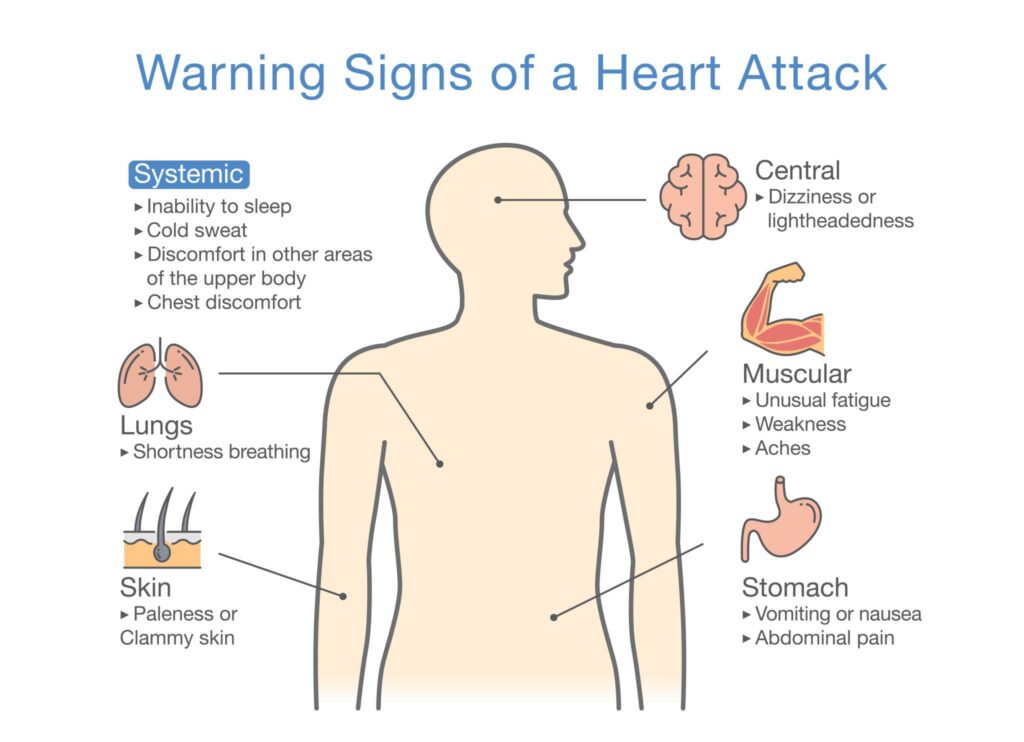
The body often gives warning signs before collapse.
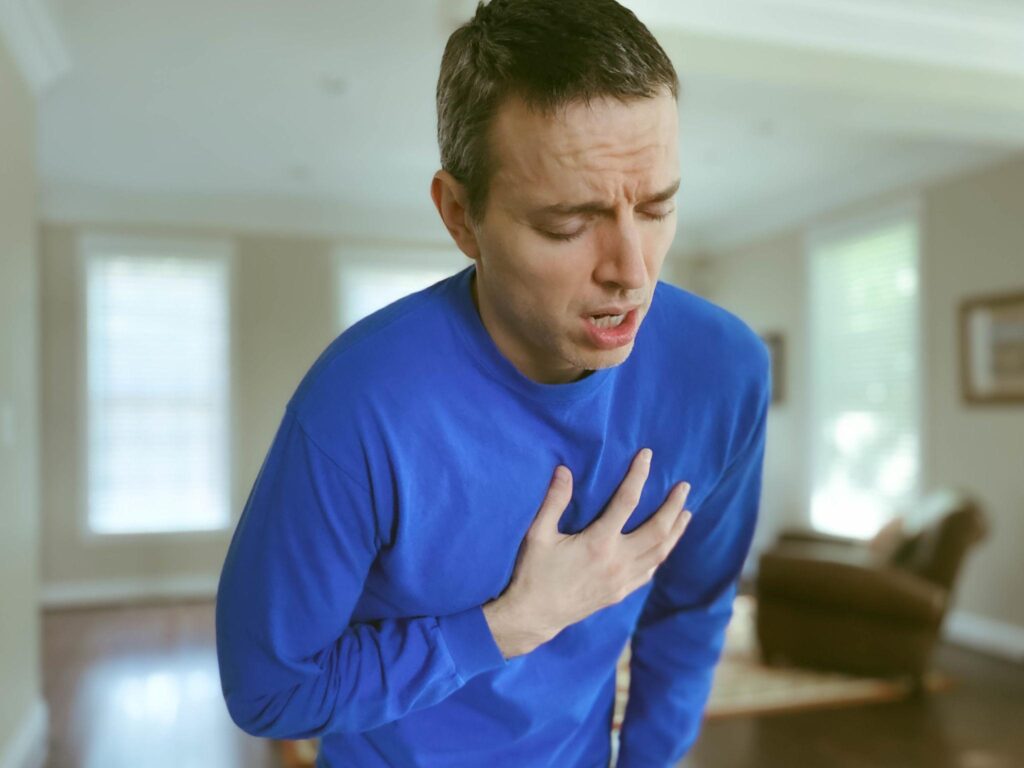
🚨 Warning Signs You Should Never Ignore
- Chest pain or pressure
- Heaviness in chest
- Excessive sweating
- Breathlessness
- Pain in jaw, shoulder, neck, or arm
- Dizziness
- Sudden fatigue
- Anxiety-like discomfort
But many people ignore these signs saying:
- “थोड़ी गैस होगी…”
- “थकान होगी…”
- “बाद में दिखा लेंगे…”
And sometimes…
“बाद में” never comes.
🕒 In Heart Emergencies, Time Is Life
Every minute matters.
The faster help reaches, the greater the survival chance.
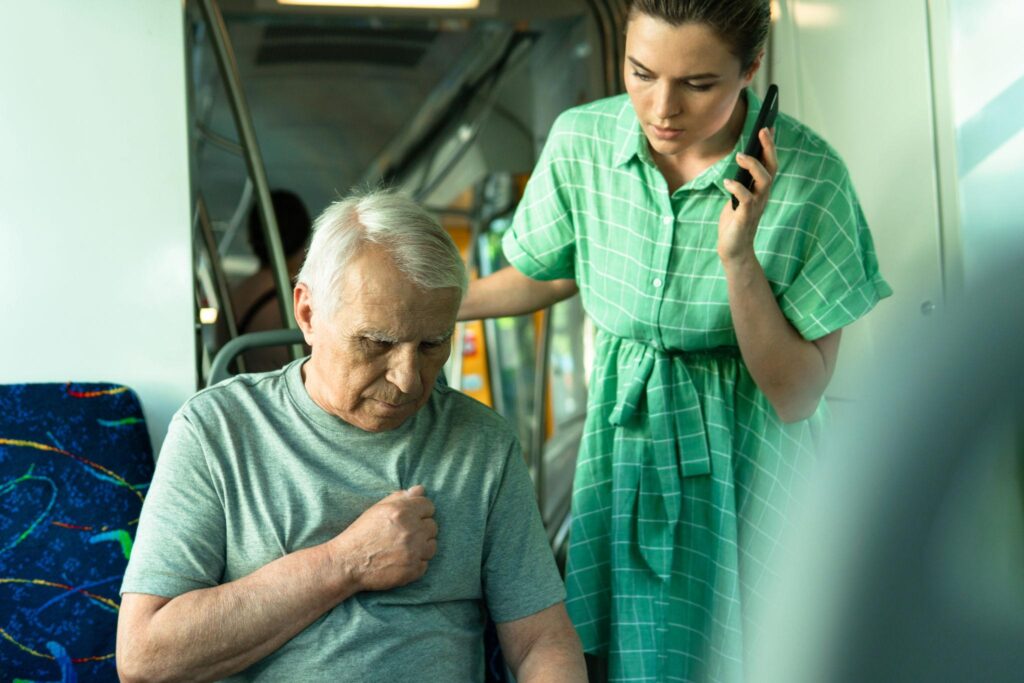


❤️ What To Do During a Heart Attack
✔ Recognize Symptoms Early
Awareness saves critical minutes.
✔ Call Emergency Services Immediately
Call:
- 108
- 112
- Nearby emergency medical help
✔ Keep the Person Calm
Panic increases stress on the heart.
✔ Loosen Tight Clothing
Help breathing become easier.
✔ Avoid Crowd Panic
Give space, air, and calm surroundings.
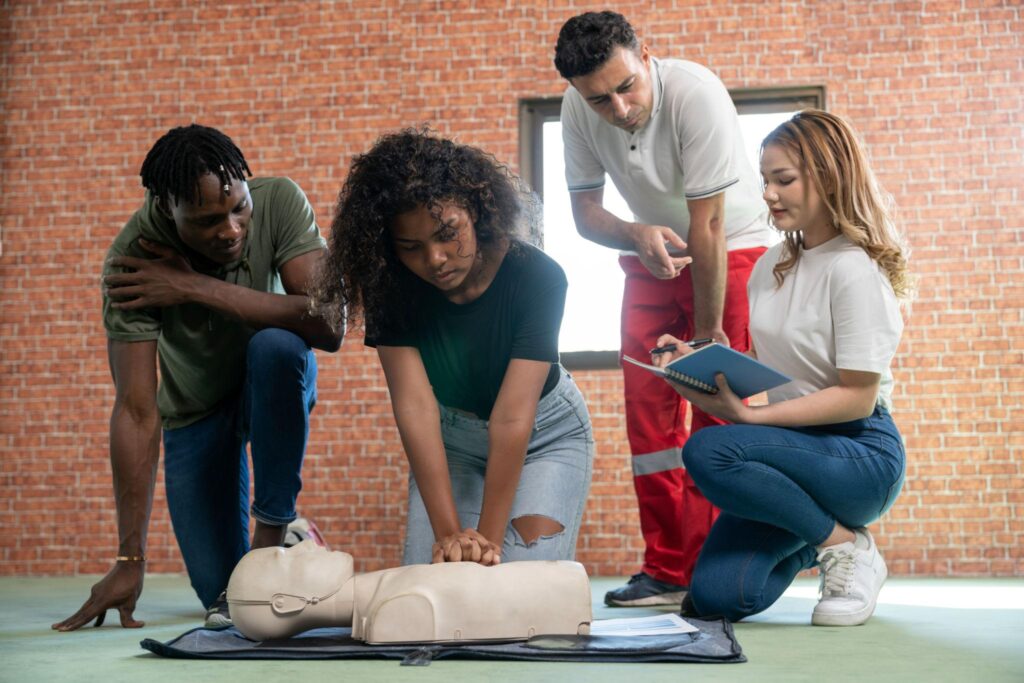
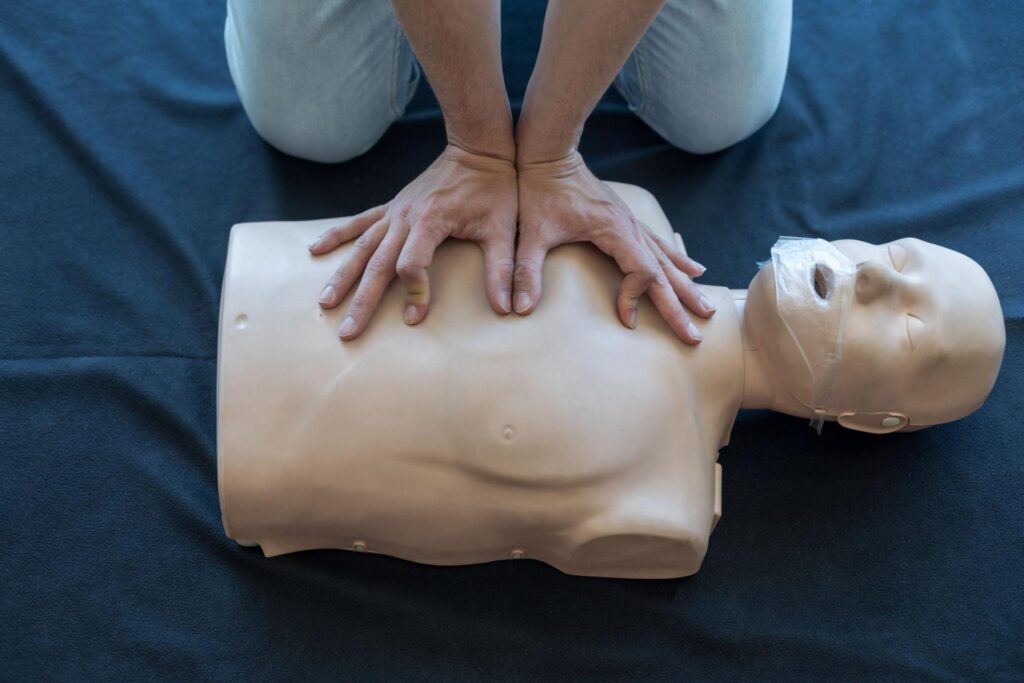
✔ Start CPR If Needed
If the person becomes unconscious and stops breathing:
- Begin CPR immediately if trained
- Continue until medical help arrives
Many lives can be saved if people around know basic CPR.

🧠 The Heart Does Not Fail in One Day
Years of:
- Stress
- Smoking
- Alcohol
- Lack of sleep
- Poor diet
- No exercise
- Emotional suppression
- Constant pressure
…slowly damage the body silently.
Modern society normalized exhaustion.
People proudly say:
- “I sleep only 4 hours.”
- “No time to eat.”
- “Too busy.”
- “Stress is normal.”
But the body keeps record of everything.



⚖️ Balance Is Survival
“युक्ताहारविहारस्य…” — भगवद्गीता
Balance in food, activity, rest, and life is essential for well-being.
Heart survival is not only hospital treatment.
It is daily discipline.
🌿 What Truly Protects the Heart
Sometimes the strongest medicine is also:
- Peace
- Healthy relationships
- Purpose
- Nature
- Rest
- Emotional balance
A healthy society should not only build hospitals.
It should also build:
- Awareness
- Preventive culture
- Emotional support systems
- Balanced lifestyles



📖 Survival Is Prevention
Survival is not only restarting a stopped heart.
Survival is learning:
- how not to destroy it slowly,
- how to listen to the body,
- and how to respect health before emergency forces us to.
Every heartbeat is life itself.
Protect it before crisis teaches its value.
❤️ HowToSurvive.in
Learn. Prevent. Protect. Survive.
Common unsafe practices
- Relying on equipment without a hazard assessment
- Blocking or compromising escape routes
- Delaying the alarm or emergency call
- Attempting a response beyond training or safe conditions
- Re-entering before authorised clearance
- Treating a checklist as a substitute for competent inspection