
🌊 HowToSurvive Flood?

What needs attention
- The article topic must be linked to the actual occupancy and hazard
- Prevention and early warning provide more safety margin than last-second intervention
- Equipment is effective only when correctly selected, accessible and maintained
- People need short practised actions and a clear decision to stop and escape
- Children, visitors and people needing assistance require explicit planning
- Records, drills and inspections matter only when defects are corrected
Controls that reduce risk
- Complete a task- and site-specific hazard assessment
- Verify applicable Indian, state and local requirements
- Use competent inspection for installed systems and specialist hazards
- Keep alarms, exits, signs and emergency access usable
- Train intended users and practise evacuation
- Record defects with an owner and completion date
- Review the plan after changes, incidents or near misses
Understand and apply the guidance
“माता भूमिः पुत्रोऽहं पृथिव्याः।” — अथर्ववेद
Nature is not separate from us. We are children of the Earth itself.

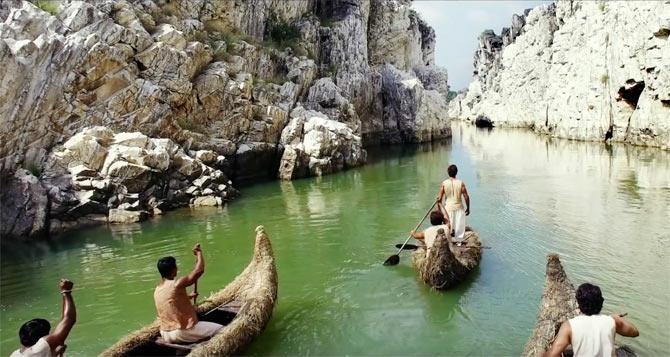
Flood is not only water.
It is panic, isolation, contamination, electricity risk, infrastructure collapse, hunger,
displacement, and survival uncertainty.
For centuries, rivers gave civilization life.
Cities, farming, trade, culture, and human settlements were built around water. But
when humans started blocking natural flow, destroying forests, encroaching riverbeds,
overbuilding cities, and ignoring climate balance, water slowly stopped behaving like
servant and started responding like force.
Because water always finds its path.
🌧️ Floods Are Not Caused Only By Rain
Most flood disasters grow because of:
- Blocked drainage systems
- Illegal construction
- Poor urban planning
- Deforestation
- Climate imbalance
- Weak infrastructure
- Lack of preparedness
Nature usually gives warning before disaster.
Humans often ignore it.
🧠 Real Flood Survival Starts Before Flooding
People think flood survival begins when water enters the house.
Real flood survival starts much earlier.
Preparedness saves more lives than rescue.
🚨 During Flood – What To Do
✔ Stay Alert to Weather Warnings
Follow IMD alerts, local administration updates, and evacuation notices.
✔ Move Early to Safer Locations
Never wait for water to rise completely before leaving.
✔ Store Emergency Essentials Safely
Keep ready:
- Drinking water
- Dry food
- Medicines
- Torch
- Power bank
- First-aid kit
- Important documents in waterproof bags
✔ Switch Off Electricity
If water starts entering the house, disconnect power immediately if safe.
✔ Never Walk or Drive Through Moving Water
Even shallow flowing water can:
- Sweep vehicles away
- Knock humans down
- Hide deadly currents
✔ Stay Away from Electric Poles & Loose Wires
Floodwater can carry live electrical current invisibly.
✔ Help Vulnerable Lives First
Prioritize:
- Children
- Elderly
- Injured people
- Pregnant women
- Animals
⚠️ Water Is More Dangerous Than It Looks
One of the biggest mistakes people make is underestimating water.
Floodwater may look calm, but it can hide:
- Electric current
- Open manholes
- Sewage contamination
- Industrial chemicals
- Sharp debris
- Deep pits
- Snakes and displaced animals
- Fast undercurrents
Even small flowing water can become deadly.
🌱 Nature & Survival
“प्रकृति रक्षति रक्षिता।”
Nature protects those who protect nature.
Flood survival is not only about escaping water.
It is also about rebuilding:
- Homes
- Mental strength
- Livelihood
- Communities
- Trust
After every major flood, people lose more than property.
Many lose:
- Memories
- Documents
- Savings
- Emotional stability
- Years of hard work
That is why survival is not only physical.
It is also:
- Mental
- Emotional
- Social
- Systemic
🤝 Humanity Becomes the First Rescue System
In many disasters, before official help arrives:
- Fishermen rescue stranded families
- Neighbours share food and shelter
- Volunteers carry medicines
- Ordinary citizens become first responders
Humanity itself becomes the rescue system.
This is why awareness matters.
📖 Every Flood Teaches Something
Every flood teaches humanity to:
- Respect nature
- Prepare early
- Build responsibly
- Protect the environment
- Never ignore warning signs
Because survival is not controlling nature.
Survival is understanding its power before disaster begins.
🌊 HowToSurvive.in
Learn. Prevent. Protect. Survive.
Common unsafe practices
- Relying on equipment without a hazard assessment
- Blocking or compromising escape routes
- Delaying the alarm or emergency call
- Attempting a response beyond training or safe conditions
- Re-entering before authorised clearance
- Treating a checklist as a substitute for competent inspection