
🌊 India’s Most Flood-Prone States – Latest Data (2019–2025)
What needs attention
- The article topic must be linked to the actual occupancy and hazard
- Prevention and early warning provide more safety margin than last-second intervention
- Equipment is effective only when correctly selected, accessible and maintained
- People need short practised actions and a clear decision to stop and escape
- Children, visitors and people needing assistance require explicit planning
- Records, drills and inspections matter only when defects are corrected
Controls that reduce risk
- Complete a task- and site-specific hazard assessment
- Verify applicable Indian, state and local requirements
- Use competent inspection for installed systems and specialist hazards
- Keep alarms, exits, signs and emergency access usable
- Train intended users and practise evacuation
- Record defects with an owner and completion date
- Review the plan after changes, incidents or near misses
Understand and apply the guidance
🔴 Truth Drop
Every monsoon, more Indians die from floods than from any other natural disaster.
👉 Between 2019 and 2025, floods have affected over 7 crore people, destroyed millions of homes, and caused an estimated ₹2.5 lakh crore in losses.
(Source – NDMA, IMD, CWC Annual Flood Reports 2025)
Floods are no longer “natural” — they are a mix of climate change, unplanned construction, and broken drainage systems.
📖 Why This Matters
Floods don’t strike equally.
Certain states face repeated devastation every year because:
- Rivers overflow without embankment upgrades
- Urban areas choke on plastic-clogged drains
- Deforestation and encroachment erase natural water routes
The same regions keep drowning while the rest of India watches headlines and moves on.
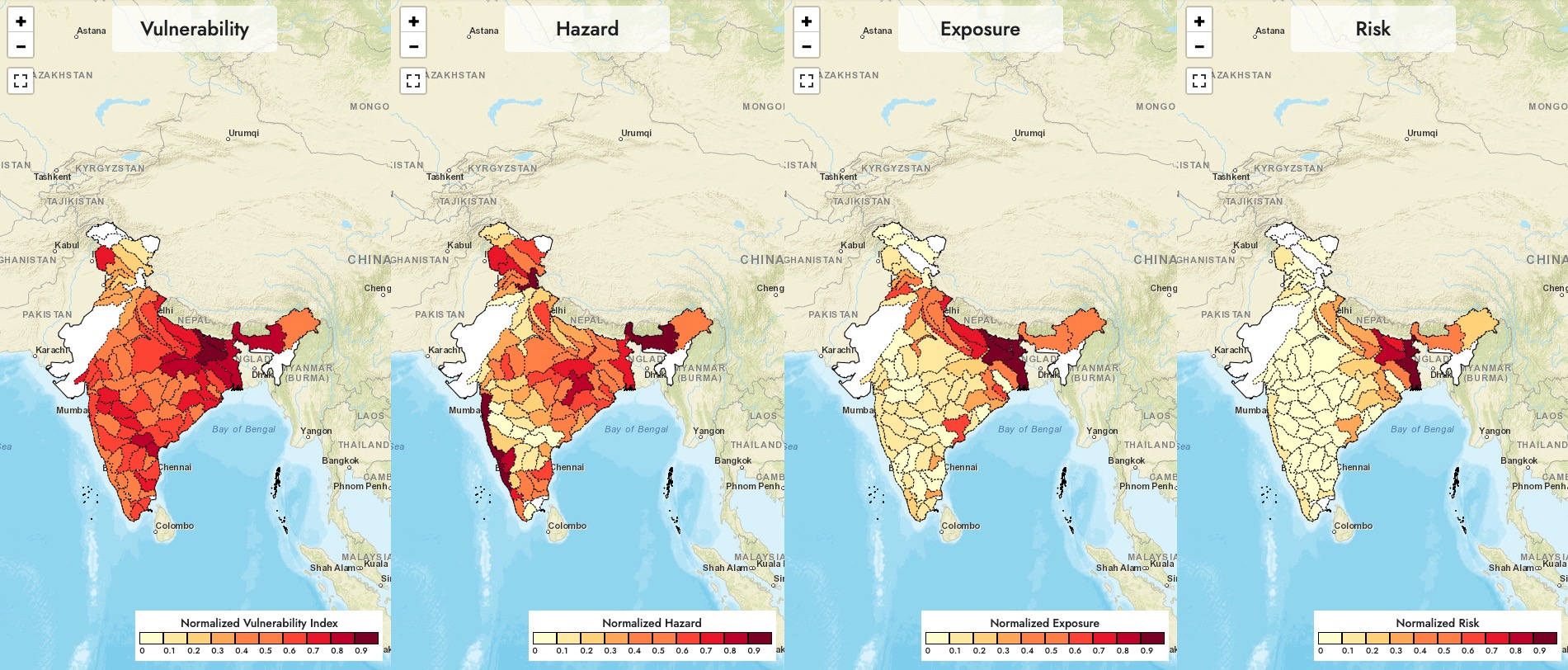
🗺️ Top 10 Flood-Prone States of India (2019 – 2025)
| Rank | State | % of Land Flood-Prone | Average People Affected per Year | Key Flood-Prone Rivers / Areas |
|---|---|---|---|---|
| 1️⃣ | Bihar | 73% | 1.6 crore | Kosi, Gandak, Bagmati – North Bihar plains |
| 2️⃣ | Assam | 40% | 70–80 lakh | Brahmaputra and tributaries |
| 3️⃣ | Uttar Pradesh | 28% | 50 lakh | Ghaghra, Rapti, Sharda, Ganga belt |
| 4️⃣ | West Bengal | 27% | 45 lakh | Ganga delta, Sundarbans |
| 5️⃣ | Odisha | 24% | 30 lakh | Mahanadi basin, coastal districts |
| 6️⃣ | Maharashtra | 15% | 25 lakh | Konkan coast, Krishna & Godavari basins |
| 7️⃣ | Kerala | 14% | 20 lakh | Periyar, Pamba – urban flash floods |
| 8️⃣ | Gujarat | 12% | 15 lakh | Sabarmati, Tapi, Saurashtra |
| 9️⃣ | Madhya Pradesh | 10% | 12 lakh | Chambal, Narmada |
| 🔟 | Jharkhand | 9% | 10 lakh | Damodar, Subarnarekha |
(Source – Central Water Commission Flood Atlas 2025; NDMA Annual Review 2024)
📊 Data Highlights (2019–2025)
- Total Lives Lost: ≈ 9,800
- Total People Affected: ≈ 7 crore
- Houses Damaged: > 25 lakh
- Crops Lost: > 9 million hectares
- Economic Loss: ₹2.5 lakh crore (≈ $30 billion)
⚠️ Urban floods rising fast: Chennai (2021 & 2023), Delhi (2023), Bengaluru (2022) show how cities are becoming as vulnerable as villages.
🧠 Why Flood Risk Is Increasing
- Climate Change = Erratic Rainfall
Heavy downpours in short bursts overwhelm drainage. - Urban Encroachment
Lakes and wetlands filled for construction = nowhere for water to go. - Poor Drainage & Waste Disposal
Plastic blocks storm water flow every monsoon. - Weak Infrastructure
Aging dams, embankments not maintained in decades. - Deforestation in Catchment Areas
Soil erosion and run-off increase river swell.
🛡 Survival Lessons for Citizens
✅ Know if you live in a flood-prone zone (CWC/IMD maps).
✅ Keep a 72-hour Emergency Kit — water, dry food, torch, first aid, power bank.
✅ Turn off electricity main when water enters house.
✅ Move to higher floors or rooftops — avoid basements.
✅ Store documents in waterproof bags.
✅ Download weather alerts (IMD or CWC Flood App).
✅ Never drive or walk through flooded roads — just 6 inches of water can sweep you away.
📢 Systemic Lessons
India must:
- Build flood-resilient infrastructure & urban drainage systems.
- Enforce zoning laws — no construction in riverbeds or flood plains.
- Strengthen forecasting & early warning systems (IMD + CWC integration).
- Adopt community-based preparedness models like VFF India’s volunteer network.
- Create state-level flood resilience funds with transparent usage.
📣 Call to Action
🚨 Floods don’t wait for news alerts — they begin with our neglect.
👉 Check your district’s flood map today.
👉 Join community drills.
👉 Help build awareness — because preparation is the best rescue.
📎 References
- National Disaster Management Authority (NDMA) Flood Reports 2019–2025
- Central Water Commission (CWC) Flood Atlas 2025
- Indian Meteorological Department (IMD) Monsoon Review 2024
- World Bank “India Climate Resilience Profile,” 2023
- NIDM (2024) Statewise Flood Vulnerability Study
🔚 Closing Line
Floods may begin with rain, but they end with awareness.
This is why we built HowToSurvive.in — to turn data into action and citizens into defenders of life.
Common unsafe practices
- Relying on equipment without a hazard assessment
- Blocking or compromising escape routes
- Delaying the alarm or emergency call
- Attempting a response beyond training or safe conditions
- Re-entering before authorised clearance
- Treating a checklist as a substitute for competent inspection