
🌊 Loss of Life vs Economic Loss in Major Floods (2019–2025)
What needs attention
- The article topic must be linked to the actual occupancy and hazard
- Prevention and early warning provide more safety margin than last-second intervention
- Equipment is effective only when correctly selected, accessible and maintained
- People need short practised actions and a clear decision to stop and escape
- Children, visitors and people needing assistance require explicit planning
- Records, drills and inspections matter only when defects are corrected
Controls that reduce risk
- Complete a task- and site-specific hazard assessment
- Verify applicable Indian, state and local requirements
- Use competent inspection for installed systems and specialist hazards
- Keep alarms, exits, signs and emergency access usable
- Train intended users and practise evacuation
- Record defects with an owner and completion date
- Review the plan after changes, incidents or near misses
Understand and apply the guidance
🔴 Truth Drop
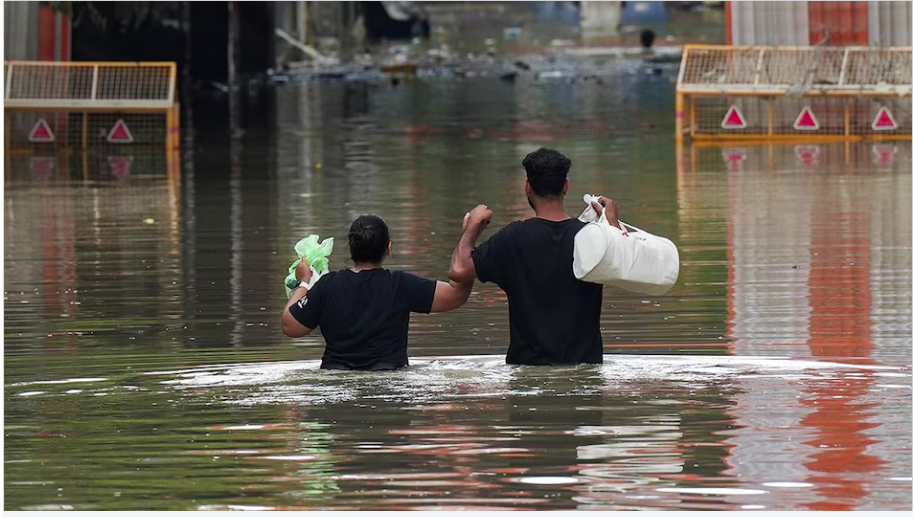
Between 2019 and 2025, floods have killed more than 12,000 people and displaced over 2 crore citizens across India.
The economic losses? Over ₹3.2 lakh crore in infrastructure, crops, and livelihoods.
(Source: NDMA Flood Impact Report 2025, CWC Annual Review, NITI Aayog Climate Risk Atlas)
👉 Every monsoon, India mourns thousands of lives — but policy headlines often talk only about financial loss.
It’s time we measure floods not just in rupees, but in human lives lost and futures broken.
📖 Why This Matters
Floods are not just natural disasters — they’re human failures of planning, drainage, and awareness.
Every year, India faces predictable floods in predictable regions — yet the same bridges collapse, the same towns drown, and the same families start over.
Lives are not numbers.
Every life lost is a failure of early warning, evacuation, and preparedness.
📊 India’s Major Floods (2019–2025)
| Year | Region / State | Deaths | Economic Loss (₹ crore) | People Displaced / Affected | Key Cause |
|---|---|---|---|---|---|
| 2019 | Assam, Bihar, Maharashtra | 1,900 | 48,000 | 88 lakh | River overflow, poor embankment |
| 2020 | Bihar, Assam, Kerala | 1,550 | 42,000 | 70 lakh | Monsoon overflow, dam release |
| 2021 | Uttarakhand, Maharashtra, West Bengal | 1,200 | 37,000 | 50 lakh | Cloudbursts, hill runoff |
| 2022 | Assam, Meghalaya, Gujarat | 1,650 | 51,000 | 1 crore+ | Record rainfall, blocked drainage |
| 2023 | Himachal, Delhi NCR, Punjab | 1,900 | 68,000 | 1.2 crore | Urban floods & infrastructure failure |
| 2024 | Tamil Nadu (Michaung), Odisha, Jharkhand | 1,150 | 45,000 | 65 lakh | Cyclone-induced heavy rainfall |
| 2025 (till August) | Assam, Gujarat, UP | 700+ | 28,000* | 35 lakh* | Early monsoon extremes |
(Sources: NDMA 2025, IMD Monsoon Bulletin, Central Water Commission Annual Report)
📈 Total (2019–2025):
- Deaths: ~12,000+
- Affected Population: ~5.3 crore
- Economic Loss: ₹3.2 lakh crore (≈ $40 billion USD)
🧠 Key Observations
- Economic recovery is visible — human recovery isn’t.
Funds rebuild roads faster than homes. Trauma and displacement persist for years. - Urban floods are rising faster than rural ones — due to concrete surfaces, poor drainage, and illegal construction.
- Repeated flooding zones: Assam, Bihar, Kerala, Maharashtra, and Chennai — despite decades of planning.
- Disaster relief fund utilization remains below 60% annually in many states.
- Insurance penetration for flood losses: <10%, mostly covering property, not lives.
💧 Life vs Economy – The Real Ratio
| Category | Human Deaths (2019–25) | Economic Loss (₹ crore) | Value of Response |
|---|---|---|---|
| Lives Lost in Floods | 12,000+ | — | Irreversible |
| Property/Infra Loss | — | 3,20,000+ | Rebuildable |
| Recovery Time | — | 1–3 years | 7–10 years (for affected families) |
| Relief Spending | — | 22,000 / year avg | Often too late |
👉 The irony: India rebuilds roads before homes, and drains before hope.
📊 Regional Impact Comparison
| Zone | Most Affected States | Deaths (2019–25) | Economic Loss (₹ crore) |
|---|---|---|---|
| North-East | Assam, Meghalaya | 2,800 | 65,000 |
| North India | Bihar, UP | 2,100 | 50,000 |
| South India | Tamil Nadu, Kerala, Telangana | 1,800 | 48,000 |
| Western India | Maharashtra, Gujarat | 1,900 | 55,000 |
| Hill States | Himachal, Uttarakhand, J&K | 1,600 | 42,000 |
🛡 Survival Lessons for Citizens
✅ Before Floods:
- Stay updated with IMD alerts & NDMA advisories.
- Keep emergency kit: torch, dry food, first-aid, water bottles, radio.
- Store important documents in waterproof folders.
- Identify safe zones (higher ground, nearby shelter).
✅ During Floods:
- Avoid walking or driving through moving water.
- Turn off electricity before evacuation.
- Help elderly, children, and disabled persons first.
- Stay away from damaged power lines & open drains.
✅ After Floods:
- Don’t return until authorities declare safe.
- Disinfect water and surfaces before use.
- Beware of snake bites and infections.
📢 Systemic Lessons
India must:
- Adopt Flood Resilience Index for every city & district.
- Strengthen river embankments & urban drainage systems.
- Make flood insurance affordable for low-income households.
- Integrate early warning with mobile & community volunteers (VFF model).
- Create public accountability dashboards for fund usage.
- Shift focus from relief to resilience.
📣 Call to Action
🚨 Floods don’t just take lives — they wash away decades of progress.
👉 Preparedness and early warning save both lives and livelihoods.
Value every human life as the true measure of recovery.
Because money can rebuild what nature destroys — but not who we lose.
📎 References
- National Disaster Management Authority (NDMA) Flood Impact Reports 2019–2025
- Central Water Commission (CWC) Annual Flood Review 2025
- IMD Monsoon & Climate Bulletins (2024–2025)
- NITI Aayog “India Climate Vulnerability Atlas” 2025
- UNDRR South Asia Flood Resilience Outlook 2024
🔚 Closing Line
We can count the rupees we lost — but not the hearts, homes, and futures swept away.
This is why we built HowToSurvive.in — to shift the focus from rebuilding property to protecting life.
Common unsafe practices
- Relying on equipment without a hazard assessment
- Blocking or compromising escape routes
- Delaying the alarm or emergency call
- Attempting a response beyond training or safe conditions
- Re-entering before authorised clearance
- Treating a checklist as a substitute for competent inspection