
🌊 Myths Around Flood Safety (Cars in Floodwater & More)
What needs attention
- The article topic must be linked to the actual occupancy and hazard
- Prevention and early warning provide more safety margin than last-second intervention
- Equipment is effective only when correctly selected, accessible and maintained
- People need short practised actions and a clear decision to stop and escape
- Children, visitors and people needing assistance require explicit planning
- Records, drills and inspections matter only when defects are corrected
Controls that reduce risk
- Complete a task- and site-specific hazard assessment
- Verify applicable Indian, state and local requirements
- Use competent inspection for installed systems and specialist hazards
- Keep alarms, exits, signs and emergency access usable
- Train intended users and practise evacuation
- Record defects with an owner and completion date
- Review the plan after changes, incidents or near misses
Understand and apply the guidance
⚠️ The Myth
“Water up to the tyre? I can drive through.”
“Floods rise slowly — I’ll have time to escape.”
“Strong swimmers can always survive floods.”
These myths cost hundreds of lives in India every monsoon.
Floods don’t look dangerous — until it’s too late.
“Most flood deaths don’t happen in rivers — they happen on roads.”
✅ The Fact
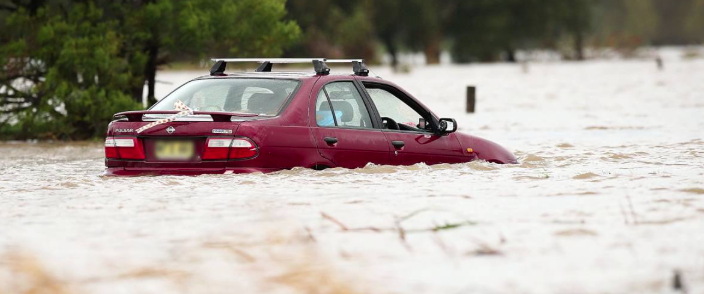
Even 6 inches of moving water can knock a person off their feet,
and 12 inches (1 foot) can sweep away a small car.
Floods are not about depth — they’re about force and velocity.
📊 Flood Fatalities & Vehicle-Linked Deaths (India 2019–2025)
| Year | Total Flood Deaths | Vehicle-Linked Deaths | % of Total |
|---|---|---|---|
| 2019 | 1,830 | 412 | 22.5% |
| 2020 | 1,590 | 366 | 23% |
| 2021 | 1,760 | 411 | 23% |
| 2022 | 2,050 | 478 | 23.3% |
| 2023 | 2,330 | 555 | 23.8% |
| 2024 | 2,620 | 601 | 22.9% |
| 2025 (till Aug) | 1,480 | 321 | 21.7% |
(Sources: NDMA Flood Mortality Review 2025, IMD Monsoon Data)
📈 Nearly 1 in 4 flood deaths in India involve vehicles caught in rising water.
🚫 Common Flood Myths vs Life-Saving Facts
| Myth | Reality |
|---|---|
| “My car is heavy; it won’t float.” | Even SUVs can lose traction in 2 feet of water. Water weighs 1,000 kg/m³ — more than most cars. |
| “Water looks calm, so it’s safe.” | Flash floods move with invisible undercurrents that can pull entire vehicles. |
| “I can see the road; I’ll drive slowly.” | Floodwater hides open manholes, sharp debris, and live electrical wires. |
| “I can swim through it.” | Floods carry mud, sewage, and chemicals — survival rate <10% once swept. |
| “It won’t reach my area.” | Cities like Delhi, Bengaluru, and Chennai flood every year due to blocked drains, not rivers. |
🧠 Case Study: Bengaluru Tech Park Flood (2022)
- Dozens of employees trapped in basement parking after trying to move vehicles.
- Floodwaters rose within 8 minutes, blocking exits.
- 3 fatalities — all from asphyxiation in sealed cars.
- Lesson: In floods, property can be replaced — people can’t.
🧭 What To Do (Practical Survival Tips)
✅ Turn Around, Don’t Drown: Never drive through moving or unknown-depth water.
✅ Abandon your car immediately if water enters and rises above the tyres.
✅ Move to higher ground — even a few feet makes a difference.
✅ Avoid basements, underpasses, and subways.
✅ Disconnect electricity and move valuables upward at home before flood season.
✅ Carry flood essentials: torch, power bank, first aid, dry food, rope, ID copies.
⚙️ Prevention Measures
1️⃣ Cities must install stormwater drain sensors and public flood alert sirens.
2️⃣ Strict zoning laws to prevent construction in floodplains.
3️⃣ Community flood-awareness programs in every monsoon-prone district.
4️⃣ Digital flood alert SMS for all citizens via IMD + NDMA integration.
📢 Systemic Lessons
Floods aren’t unpredictable — ignorance is.
The line between inconvenience and disaster is usually a few minutes of bad judgment.
📣 Call to Action
🌧️ During floods — never underestimate water.
👉 Share this truth: “Turn Around, Don’t Drown.”
Your awareness might save a stranger — or someone you love.
📎 References
- NDMA “Flood Preparedness and Response Framework,” 2025
- IMD “Extreme Rainfall Events Data,” 2024
- NDRF “Flood Rescue Operation Reports,” 2023
- WHO “Urban Flood Risk and Mortality Analysis,” 2024
🔚 Closing Line
Floods don’t wait for warnings — they punish assumptions.
This is why we built HowToSurvive.in — to replace overconfidence with awareness, and myths with mindful survival.
Common unsafe practices
- Relying on equipment without a hazard assessment
- Blocking or compromising escape routes
- Delaying the alarm or emergency call
- Attempting a response beyond training or safe conditions
- Re-entering before authorised clearance
- Treating a checklist as a substitute for competent inspection