
🌍 HowToSurvive Climate Change?
What needs attention
- The article topic must be linked to the actual occupancy and hazard
- Prevention and early warning provide more safety margin than last-second intervention
- Equipment is effective only when correctly selected, accessible and maintained
- People need short practised actions and a clear decision to stop and escape
- Children, visitors and people needing assistance require explicit planning
- Records, drills and inspections matter only when defects are corrected
Controls that reduce risk
- Complete a task- and site-specific hazard assessment
- Verify applicable Indian, state and local requirements
- Use competent inspection for installed systems and specialist hazards
- Keep alarms, exits, signs and emergency access usable
- Train intended users and practise evacuation
- Record defects with an owner and completion date
- Review the plan after changes, incidents or near misses
Understand and apply the guidance
“माता भूमिः पुत्रोऽहं पृथिव्याः।” — अथर्ववेद
Earth is our mother, and we are her children.
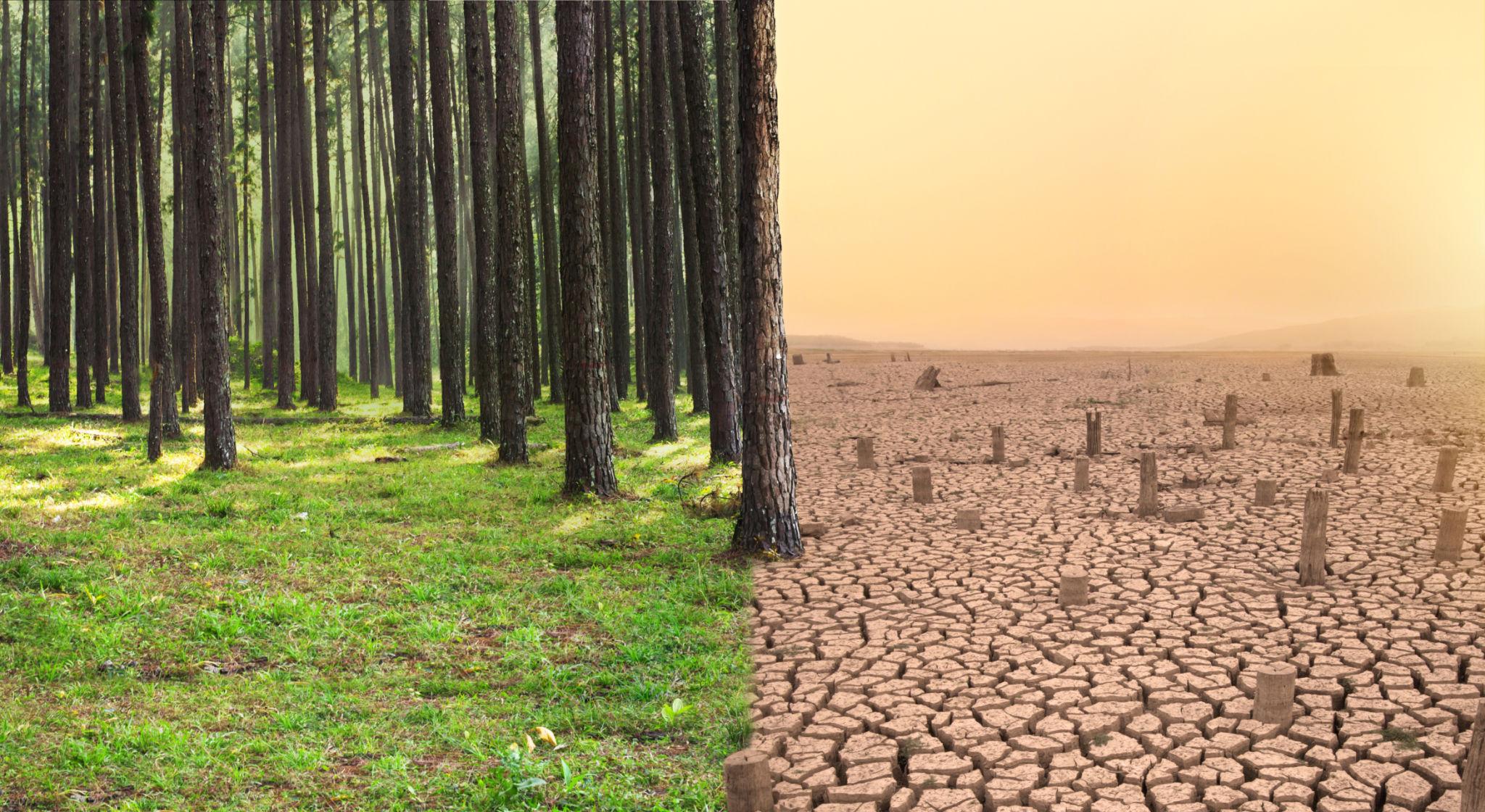
Climate change is not only about rising temperatures.
It is about changing life systems.
Today humanity is witnessing:
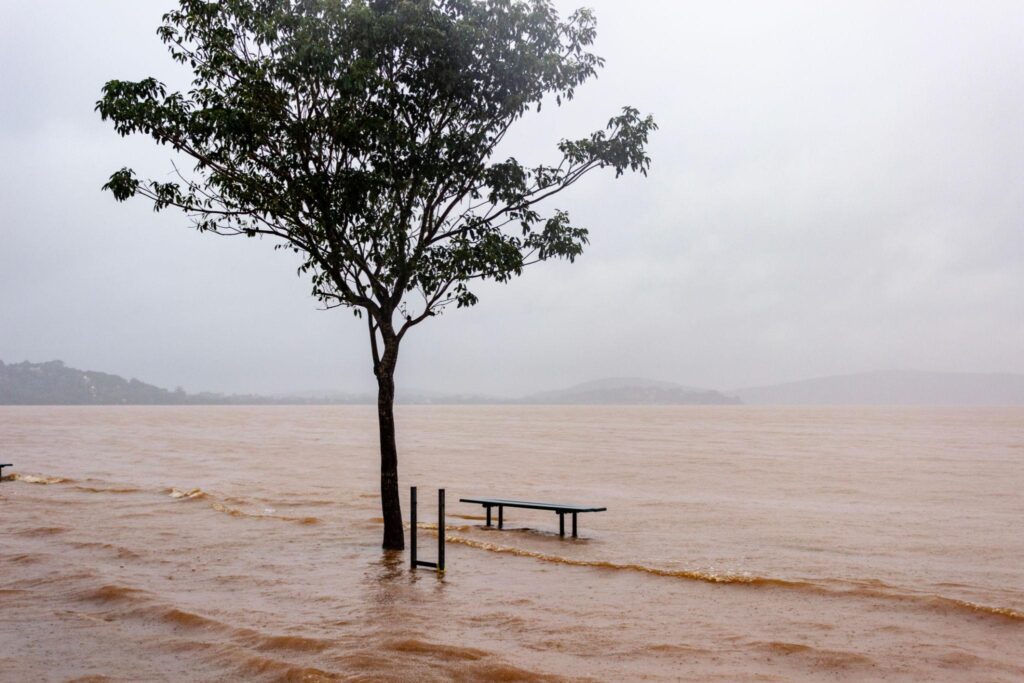
- Floods
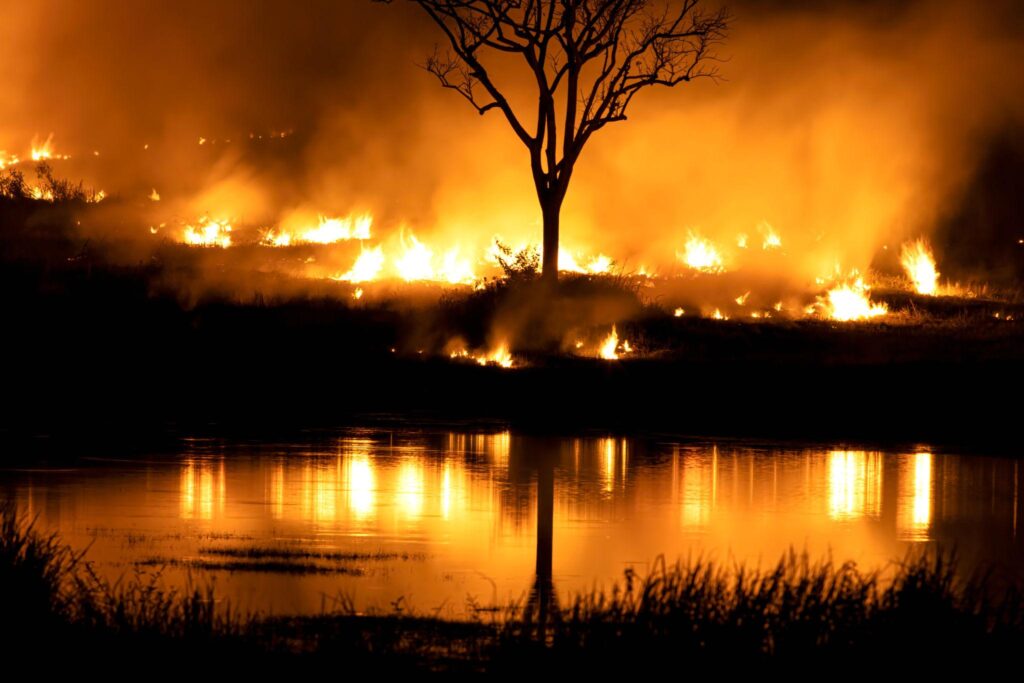
- Wildfires
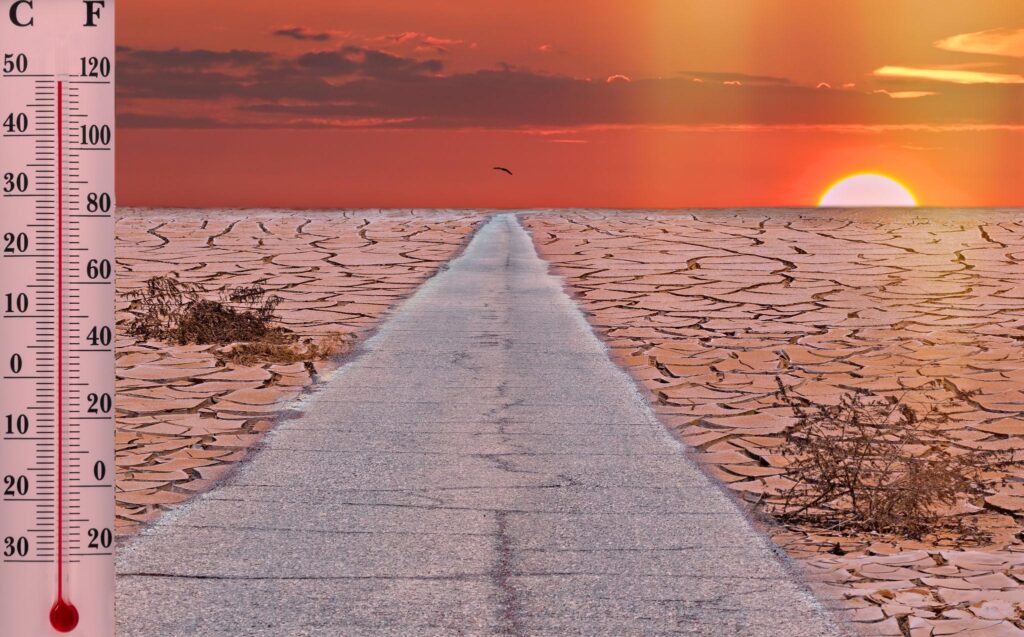
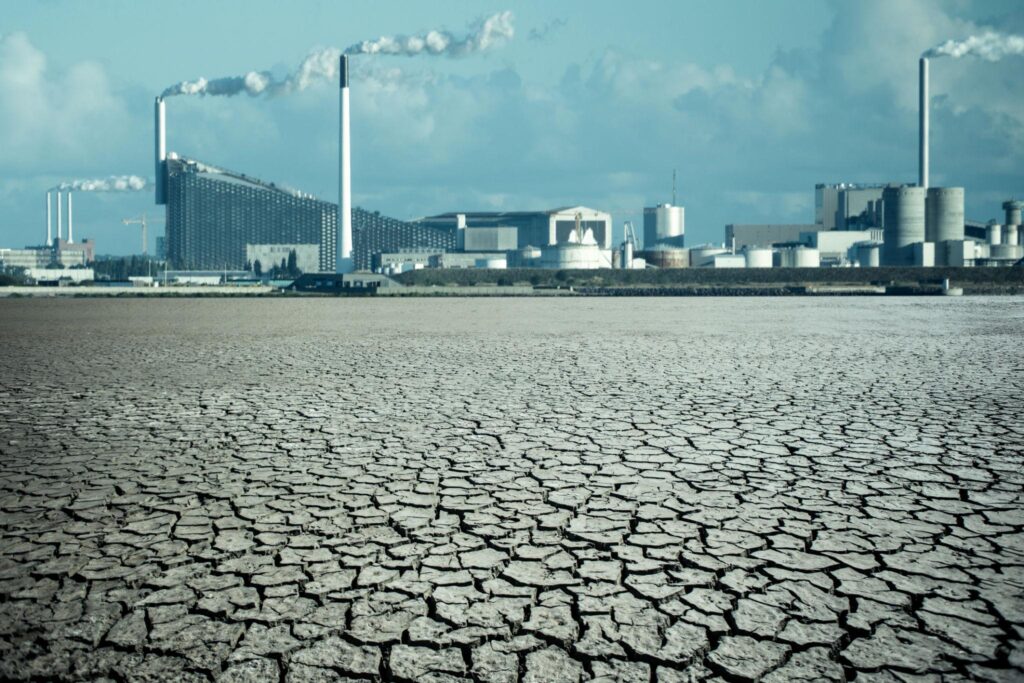
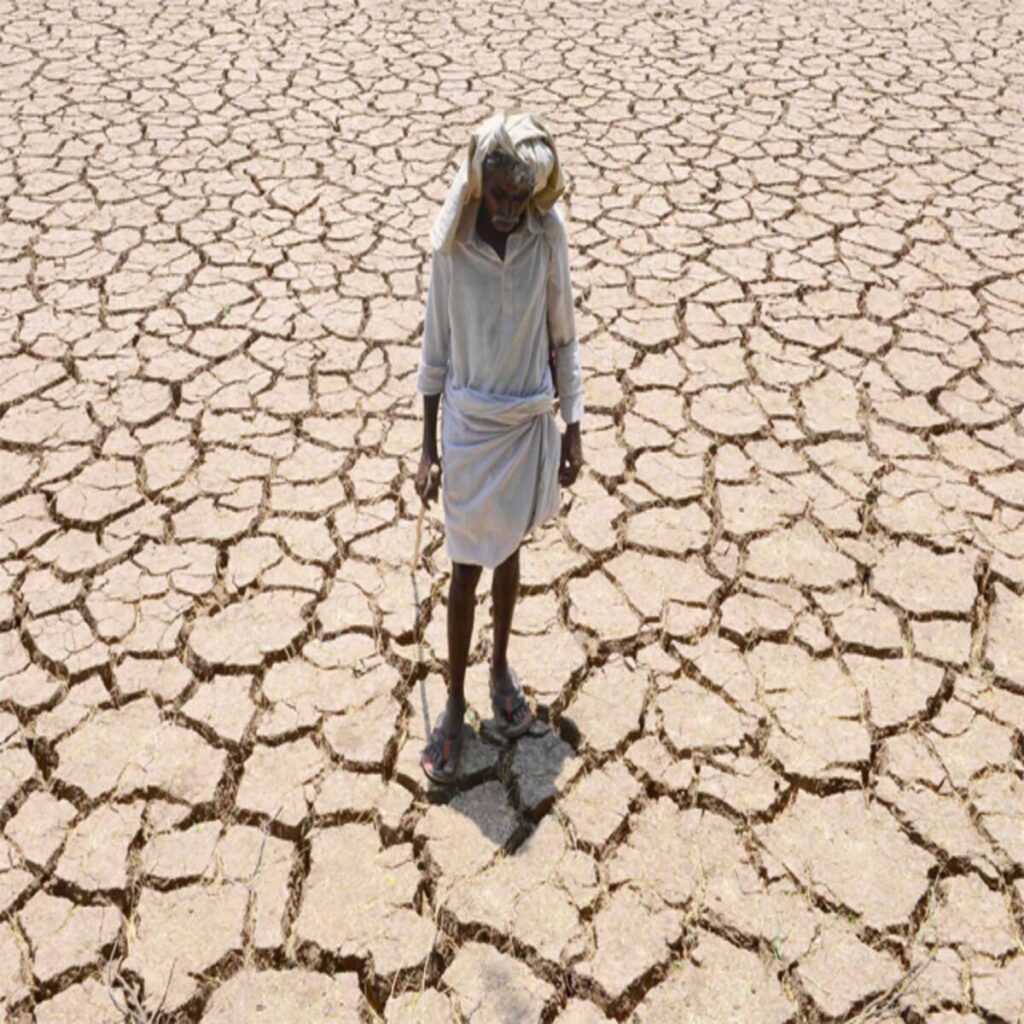
- Droughts
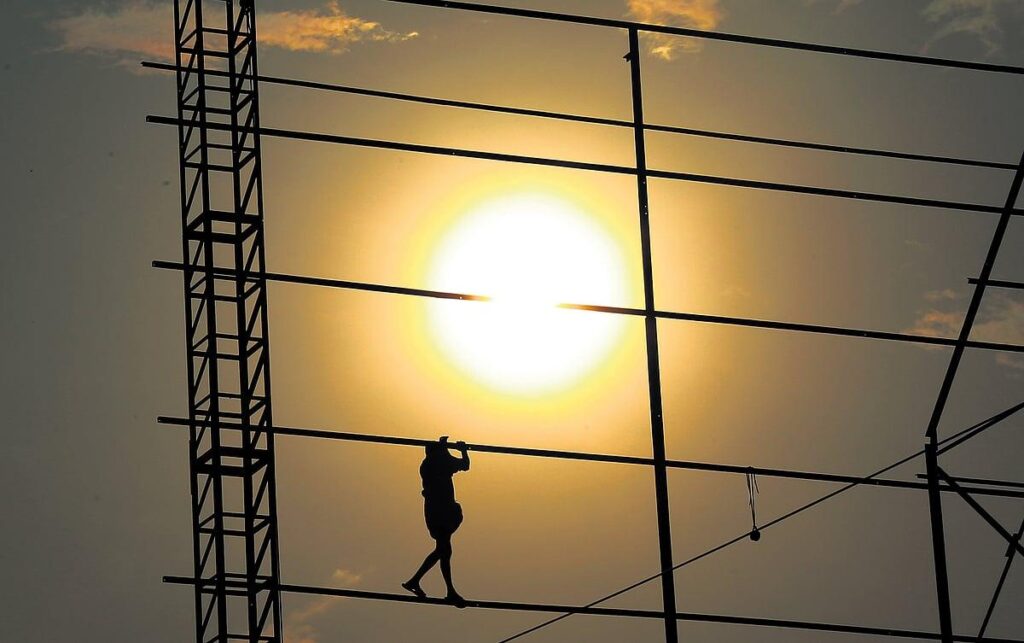
- Heatwaves
- Storms
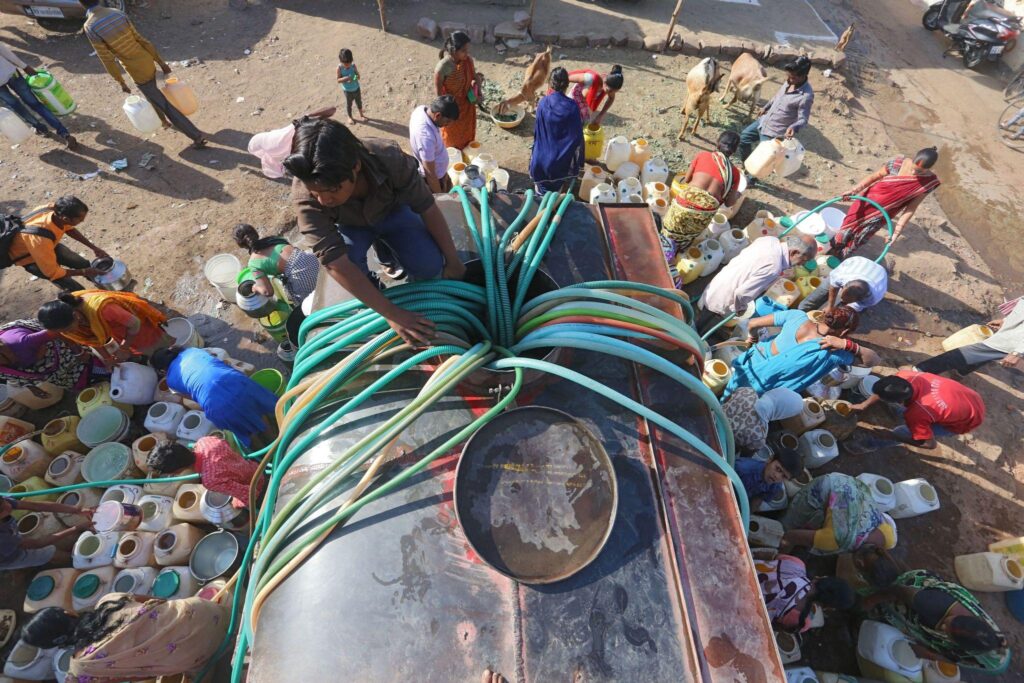
- Water shortages
- Crop failures
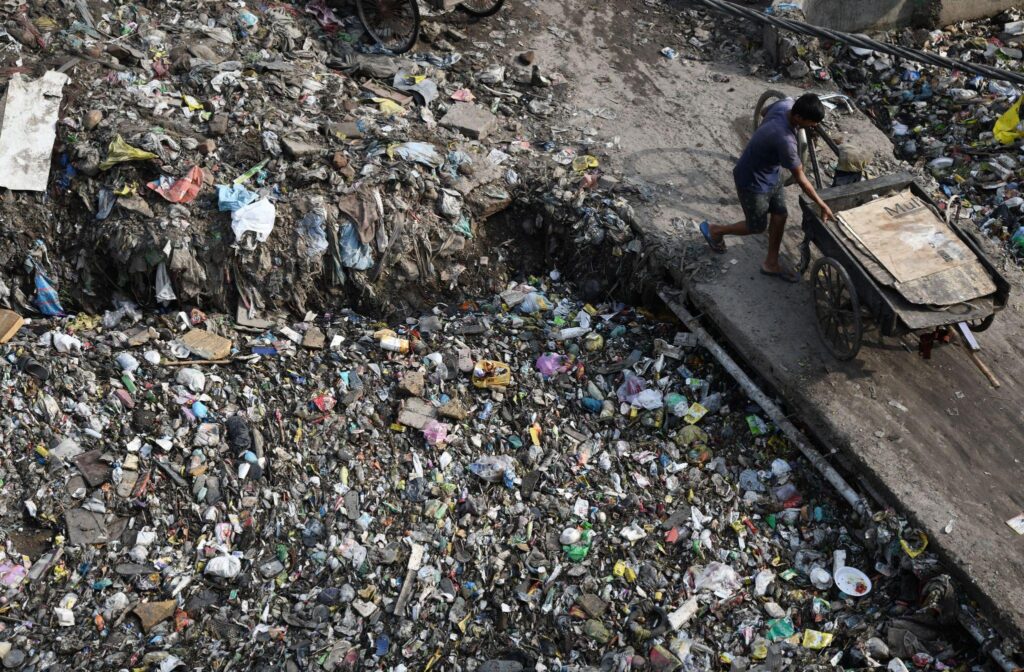
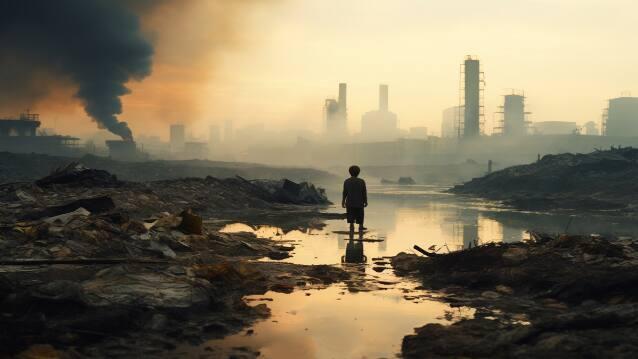
- Pollution
- Glacier melting
- Disease spread
- Wildlife loss
These are not separate events.
They are connected warning signs.
⚠️ Nature Lost Balance Because Humans Disturbed It
Nature always had balance.
But human actions slowly disturbed that balance through:
- Uncontrolled consumption
- Pollution
- Deforestation
- Irresponsible urbanization
- Careless industrial growth
- Destruction of ecosystems
For a long time, humanity treated nature like unlimited resource instead of shared responsibility.
Now nature is responding.
🌡️ Climate Change Is Already Affecting Daily Life
Many people still think climate change is a future problem.
But for millions, it is already affecting:
- Health
- Food
- Water
- Farming
- Homes
- Jobs
- Migration
- Survival itself
Climate change does not see:
- Rich or poor
- Religion or nationality
- Language or borders
A flood can enter any city.
A heatwave can affect any worker.
Polluted air can enter every home.
🧠 Survival Starts with Awareness
Surviving climate change is not only government responsibility.
It is also:
- Social responsibility
- Community responsibility
- Personal responsibility
Real survival starts from:
- Awareness
- Preparedness
- Responsible living
🛡️ What People Can Do
Basic actions matter:
✔ Save Water
Every drop matters in future survival.
✔ Reduce Waste
Excess consumption creates environmental pressure.
✔ Avoid Unnecessary Pollution
Small habits collectively create large damage.
✔ Protect Trees & Green Spaces
Forests regulate climate and protect ecosystems.
✔ Build Safer Infrastructure
Cities must be designed for resilience, not only expansion.
✔ Learn Disaster Response
Prepared communities survive disasters better.
✔ Support Sustainable Systems
Energy, transport, farming, and housing must evolve responsibly.
🌱 Humanity & Nature Are Connected
In Indian civilization, nature was never treated as an object.
- Rivers were called mothers
- Mountains were worshipped
- Trees were protected
- Animals were respected
Because survival of humans and survival of nature are deeply connected.
Destroying ecosystems eventually destroys human stability itself.
🧠 Climate Change Is Also a Mental Challenge
Continuous:
- Fear
- Uncertainty
- Extreme weather
- Economic loss
- Environmental destruction
…create emotional stress and hopelessness across society.
But fear alone cannot solve climate change.
Awareness with action can.
🤝 Collective Effort Creates Real Change
Every action may look small individually.
But every large transformation in history began through collective effort.
“वसुधैव कुटुम्बकम्।”
The world is one family.
If Earth suffers, humanity suffers together.
Communities that support each other survive longer during crises.
🌍 What “HowToSurvive Climate Change” Truly Means
It means:
- Understanding risks
- Preparing systems
- Protecting nature
- Helping communities
- Building responsibly
- Living consciously with the planet — not against it
Because survival is not only saving ourselves today.
It is protecting tomorrow for future generations.
📖 Real Survival
Climate change is not only an environmental issue.
It is:
- A human issue
- A survival issue
- A responsibility issue
Humanity cannot survive separately from nature.
The planet that gives life must also be protected by life.
🌍 HowToSurvive.in
Learn. Prevent. Protect. Survive.
Common unsafe practices
- Relying on equipment without a hazard assessment
- Blocking or compromising escape routes
- Delaying the alarm or emergency call
- Attempting a response beyond training or safe conditions
- Re-entering before authorised clearance
- Treating a checklist as a substitute for competent inspection