
🌍 HowToSurvive Earthquake?
What needs attention
- The article topic must be linked to the actual occupancy and hazard
- Prevention and early warning provide more safety margin than last-second intervention
- Equipment is effective only when correctly selected, accessible and maintained
- People need short practised actions and a clear decision to stop and escape
- Children, visitors and people needing assistance require explicit planning
- Records, drills and inspections matter only when defects are corrected
Controls that reduce risk
- Complete a task- and site-specific hazard assessment
- Verify applicable Indian, state and local requirements
- Use competent inspection for installed systems and specialist hazards
- Keep alarms, exits, signs and emergency access usable
- Train intended users and practise evacuation
- Record defects with an owner and completion date
- Review the plan after changes, incidents or near misses
Understand and apply the guidance
“धारणाद्धर्ममित्याहुः।”
That which holds and sustains life is Dharma.
Earth feels permanent.
People build:
- Homes
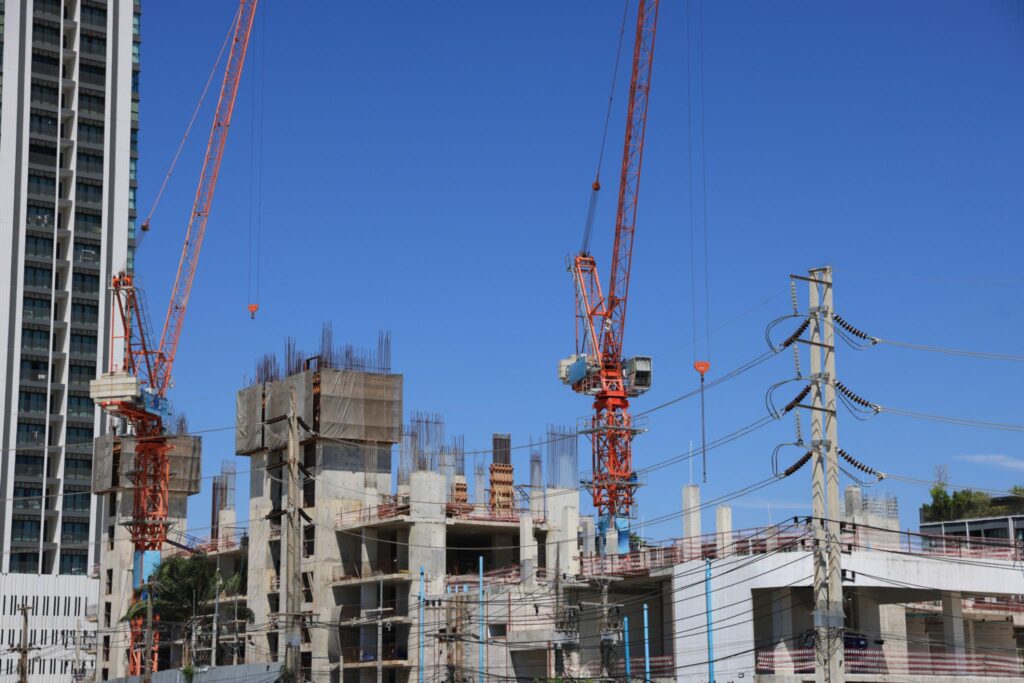
- Cities
- Towers
- Temples
- Businesses
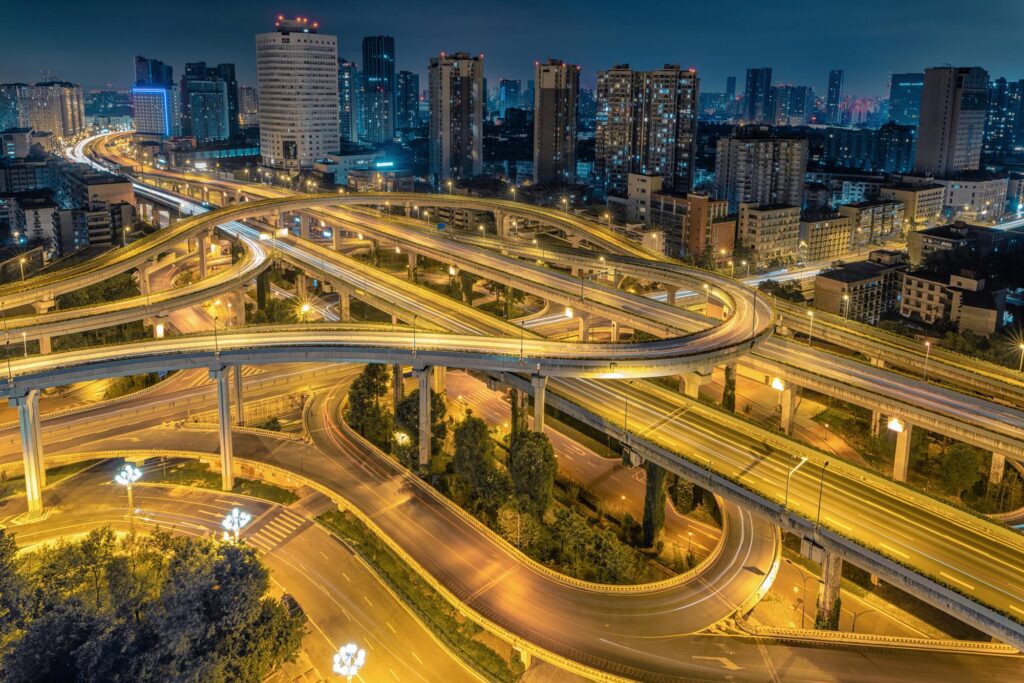
- Roads
- Entire civilizations
…believing the ground beneath them is stable.
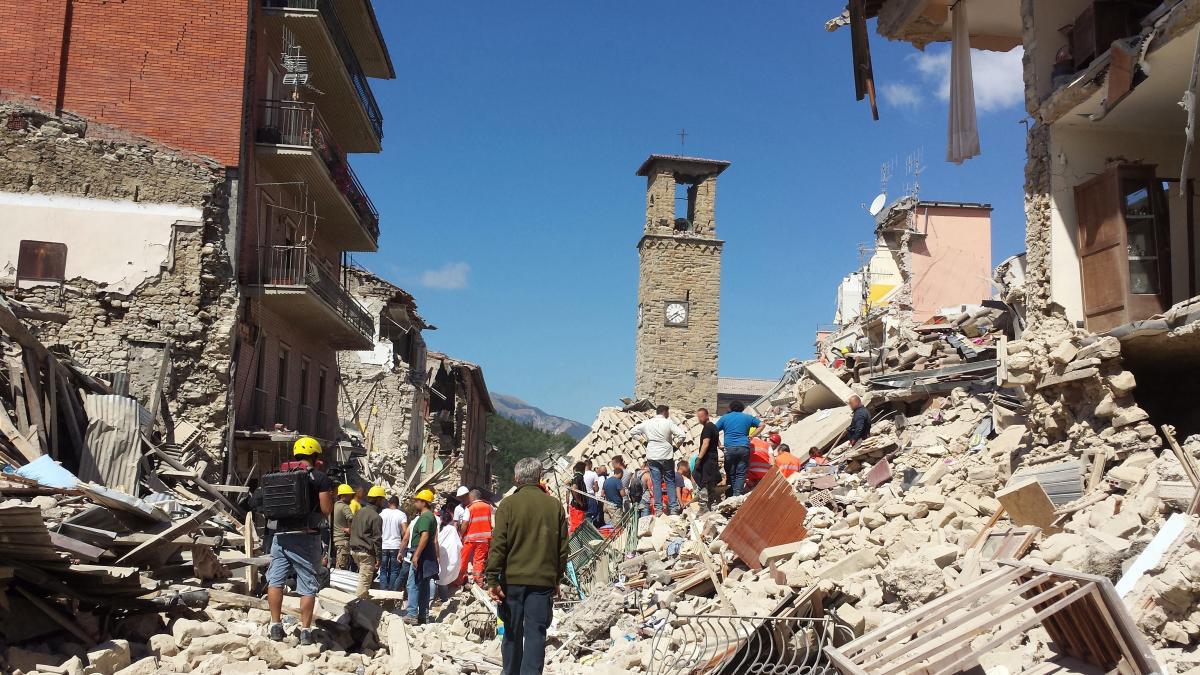
But earthquakes remind humanity that even the earth moves.

⚠️ Earthquake Is More Than Shaking Ground
Earthquake is not only tremors.
It is:
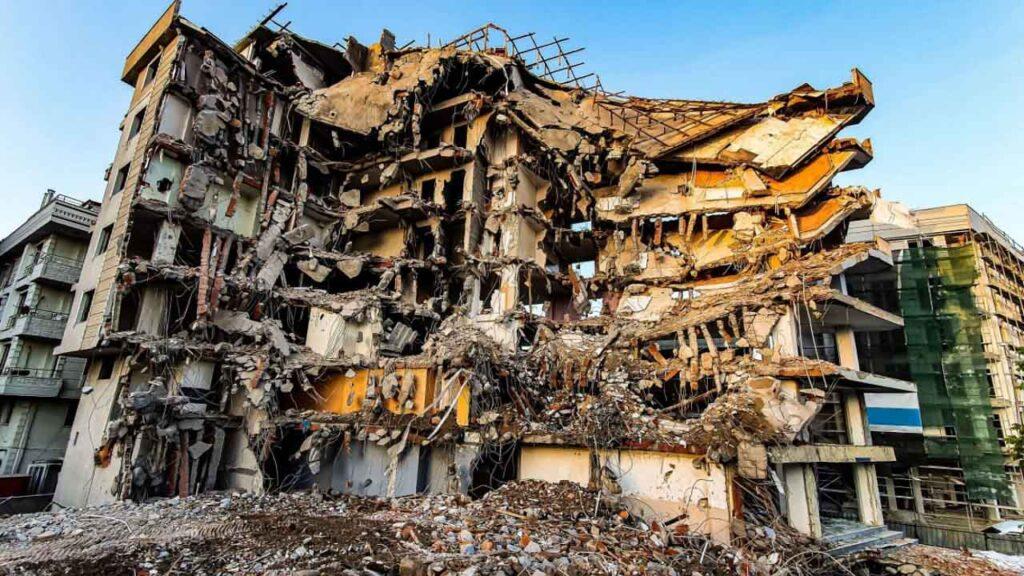
- Collapsing structures
- Dust and darkness
- Panic
- Isolation
- Trapped lives
- Broken communication
- Fire risk
- Sudden helplessness
Unlike many disasters, earthquakes often come without warning.
In just a few seconds:
- Buildings collapse
- Roads crack
- Electricity fails
- Families get separated
- Communication stops
- Panic spreads faster than information
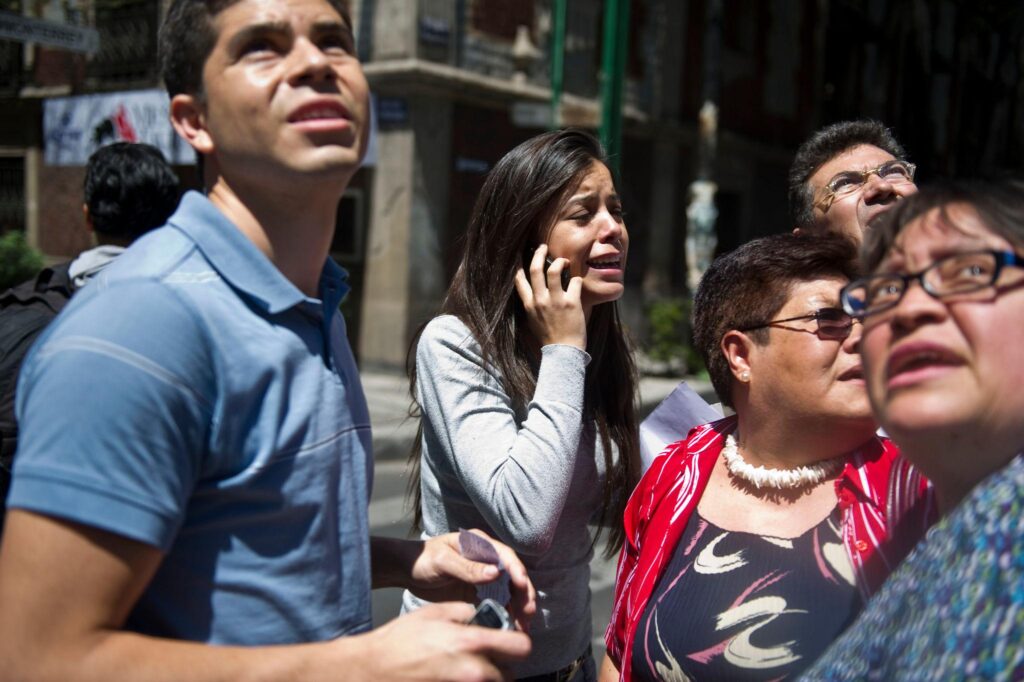
🧠 Most Deaths Are Human-Made
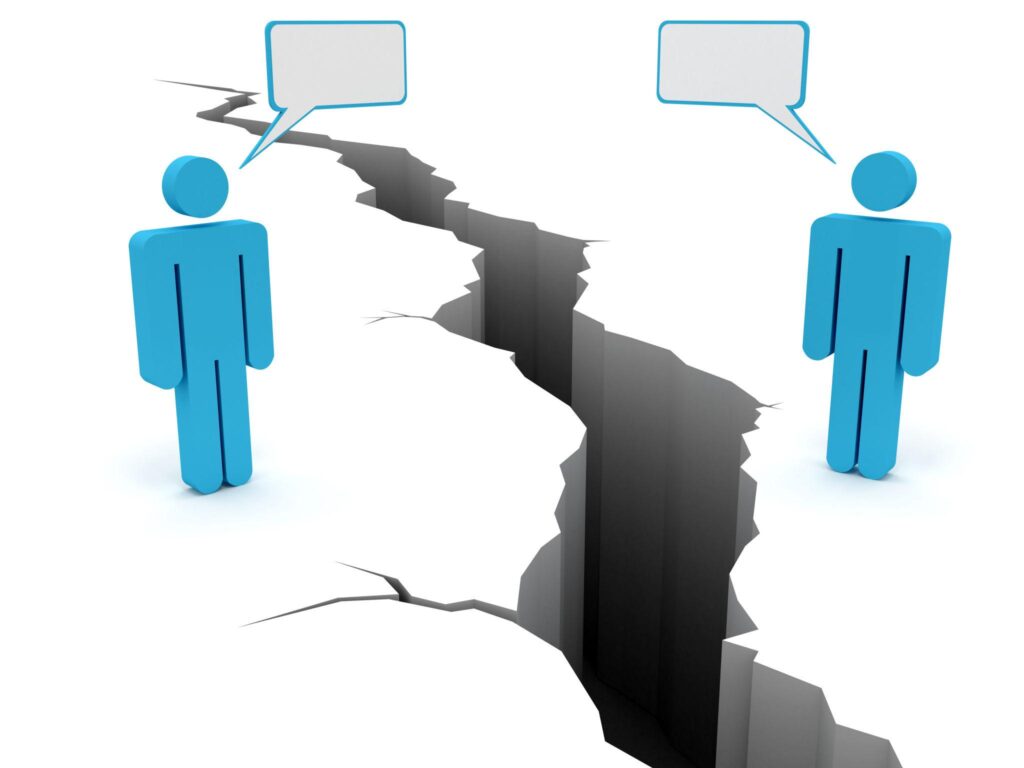
Most earthquake deaths do not happen because of the earth itself.
They happen because of:
- Weak construction
- Poor planning
- Illegal structures
- Overcrowding
- Panic
- Lack of preparedness
Nature tests what humans build.
🏗️ Real Stability Is Bigger Than Walls
“स्थिरता” is not only strength of concrete.
Real stability means:
- Safe structures
- Prepared systems
- Aware citizens
- Proper evacuation planning
- Responsible construction
A society that ignores safety during construction creates disaster long before the earthquake begins.
🚨 How To Survive During Earthquake
✔ Stay Calm
Panic creates more injuries than shaking itself.
✔ Drop, Cover, and Hold
- Drop to the ground
- Take cover under sturdy furniture
- Hold firmly until shaking stops
✔ Protect Head & Neck
Use arms, bag, pillow, or nearby object.
✔ Stay Away from Windows & Heavy Objects
Glass, cupboards, fans, and shelves become deadly during shaking.
✔ Never Use Lifts
Power failure can trap people instantly.
✔ If Outside, Move Away
Stay away from:
- Buildings
- Electric poles
- Bridges
- Trees
- Glass facades
✔ Evacuate Carefully After Shaking Stops
Buildings may already be structurally damaged.
⚠️ Panic Becomes a Secondary Disaster
During earthquakes, many people get injured:
- Jumping from buildings
- Running blindly
- Crowding staircases
- Pushing others
- Returning inside unstable structures
Aftershocks can collapse weakened buildings even after the main tremor ends.
That is why awareness matters more than fear.
🛡️ Earthquake Survival Starts Before Earthquake
Preparedness saves more lives than rescue.
Real earthquake safety depends on:
- Structural design
- Earthquake-resistant engineering
- Emergency exits
- Disaster planning
- Awareness training
- Safe furniture placement
- Emergency kits
- Responsible urban development
🌱 Nature & Stability
“प्रकृति के साथ संतुलन ही स्थिरता है।”
Balance with nature is stability itself.
Today cities are growing vertically faster than awareness is growing.
People often ask:
“How strong is the building?”
But rarely ask:
“How prepared are the people inside it?”
🤝 In Disaster, Humanity Becomes Infrastructure
Disaster does not check:
- Religion
- Status
- Profession
- Wealth
- Nationality
When the ground shakes, survival depends on:
- Preparedness
- Systems
- Awareness
- Humanity
In many earthquakes, the first hope comes from:
- Neighbours
- Volunteers
- Rescue teams
- Ordinary citizens
- Complete strangers
Because during disasters, humanity itself becomes infrastructure.
📖 Survival Is Respect Before Disaster
Earthquake survival is not about controlling the earth.
It is about:
- Respecting its power
- Building responsibly
- Preparing before shaking begins
- Staying aware before panic starts
Preparedness is the strongest foundation humanity can build.
🌍 HowToSurvive.in
Learn. Prevent. Protect. Survive.
Common unsafe practices
- Relying on equipment without a hazard assessment
- Blocking or compromising escape routes
- Delaying the alarm or emergency call
- Attempting a response beyond training or safe conditions
- Re-entering before authorised clearance
- Treating a checklist as a substitute for competent inspection