
🌎 Climate Change & Rising Frequency of Disasters (India 2019–2025)
What needs attention
- The article topic must be linked to the actual occupancy and hazard
- Prevention and early warning provide more safety margin than last-second intervention
- Equipment is effective only when correctly selected, accessible and maintained
- People need short practised actions and a clear decision to stop and escape
- Children, visitors and people needing assistance require explicit planning
- Records, drills and inspections matter only when defects are corrected
Controls that reduce risk
- Complete a task- and site-specific hazard assessment
- Verify applicable Indian, state and local requirements
- Use competent inspection for installed systems and specialist hazards
- Keep alarms, exits, signs and emergency access usable
- Train intended users and practise evacuation
- Record defects with an owner and completion date
- Review the plan after changes, incidents or near misses
Understand and apply the guidance
🔴 Truth Drop
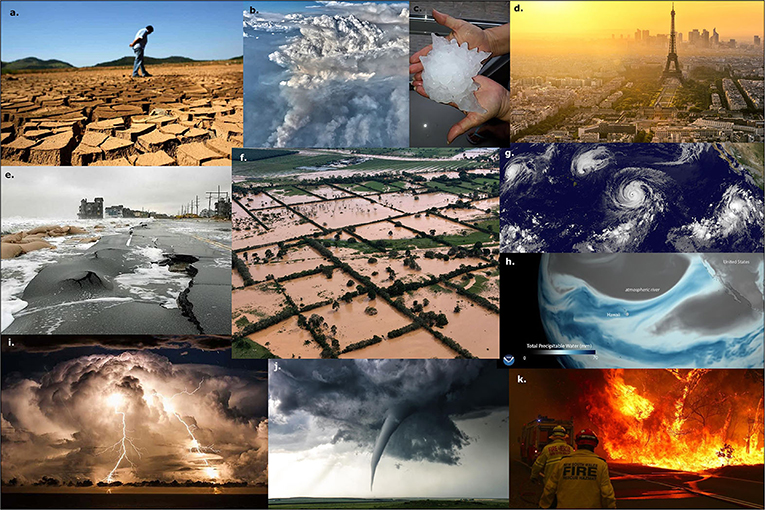
India is facing climate change on fast-forward.
Between 2019 and 2025, the country recorded over 1,750 extreme weather events, killing 17,800 people and displacing 80 lakh+ families.
(Source: NDMA, IMD, CEEW, 2025)
That’s one disaster every two days.
“The climate is not changing slowly — we are adapting slowly.”
📖 Why This Matters
What used to be “once-in-a-decade” events — like cloudbursts, floods, and heatwaves — are now annual occurrences.
Farmers, fishermen, and city dwellers alike are paying the price for unchecked emissions, deforestation, and unplanned growth.
Disaster management without climate awareness is like firefighting with gasoline — reactive, not preventive.
📊 India’s Climate-Linked Disasters (2019–2025)
| Year | Type | Key Events | Impact |
|---|---|---|---|
| 2019 | Floods & Cyclones | Assam, Bihar, Odisha (Fani) | 2,400 deaths, ₹60,000 Cr loss |
| 2020 | Heatwaves & Locust Swarms | Rajasthan, Gujarat | 3,100 deaths, crop loss ₹40,000 Cr |
| 2021 | Floods & Landslides | Uttarakhand, Kerala | 2,900 deaths, 300+ villages destroyed |
| 2022 | Heatwave + Drought | North & Central India | 5,000 deaths, 45% drop in yield |
| 2023 | Cyclones (Biparjoy, Michaung) | Tamil Nadu, Gujarat | ₹75,000 Cr loss, 2,300 displaced |
| 2024 | Urban Floods + Wildfires | Delhi, Himachal, Nagaland | Record AQI spikes, 1,400 deaths |
| 2025 (till Aug) | Early heatwaves + flash floods | MP, Maharashtra, Sikkim | 1,000+ deaths (so far) |
(Sources: IMD, NDMA, State Disaster Management Reports, 2025)
📈 Pattern of Acceleration (2019–2025):
- Average disaster count doubled in 6 years.
- Average temperature anomaly: +1.2°C.
- Rainfall variability: +15% (more erratic rain bursts).
- Sea level rise: +3.3 mm/year — highest in Indian Ocean history.
🌦️ Climate Events by Category
| Category | Frequency (2019) | Frequency (2025) | % Rise |
|---|---|---|---|
| Cyclones | 5 | 9 | +80% |
| Heatwaves | 32 | 59 | +84% |
| Urban Floods | 9 | 21 | +133% |
| Forest Fires | 3,000 | 5,200 | +73% |
| Drought Zones (districts) | 54 | 92 | +70% |
(Data: IMD Climate Bulletin, NDMA Annual Report 2025)
🧠 The Science Behind the Crisis
1️⃣ Warming Oceans
- Bay of Bengal and Arabian Sea temperatures have risen 0.7°C in 20 years, fueling stronger cyclones.
2️⃣ Erratic Monsoons
- Shorter, intense rainfall replaces steady seasonal rain — floods + droughts in same region.
3️⃣ Glacial Melt
- Himalayas losing 35 cm ice per year, triggering flash floods and GLOFs (Glacial Lake Outburst Floods).
4️⃣ Urban Heat Islands
- Cities like Delhi and Ahmedabad are now 4–6°C hotter than nearby rural areas.
🧠 Case Study: Himachal Cloudburst & Flash Floods (2023)
- Rainfall: 400% above normal in 48 hours.
- Casualties: 400+ deaths, 2,500 homes washed away.
- Reason: Sudden monsoon surge + deforestation + urban encroachment.
- Lesson: Climate disasters don’t come unannounced — we just stop listening to the warnings.
🌱 Impact on Life & Economy
- GDP loss: Climate-linked disasters cost India ₹9.4 lakh crore (3% of GDP) in 5 years.
- Agriculture: 35% yield drop in rainfed zones since 2020.
- Health: Heatwave-related deaths doubled (WHO India 2024).
- Migration: 45 lakh people displaced annually by floods & droughts.
🧭 Mitigation & Adaptation Pathways
✅ Transition to renewable energy — India needs 50% non-fossil energy by 2030.
✅ Develop climate-resilient cities with drainage, heat maps, and green corridors.
✅ Implement early warning systems in all 766 districts.
✅ Encourage water harvesting and regenerative farming.
✅ Strengthen disaster insurance and climate funds for poor households.
📢 Systemic Lessons
India must:
- Integrate climate adaptation into every development project.
- Establish National Climate Emergency Response Authority (NCERA).
- Make climate education compulsory in schools and governance training.
- Ensure every district’s disaster plan includes climate projections and data models.
📣 Call to Action
🌍 Climate change is not a distant threat — it’s the disaster next door.
👉 Every action — from reducing waste to planting trees — is a shield against collapse.
We either adapt today or disappear tomorrow.
📎 References
- NDMA “Climate Risk Atlas of India,” 2025
- IMD “Annual Climate Summary,” 2024
- CEEW “State of India’s Climate Readiness,” 2025
- World Bank “Economic Cost of Extreme Weather in South Asia,” 2024
🔚 Closing Line
Nature is no longer unpredictable — it’s reacting.
This is why we built HowToSurvive.in — to awaken citizens before the planet sounds the final alarm.
Common unsafe practices
- Relying on equipment without a hazard assessment
- Blocking or compromising escape routes
- Delaying the alarm or emergency call
- Attempting a response beyond training or safe conditions
- Re-entering before authorised clearance
- Treating a checklist as a substitute for competent inspection