
🌲 HowToSurvive Jungle / Lost Situation?
What needs attention
- The article topic must be linked to the actual occupancy and hazard
- Prevention and early warning provide more safety margin than last-second intervention
- Equipment is effective only when correctly selected, accessible and maintained
- People need short practised actions and a clear decision to stop and escape
- Children, visitors and people needing assistance require explicit planning
- Records, drills and inspections matter only when defects are corrected
Controls that reduce risk
- Complete a task- and site-specific hazard assessment
- Verify applicable Indian, state and local requirements
- Use competent inspection for installed systems and specialist hazards
- Keep alarms, exits, signs and emergency access usable
- Train intended users and practise evacuation
- Record defects with an owner and completion date
- Review the plan after changes, incidents or near misses
Understand and apply the guidance
“धैर्यं सर्वत्र साधनम्।”
In survival, panic is often more dangerous than the situation itself.
A person can get lost:
- In forests
- Mountains
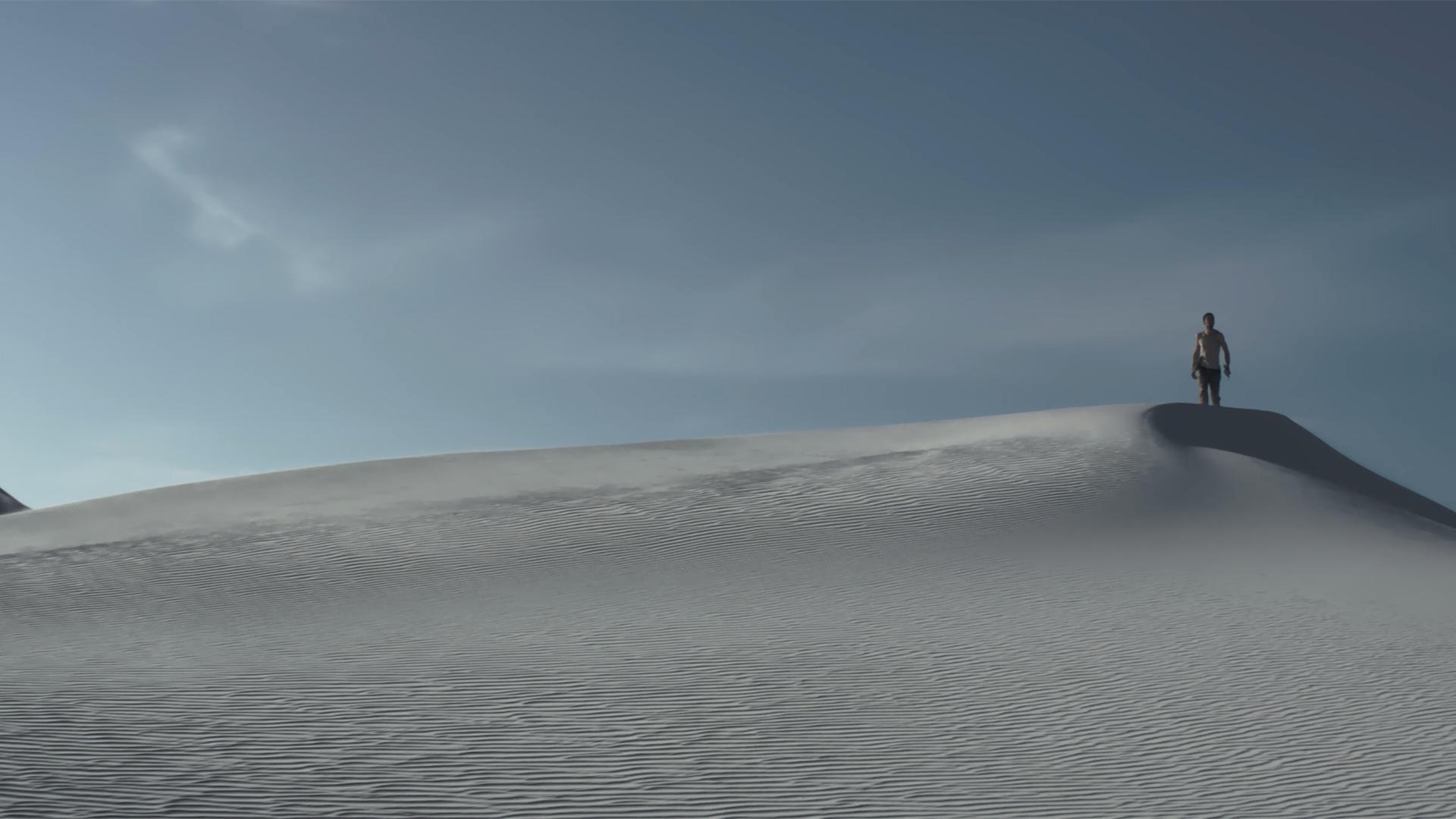
- Deserts
- Flood zones
- Unknown cities
- Or even in life itself
In isolated situations, fear grows quickly because humans lose:
- Direction
- Communication
- Comfort
- Certainty
Movies often show survival as action.
Reality begins with calmness.
🧠 The First Survival Tool Is the Mind
The first survival tool is not:
- A knife
- A weapon
- Expensive gear
It is:
Presence of mind.
If you realize you are lost:
✔ Stop Unnecessary Movement
Blind movement usually worsens the situation.
✔ Stay Calm
Panic destroys judgment.
✔ Save Energy
Energy becomes survival resource.
✔ Observe Carefully
Nature constantly gives information.
✔ Think Before Acting
Survival rewards patience more than panic.
Many people die not because rescue was impossible…
but because fear made them:
- Run blindly
- Waste water
- Get injured
- Lose direction further
🛡️ Basic Survival Priorities
In most survival situations, priorities are:
1️⃣ Shelter
Protection from heat, cold, rain, animals, and exhaustion.
2️⃣ Water
Without water, survival becomes difficult very quickly.
3️⃣ Warmth
Body temperature control is critical.
4️⃣ Signal for Help
Increase chances of rescue.
5️⃣ Food
Humans survive much longer without food than without water or shelter.
🌿 Nature Gives Clues
Nature is dangerous — but nature also provides signals.
✔ Flowing Water Often Leads Toward Civilization
Villages and settlements usually develop near water sources.
✔ Animal Paths May Lead to Water
Repeated movement patterns often indicate resources.
✔ Sunlight Helps Direction
Understanding sunrise and sunset helps orientation.
✔ Smoke & Sound Can Indicate Human Presence
Careful observation increases survival chances.
⚠️ What NOT To Do
Survival also means avoiding dangerous mistakes.
❌ Don’t Eat Unknown Plants Blindly
Some plants are poisonous.
❌ Don’t Run Continuously
Exhaustion reduces survival ability.
❌ Don’t Separate from Group Unnecessarily
Groups survive better than isolated individuals.
❌ Don’t Lose Mental Control
Fear creates irrational decisions.
🧠 Survival Has Always Been About Awareness
Saints, forest communities, travelers, soldiers, and explorers survived difficult terrains not only through strength…
…but through:
- Observation
- Patience
- Awareness
- Adaptation
“योगः कर्मसु कौशलम्।” — भगवद्गीता
Skill and awareness in action matter most.
🌌 Sometimes the Real Jungle Is Inside the Mind
Sometimes the jungle outside is easier than the jungle inside the mind.
Many people in modern cities are also mentally lost:
- Directionless
- Emotionally exhausted
- Disconnected
- Surrounded by noise but lacking clarity
That is why survival is not only physical.
Learning to survive:
- Isolation
- Uncertainty
- Fear
- Confusion
…is equally important.
🤝 Human Survival Depends on Cooperation
If someone is lost:
- Help them
- Guide them
- Share location information
- Inform authorities
- Never ignore missing situations casually
Human civilization survived for thousands of years through cooperation.
No one survives completely alone.
📖 Real Survival
HowToSurvive jungle or lost situations means:
- Stay calm
- Think clearly
- Protect energy
- Understand nature
- Never let fear control decisions
Because survival often begins the moment panic ends.
🌲 HowToSurvive.in
Learn. Prevent. Protect. Survive.
Common unsafe practices
- Relying on equipment without a hazard assessment
- Blocking or compromising escape routes
- Delaying the alarm or emergency call
- Attempting a response beyond training or safe conditions
- Re-entering before authorised clearance
- Treating a checklist as a substitute for competent inspection