
🏔️ Landslide-Prone Regions – Statistics & Warning Signs (2019–2025)
What needs attention
- The article topic must be linked to the actual occupancy and hazard
- Prevention and early warning provide more safety margin than last-second intervention
- Equipment is effective only when correctly selected, accessible and maintained
- People need short practised actions and a clear decision to stop and escape
- Children, visitors and people needing assistance require explicit planning
- Records, drills and inspections matter only when defects are corrected
Controls that reduce risk
- Complete a task- and site-specific hazard assessment
- Verify applicable Indian, state and local requirements
- Use competent inspection for installed systems and specialist hazards
- Keep alarms, exits, signs and emergency access usable
- Train intended users and practise evacuation
- Record defects with an owner and completion date
- Review the plan after changes, incidents or near misses
Understand and apply the guidance
🔴 Truth Drop
Between 2019 and 2025, India recorded more than 2,200 major landslides across 17 states and UTs, killing 1,600+ people and displacing nearly 3 lakh families.
(Source – National Disaster Management Authority / NRSC Landslide Atlas 2025)
👉 India is the 4th most landslide-prone country in the world, with the Himalayas and the Western Ghats facing the highest risk.
📖 Why This Matters
Landslides aren’t isolated hill disasters anymore.
They are hitting highways, pilgrim routes, urban hillsides, hydropower projects, and even tourist destinations.
Each landslide wipes out not just soil — but roads, homes, and futures.
In the past decade, they’ve increased by >25 %, driven by deforestation, unscientific road-cutting, and extreme rainfall linked to climate change.
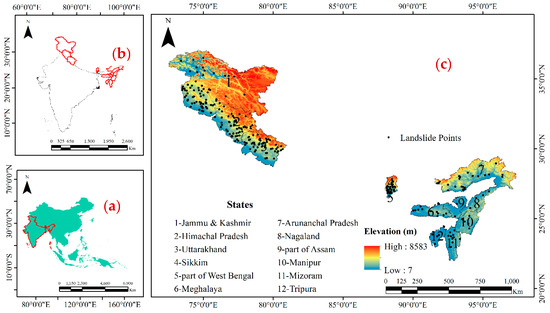
🗺️ India’s Most Landslide-Prone States (2019 – 2025)
| Rank | State / Region | % of Districts at Risk | Major Hotspots | Key Causes |
|---|---|---|---|---|
| 1️⃣ | Uttarakhand | 85 % | Joshimath, Chamoli, Rudraprayag, Badrinath NH-7 | Road-cutting, glacier melt, rainfall spikes |
| 2️⃣ | Himachal Pradesh | 75 % | Kinnaur, Mandi, Shimla, Kullu – Manali Highway | Construction on steep slopes |
| 3️⃣ | Jammu & Kashmir | 70 % | Ramban, Doda, Udhampur on NH-44 | Fragile rocks, tunnel projects |
| 4️⃣ | Sikkim & Darjeeling (WB) | 60 % | Teesta Valley, Kalimpong, NH-10 | Hydropower tunneling, heavy rain |
| 5️⃣ | Arunachal Pradesh | 55 % | Papum Pare, Siang Valley | Rainfall + earthquake-induced slips |
| 6️⃣ | Kerala | 45 % | Idukki, Wayanad, Kottayam Hills | Monsoon floods + deforestation |
| 7️⃣ | Nagaland / Manipur / Mizoram | 40 % | Kohima, Aizawl slopes | Hill cutting for roads & urbanization |
| 8️⃣ | Maharashtra (West Ghats) | 25 % | Raigad, Ratnagiri, Pune Ghat sections | Quarrying, heavy monsoon |
| 9️⃣ | Tamil Nadu (West Ghats) | 20 % | Nilgiris, Coonoor | Soil saturation, plantation roads |
| 🔟 | Meghalaya & Tripura | 15 % | Shillong plateau, Jowai | Rain-soaked slopes |
(Source: NRSC Landslide Atlas 2025, NDMA Hill Hazard Zonation 2024)
📊 Data Highlights
- Average Fatalities / Year: 250–300
- Economic Loss: ₹5,000 crore / year (roads, power, housing)
- Major Triggers:
‣ 72 % – Heavy Rain or Cloudburst
‣ 14 % – Construction / Excavation
‣ 9 % – Earthquake Shock
‣ 5 % – Deforestation / Soil Instability - Uttarakhand & HP account for >45 % of India’s total landslide fatalities.
🧠 Warning Signs Before a Landslide
⚠️ Small clues can save lives — learn to notice them:
- Cracks in walls or floors appearing suddenly.
- Tilting trees or electric poles on slopes.
- Unusual sounds – rumbling or stone crackling.
- Muddy water seeping from hill faces.
- Jammed doors / windows as ground shifts.
- Sudden rise in stream turbidity after rain.
- Water leakage from tunnel or retaining walls.
If you see these – evacuate immediately and alert neighbors and local authorities.
🛡 Survival Lessons for Citizens
✅ Avoid building or parking under steep slopes.
✅ Don’t travel during continuous heavy rain on hill roads.
✅ Carry a battery torch, whistle, first-aid kit while commuting in hills.
✅ Keep emergency contacts – 108 (Ambulance), 112 (Disaster Helpline).
✅ Never stand on bridge edges or riverbanks during rain.
✅ Follow IMD & NDMA alerts — move before you’re forced to.
📢 Systemic Lessons
India must:
- Complete nationwide Landslide Hazard Zonation Maps for district-level planning.
- Enforce no-construction buffer zones along steep corridors.
- Adopt bio-engineering solutions (grass terracing, bamboo retaining walls).
- Integrate early-warning sensors & rainfall threshold alerts into the NDMA app.
- Train local communities and tour operators under VFF India–NDMA volunteer models.
📣 Call to Action
🚨 If you live or travel in hill regions, observe the ground beneath you — it talks before it moves.
👉 Share this guide with friends in Himalayan or Western Ghat zones.
👉 Awareness and early action can turn a disaster into an escape story.
📎 References
- NRSC (Landslide Atlas of India) 2025
- National Disaster Management Authority – Hill Area Hazard Reports 2024
- Geological Survey of India (Landslide Inventory 2023)
- IMD Monsoon Rainfall Pattern Analysis 2025
- UNDRR Asia-Pacific Landslide Risk Review 2023
🔚 Closing Line
The mountains don’t collapse without warning — we just don’t listen.
This is why we built HowToSurvive.in — to help every citizen see the signs, act in time, and protect life before disaster strikes.
Common unsafe practices
- Relying on equipment without a hazard assessment
- Blocking or compromising escape routes
- Delaying the alarm or emergency call
- Attempting a response beyond training or safe conditions
- Re-entering before authorised clearance
- Treating a checklist as a substitute for competent inspection