
🏙️ Smart Cities & Emergency Response Plans – The Real Picture (India 2015–2025)
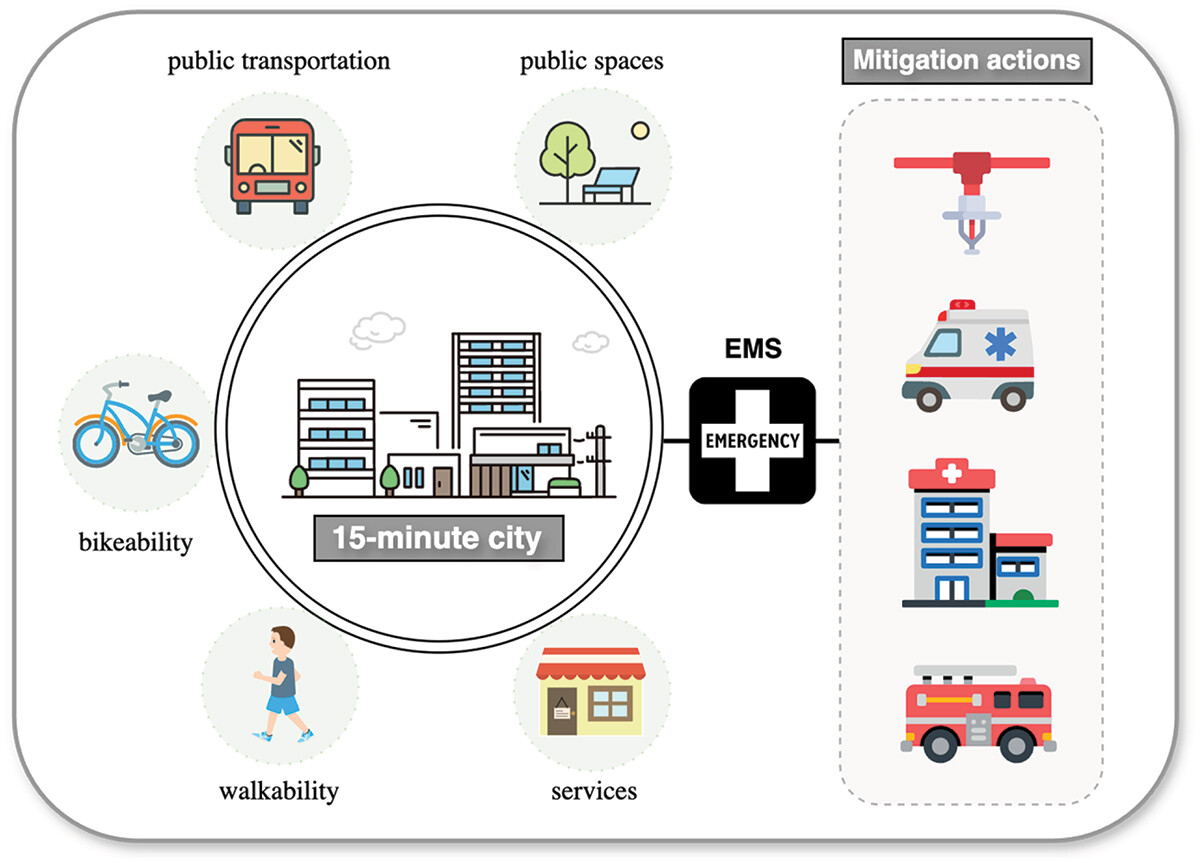
What needs attention
- The article topic must be linked to the actual occupancy and hazard
- Prevention and early warning provide more safety margin than last-second intervention
- Equipment is effective only when correctly selected, accessible and maintained
- People need short practised actions and a clear decision to stop and escape
- Children, visitors and people needing assistance require explicit planning
- Records, drills and inspections matter only when defects are corrected
Controls that reduce risk
- Complete a task- and site-specific hazard assessment
- Verify applicable Indian, state and local requirements
- Use competent inspection for installed systems and specialist hazards
- Keep alarms, exits, signs and emergency access usable
- Train intended users and practise evacuation
- Record defects with an owner and completion date
- Review the plan after changes, incidents or near misses
Understand and apply the guidance
🔴 Truth Drop
Out of 100 Smart Cities developed under the Government of India’s Mission, only 18 have fully functional emergency response and disaster management plans.
(Source: Ministry of Housing & Urban Affairs, Smart Cities Dashboard, 2025)
“Smart cameras can count cars, but can they count the lives we lose in a fire, flood, or crash?”
📖 Why This Matters
India’s Smart City Mission promised integrated safety, digital command centers, and real-time crisis coordination.
Yet most cities still lack functional Emergency Operation Centers (EOCs) or city-wide fire and medical coordination systems.
Smart infrastructure means nothing if a single spark can bring it down.
📊 Smart City Preparedness Audit (2025)
| Category | Total Cities | With Active Emergency Plan | % Prepared |
|---|---|---|---|
| Tier-1 Smart Cities | 25 | 12 | 48% |
| Tier-2 Smart Cities | 45 | 6 | 13% |
| Tier-3 Smart Cities | 30 | 0 | 0% |
| Overall | 100 | 18 | 18% |
(Sources: Smart Cities Mission Report, NDMA “Urban Disaster Resilience Audit 2025”)
📈 Only 1 in 5 Smart Cities can currently coordinate response between fire, police, ambulance, and hospitals.
⚙️ Components of a Smart City Emergency Response Plan
✅ Integrated Command & Control Center (ICCC): central dashboard connecting all departments.
✅ GIS-Based Risk Mapping: tracks fire stations, flood zones, hospitals.
✅ Real-Time Alerts: public notifications via app, SMS, siren, or display boards.
✅ Emergency Operation Center (EOC): staffed 24×7 with police, fire, and medical teams.
✅ Evacuation & Relief Plan: pre-identified shelters and logistics for mass evacuation.
🧠 Case Study: Surat – Smart City, Smarter Response
- System: Integrated Control Center connects fire, police, and municipal departments.
- Impact: Reduced average response time from 22 to 11 minutes (2024).
- Example: Fire in industrial area controlled within 30 minutes due to real-time camera alert.
- Lesson: Technology + trained manpower = real resilience.
⚠️ Case Study: Bhopal Smart City – Paper Plan Only
- Observation: No functional EOC despite ₹150 crore investment.
- Incident: 2023 monsoon flooding caused major power outage — control center offline.
- Lesson: Digital infrastructure collapses without backup planning.
🗺️ Top Performing Cities (2025)
| City | Response Integration | Average Urban Response Time | Digital Alerts to Citizens |
|---|---|---|---|
| Surat (Gujarat) | ✅ Full | 11 min | Yes |
| Pune (Maharashtra) | ✅ Partial | 13 min | Yes |
| Hyderabad (Telangana) | ✅ Full | 12 min | Yes |
| Indore (MP) | ⚠️ Limited | 19 min | No |
| Chennai (TN) | ✅ Full | 14 min | Yes |
| Varanasi (UP) | ❌ None | 26 min | No |
🧩 Why Most Cities Still Fail
1️⃣ ICCCs focus on traffic, not emergencies.
2️⃣ Fire & health departments excluded from Smart City budgets.
3️⃣ No city-level disaster authority (CDMA) for integrated planning.
4️⃣ Fragmented data systems – lack of real-time information sharing.
5️⃣ Zero citizen training or community-based preparedness.
💡 International Benchmark
| Country | Smart City Emergency Integration (%) | Public Alert Apps | Average Urban Response Time |
|---|---|---|---|
| India | 18% | 7/100 | 18–25 min |
| Singapore | 98% | Yes | 6 min |
| Japan | 95% | Yes | 8 min |
| USA | 89% | Yes | 9 min |
| UAE | 87% | Yes | 8 min |
📊 India’s Smart City tech focus lacks life-saving integration.
🧭 The Way Forward
✅ Mandate emergency command modules in every ICCC by 2026.
✅ Integrate fire, police, ambulance, and hospital data into single dashboard.
✅ Build City Disaster Management Cells (CDMCs) under SDMAs.
✅ Launch public alert mobile app for every city.
✅ Conduct bi-annual mock drills across all smart zones.
📢 Systemic Lessons
The future of urban India is not just about sensors and AI — it’s about human lives protected through systems that respond faster and smarter.
Technology must serve humanity, not headline projects.
📣 Call to Action
🏙️ If you live in a Smart City, ask:
👉 “Where is my Emergency Command Center?”
Awareness begins with one question — and that question can save thousands.
📎 References
- Smart Cities Mission “Integrated Operations Audit,” 2025
- NDMA “Urban Disaster Resilience Review,” 2025
- Ministry of Housing & Urban Affairs “ICCC Evaluation Report,” 2024
- NITI Aayog “City Preparedness Index,” 2023
🔚 Closing Line
Smart cities will mean nothing until they save smartly.
This is why we built HowToSurvive.in — to make every city not just modern, but life-ready.
Common unsafe practices
- Relying on equipment without a hazard assessment
- Blocking or compromising escape routes
- Delaying the alarm or emergency call
- Attempting a response beyond training or safe conditions
- Re-entering before authorised clearance
- Treating a checklist as a substitute for competent inspection