
🏛️ Government Buildings – Fire Safety Only for Showcase?
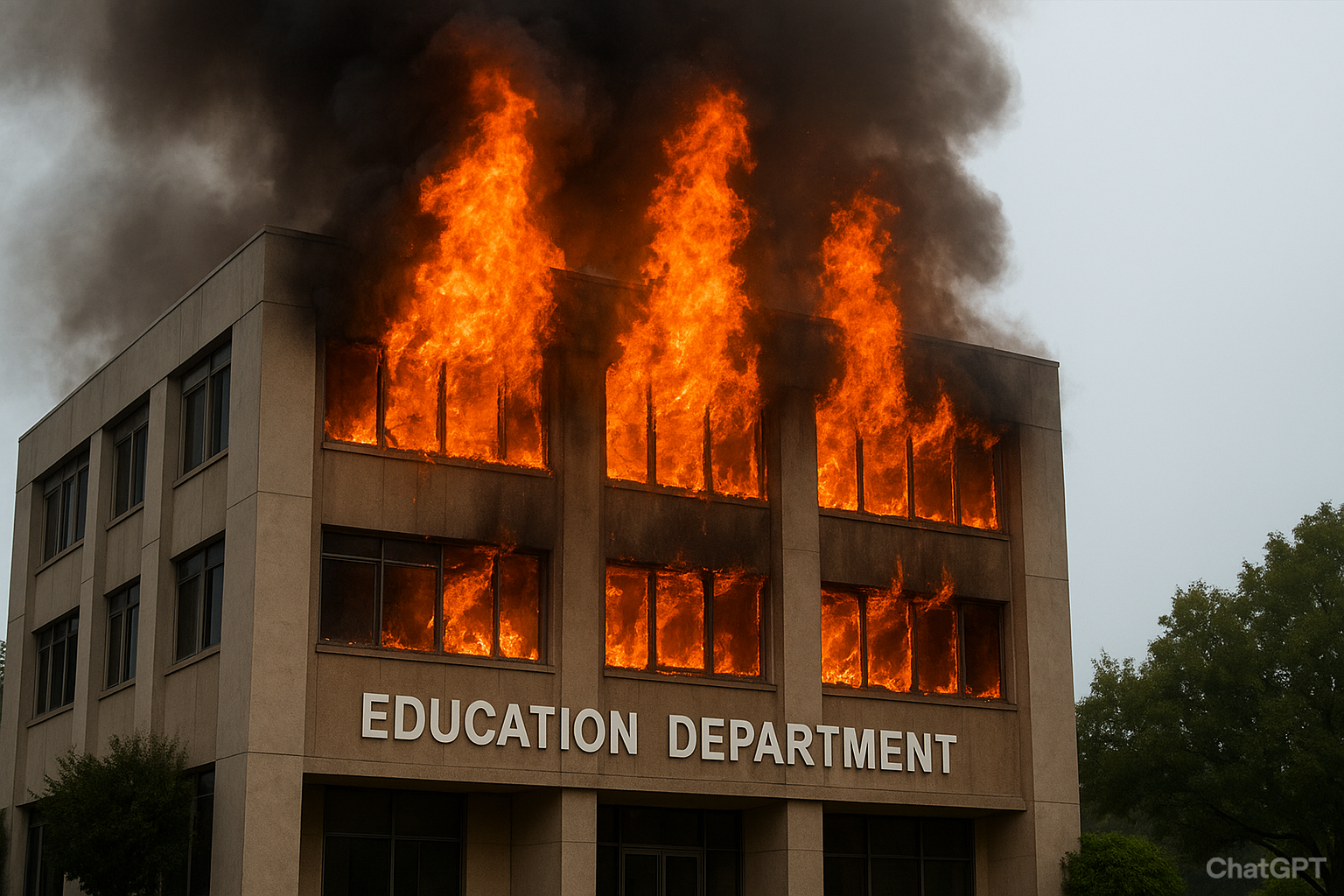
What needs attention
- The article topic must be linked to the actual occupancy and hazard
- Prevention and early warning provide more safety margin than last-second intervention
- Equipment is effective only when correctly selected, accessible and maintained
- People need short practised actions and a clear decision to stop and escape
- Children, visitors and people needing assistance require explicit planning
- Records, drills and inspections matter only when defects are corrected
Controls that reduce risk
- Complete a task- and site-specific hazard assessment
- Verify applicable Indian, state and local requirements
- Use competent inspection for installed systems and specialist hazards
- Keep alarms, exits, signs and emergency access usable
- Train intended users and practise evacuation
- Record defects with an owner and completion date
- Review the plan after changes, incidents or near misses
Understand and apply the guidance
📍 What We Found
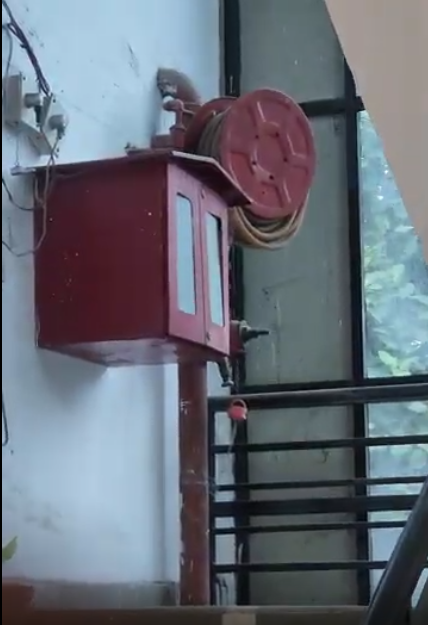
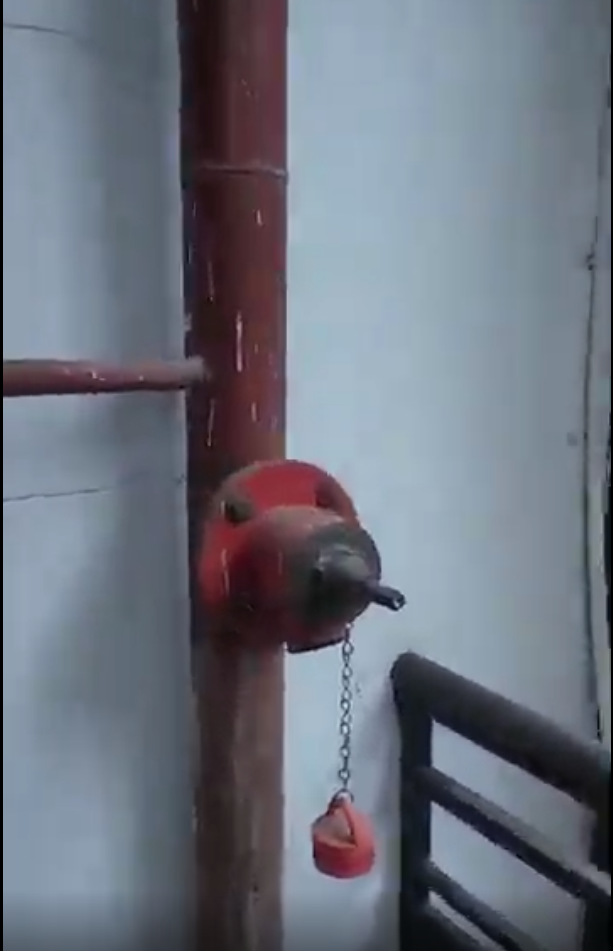
During a recent visit to the UP Education Department building, we found:
- 🚫 Entire fire protection system not working
- 🚫 Equipment in broken and unusable condition
- 🚫 No regular checks, no staff awareness
👉 This is not a small office.
It is the State Education Department headquarters — where high officials and decision makers sit.
If they themselves work daily inside a death trap, what expectations should we have for:
- Private schools
- Public schools
- Government schools across villages and cities?

🔍 Why This Matters
This is not about one building or one state.
This is the condition of government offices across India:
- From CM offices to district collectorates
- From education departments to hospitals
- From secretariats to municipal offices
Fire systems remain:
- Installed only for namesake
- Ignored after inauguration
- Non-functional when lives depend on them most
If the government’s own buildings do not respect safety, how can they demand compliance from private institutions?
⚠️ The Core Problem
- Fire safety is treated as formality, not responsibility
- No accountability of officers in charge
- Public money wasted on equipment that never works
- Zero inspections after installation
Result: Citizens pay tax, but even government offices = potential mass-casualty zones.
📊 Data Context
- India has 97% deficiency in fire services (NDMA).
- CAG audits repeatedly show non-functional fire systems in government premises.
- In several states, >70% government offices failed fire safety checks.
- NCRB data: 1,000+ people die annually in institutional fires — many in buildings that had systems installed but never maintained.
🛡 What You Can Do
✅ As a citizen, whenever you visit a government office:
- Notice: Are hydrants working? Are detectors visible?
- Ask: “When was the last fire drill here?”
- Report: Share lapses with local fire department or RTI
- Document: Send proof to HowToSurvive.in so we can raise it further
📢 Public Call to Action
This is not just about fire safety.
It is about trust.
If the very offices where policies are made are unsafe, the system sets an example of failure, not protection.
🚨 We call upon citizens:
👉 Observe your government offices.
👉 Demand transparency.
👉 Ask questions.
Because your life matters inside a government building too.
📌 Tags
#GovernmentBuildings #FireSafetyIndia #HowToSurvive #PublicAwareness #Accountability #VFFIndia
🔚 Closing Line
Fire safety cannot remain a showcase in government buildings.
When leaders work in unsafe offices, citizens are left to die in unsafe schools, hospitals, and homes.
This is why we built HowToSurvive.in — to expose truth, demand accountability, and protect every life.
Common unsafe practices
- Relying on equipment without a hazard assessment
- Blocking or compromising escape routes
- Delaying the alarm or emergency call
- Attempting a response beyond training or safe conditions
- Re-entering before authorised clearance
- Treating a checklist as a substitute for competent inspection