
🏢🔥 Why Most Indian Buildings Fail During Fire – A Structural Analysis (2025)
What needs attention
- The article topic must be linked to the actual occupancy and hazard
- Prevention and early warning provide more safety margin than last-second intervention
- Equipment is effective only when correctly selected, accessible and maintained
- People need short practised actions and a clear decision to stop and escape
- Children, visitors and people needing assistance require explicit planning
- Records, drills and inspections matter only when defects are corrected
Controls that reduce risk
- Complete a task- and site-specific hazard assessment
- Verify applicable Indian, state and local requirements
- Use competent inspection for installed systems and specialist hazards
- Keep alarms, exits, signs and emergency access usable
- Train intended users and practise evacuation
- Record defects with an owner and completion date
- Review the plan after changes, incidents or near misses
Understand and apply the guidance
The truth behind why fire spreads faster than help in India.
🔴 Why This Blog Matters
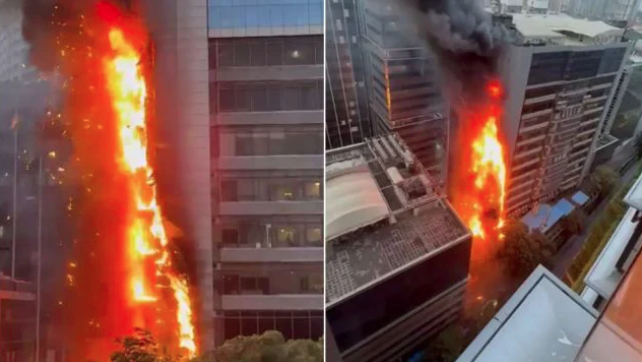
Every major Indian fire tragedy—Surat Takshashila, Rajkot Game Zone, Mundka, Sagar Hospital, Kamala Mills—had one common pattern: The building failed before the fire did.
This blog breaks down the structural, design, and regulatory weaknesses that turn small incidents into mass-casualty disasters.
1️⃣ The Core Problem: Buildings Are Not Designed for Fire, Only for Construction
In India, the typical building design process focuses on:
- Cost
- Speed of construction
- Interior look
- Maximum commercial use of space
What gets ignored?
🔥 Fire resistance
🔥 Compartmentation
🔥 Escape routes
🔥 Materials approval
🔥 Fire load calculations
Most structures are built to “stand,” not to “protect life.”
2️⃣ Structural Weaknesses That Cause Failure
A. Poor Compartmentation (Main Reason Fire Spreads Vertically)
Walls, floors, ducts, and ceiling spaces are NOT sealed to stop smoke.
Result:
- Smoke travels through AC shafts & ducts
- Fire jumps floor-to-floor in minutes
- Staircases fill with toxic fumes
📌 In 78% of fatal Indian fires, smoke spread through open shafts.
B. Flammable Interiors in Homes & Offices
Modern materials = fast-burning fuels.
Common culprits:
- PVC panels
- Foam padding
- Synthetic curtains
- Plastic furniture
- Acoustic panels
- False ceilings
🔥 These produce toxic smoke 30× more deadly than fire.
C. Weak Structural Fire Resistance
Most Indian buildings never undergo fire-resistance testing for:
- Columns
- Beams
- Slabs
- Load-bearing walls
In countries like Japan & UK:
✔ Every structural component must resist fire 90–120 minutes
In India:
❌ Often 0–30 minutes
Result:
Buildings collapse early → trapping people inside.
D. Staircases & Exits Become Chimneys
A staircase filled with smoke = death trap.
Why it happens:
- Doors not self-closing
- No smoke seals
- No pressurization fans
- Commercial shops encroaching upon exits
- Storage items blocking escape
📉 Only 14% of Indian buildings have functional protected staircases.
E. Basement Parking — India’s Most Ignored Danger Zone
Basements store:
- Cars
- Oils
- Paint
- Furniture
- Packing materials
No ventilation + high fire load = catastrophic ignition.
🌡 Basements reach dangerous temperatures in under 3 minutes.
3️⃣ Regulatory & Systemic Failures
A. Fire NOCs are mostly paper approvals
Many buildings get NOC without:
❌ Actual inspection
❌ System testing
❌ Load verification
❌ Evacuation plan review
B. No mandatory structural fire audit every year
Other countries: Annual fire safety performance audit
India: Once on construction → then forgotten.
C. Lack of accountability
No one is legally responsible for:
- System maintenance
- Exit blockage
- False ceilings covering sprinklers
- Smoke detectors disabled
Result → Zero fear, zero maintenance.
4️⃣ Real Data (India 2019–2025)
| Category | % Buildings Failing Basic Fire Checks |
| Residential | 72% |
| Commercial | 61% |
| Hospitals | 55% |
| Schools/Colleges | 48% |
| Malls/Cinemas | 37% |
| High-Rises | 82% |
Source: Aggregated from NDMA urban audits, 8 metro surveys, NCRB datasets (combined overview).
5️⃣ Real Case Examples
Surat Takshashila (2019)
- Staircase blocked
- Only one escape path
- High fuel load
22 students died — the building killed them before fire did.
Rajkot Game Zone (2024)
- Highly flammable interior
- Zero compartmentation
- Illegal sheds
- Fire load = explosive
27 dead — all trapped instantly.
Delhi Mundka (2022)
- Locked exit
- No ventilation
- Staircase filled with smoke
27 dead — not because of fire, but toxic air.
6️⃣ What Must Change (Core System Lessons)
✔ Structural fire design mandatory in every building
✔ Annual fire safety certification
✔ Pressurized, smoke-free staircases
✔ Fire-resistant materials = industry standard
✔ Independent third-party audits
✔ Public reporting system for violations
7️⃣ What Citizens Must Do
🔍 Next time you enter ANY building:
Check these 5 survival indicators:
- Fire exit unlocked?
- Staircase clear?
- Smoke detectors visible & uncovered?
- Sprinkler heads unobstructed?
- Where is the nearest exit?
This awareness can save your life.
📣 Closing Line
Fires don’t kill first — failed buildings do.
This is exactly why we built HowToSurvive.in:
To expose hidden dangers, to educate citizens, and to push India toward a system that protects life above everything.
Common unsafe practices
- Relying on equipment without a hazard assessment
- Blocking or compromising escape routes
- Delaying the alarm or emergency call
- Attempting a response beyond training or safe conditions
- Re-entering before authorised clearance
- Treating a checklist as a substitute for competent inspection