
🏬 Safety in Shopping Malls & Cinemas – Post-Uphaar Analysis (1997–2025)
What needs attention
- The article topic must be linked to the actual occupancy and hazard
- Prevention and early warning provide more safety margin than last-second intervention
- Equipment is effective only when correctly selected, accessible and maintained
- People need short practised actions and a clear decision to stop and escape
- Children, visitors and people needing assistance require explicit planning
- Records, drills and inspections matter only when defects are corrected
Controls that reduce risk
- Complete a task- and site-specific hazard assessment
- Verify applicable Indian, state and local requirements
- Use competent inspection for installed systems and specialist hazards
- Keep alarms, exits, signs and emergency access usable
- Train intended users and practise evacuation
- Record defects with an owner and completion date
- Review the plan after changes, incidents or near misses
Understand and apply the guidance
🔴 Truth Drop
Since the Uphaar Cinema fire (1997), India has witnessed over 120 fires in malls and theatres, claiming nearly 1,200 lives and injuring more than 4,000 people.
(Source: NCRB, NDMA Fire Incident Database 2025)
“We improved architecture, not accountability.”
📖 Why This Matters
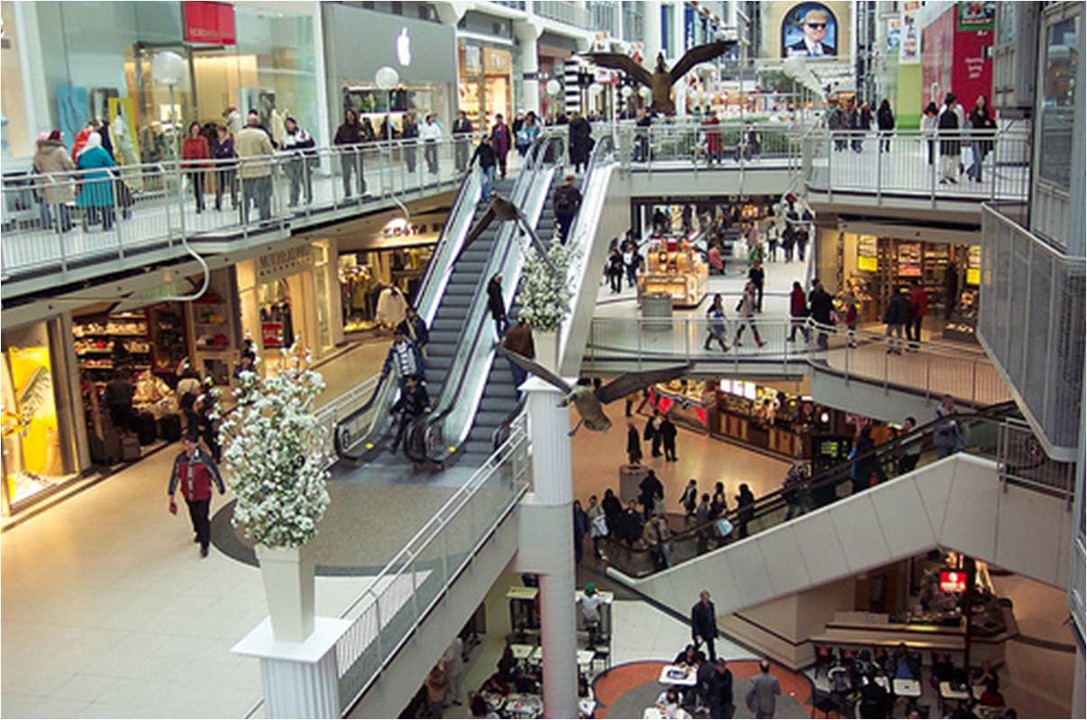
India’s malls and cinemas attract millions of visitors every day — families, children, elderly.
Yet, safety often takes a backseat to aesthetics and profit.
False ceilings hide wiring, fire exits stay locked to “prevent theft,” and alarms are muted to “avoid panic.”
Each compromise inches closer to another Uphaar.
🕯️ Flashback: Uphaar Cinema Tragedy (Delhi, 1997)
- Incident: Transformer in the parking area caught fire during film screening.
- Deaths: 59 people trapped inside due to blocked exits and poor ventilation.
- Cause: Locked exit doors, no working emergency lights, smoke accumulation.
- Result: India’s first landmark fire safety case — Association of Victims of Uphaar Tragedy (AVUT).
- Legacy: Fire NOCs made mandatory for public assembly buildings — but enforcement remains weak.
📊 Mall & Cinema Fire Data (2019–2025)
| Year | Incidents | Deaths | Major Cause | Example City |
|---|---|---|---|---|
| 2019 | 18 | 42 | Electrical faults | Surat, Kolkata |
| 2020 | 14 | 29 | HVAC duct fires | Delhi NCR |
| 2021 | 19 | 38 | Short circuit | Chennai, Pune |
| 2022 | 21 | 51 | Storage of flammable goods | Ahmedabad |
| 2023 | 23 | 47 | Sealed exits | Lucknow, Mumbai |
| 2024 | 28 | 63 | False ceilings, poor exhaust | Hyderabad |
| 2025 (till Aug) | 16 | 34 | Ignored safety audits | Nagpur, Jaipur |
(Sources: NDMA Fire Risk Monitoring Unit, State Fire Services Annual Data)
📈 Key Insights:
- 70% of incidents occurred in weekends or festival seasons.
- False fire alarms ignored by staff in 1 of every 3 malls.
- 85% of victims in such fires died from smoke inhalation, not burns.
⚙️ Common Violations Observed
1️⃣ Locked or hidden emergency exits behind advertisement panels.
2️⃣ Fire sprinklers covered or painted during maintenance.
3️⃣ No smoke extraction systems in basements and food courts.
4️⃣ Improper storage of LPG cylinders in mall restaurants.
5️⃣ Crowd management failure — security unaware of evacuation procedures.
🧠 Case Study: Hyderabad Mall Fire (2024)
- Incident: Fire from short circuit in AC duct spread to entire top floor.
- Cause: Sprinklers shut for renovation.
- Impact: 9 dead, 40 injured — all trapped due to locked service exit.
- Audit Findings: System “under maintenance” for 3 months, no drills held.
- Lesson: A single ignored wire can ignite a city’s conscience.
🧭 Required Safety Standards (NBC & NDMA)
✅ Functional fire alarms, extinguishers, and sprinklers in all public buildings.
✅ Emergency exits on every floor, clearly lit and accessible.
✅ Quarterly mock drills with public participation.
✅ No storage of flammable materials in basements or corridors.
✅ Dedicated Fire Command Room for large complexes.
✅ Automatic smoke exhaust for closed halls and multiplexes.
💡 Safety Tips for Visitors
✅ Note exit signs when you enter a mall or cinema.
✅ Never use lifts during a fire.
✅ If smoke fills the air — crawl low, cover mouth with cloth.
✅ Don’t rush or push — find side exits, not main gates.
✅ Report covered sprinklers or blocked exits to management or authorities.
📢 Systemic Lessons
India must:
- Mandate digital fire NOC renewals linked to inspection photos.
- Install real-time alarm & smoke monitoring in all public assembly buildings.
- Enforce criminal accountability for blocked exits and false NOCs.
- Create Public Venue Safety Index — rated, visible to all citizens.
📣 Call to Action
🚨 Before the movie starts, look for the exits.
🎬 Don’t just enjoy the show — know how to survive it.
Because real heroes act before danger begins.
📎 References
- NDMA “Public Assembly Building Safety Report,” 2025
- Bureau of Indian Standards “NBC Guidelines for Assembly Buildings,” 2023
- AVUT Legal Archives, Delhi High Court Proceedings (1997–2024)
- State Fire Services “Mall & Cinema Audit Data,” 2024
📌 Tags
#MallSafety #CinemaSafety #UphaarTragedy #HowToSurvive #VFFIndia #EveryLifeMatters #PublicSafety
🔚 Closing Line
We’ve upgraded our malls, multiplexes, and memories — but not our mindset.
This is why we built HowToSurvive.in — to make awareness the ticket that truly saves lives.
Common unsafe practices
- Relying on equipment without a hazard assessment
- Blocking or compromising escape routes
- Delaying the alarm or emergency call
- Attempting a response beyond training or safe conditions
- Re-entering before authorised clearance
- Treating a checklist as a substitute for competent inspection