
💧 Water Contamination Post Floods – Case Studies (India 2019–2025)
What needs attention
- The article topic must be linked to the actual occupancy and hazard
- Prevention and early warning provide more safety margin than last-second intervention
- Equipment is effective only when correctly selected, accessible and maintained
- People need short practised actions and a clear decision to stop and escape
- Children, visitors and people needing assistance require explicit planning
- Records, drills and inspections matter only when defects are corrected
Controls that reduce risk
- Complete a task- and site-specific hazard assessment
- Verify applicable Indian, state and local requirements
- Use competent inspection for installed systems and specialist hazards
- Keep alarms, exits, signs and emergency access usable
- Train intended users and practise evacuation
- Record defects with an owner and completion date
- Review the plan after changes, incidents or near misses
Understand and apply the guidance
🔴 Truth Drop
After every major flood, what remains behind is not just debris — it’s disease in disguise.
Between 2019 and 2025, over 120 million Indians were exposed to unsafe drinking water post-floods, and 1.4 lakh people suffered from waterborne diseases like cholera, typhoid, and leptospirosis.
(Source: NDMA, Ministry of Health, CPCB 2025)
“Floods end in weeks — contamination lasts for years.”
📖 Why This Matters
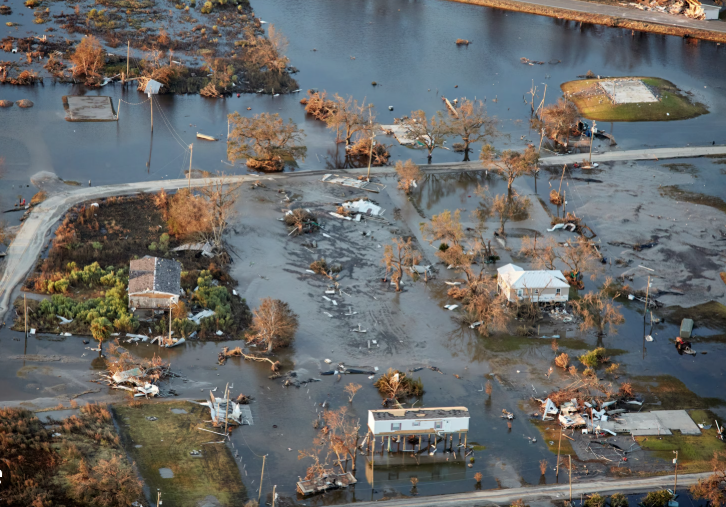
Floods mix everything — sewage, industrial waste, animal carcasses, fertilizers, and fuel — into the same water that people later drink, cook, or bathe with.
In many areas, underground wells and handpumps remain toxic months after floodwaters recede.
Water safety isn’t just a hygiene issue — it’s a public health emergency.
📊 India’s Major Floods & Water Contamination Impact (2019–2025)
| Year | Location | Cause | Contaminants Detected | Health Impact |
|---|---|---|---|---|
| 2019 | Assam & Bihar | Monsoon flood | E. coli, lead | 8,500 diarrhoea cases, 26 deaths |
| 2020 | Kerala | River overflow | Pesticide residue, bacteria | 12,000 acute gastroenteritis cases |
| 2021 | Maharashtra (Kolhapur, Sangli) | Heavy rain & dam release | Oil, sewage | 7,000+ skin & stomach infections |
| 2022 | UP & Uttarakhand | Ganga overflow | Heavy metals (arsenic, mercury) | Long-term groundwater pollution |
| 2023 | Punjab & Haryana | Flash floods | Nitrates, industrial waste | 20 villages’ groundwater unsafe |
| 2024 | North Bengal & Sikkim | Glacial lake flood | Silicate & fuel oil | Drinking supply contaminated for 2 months |
| 2025 | Gujarat & Rajasthan | Early monsoon floods | Sewage & animal waste | 6,000 typhoid & cholera cases |
(Sources: CPCB, NDMA, WHO India Flood Health Reports)
📈 5-Year Pattern Highlights:
- 70% of flood-affected regions reported unsafe drinking water within 10 days.
- 15% of rural wells remained contaminated even after 6 months.
- Industrial areas (GIDC, SEZ zones) showed 2–4x higher chemical residue levels post-flood.
🧪 Types of Contaminants Found
| Type | Source | Impact |
|---|---|---|
| Biological (Bacteria, Viruses, Parasites) | Sewage, waste overflow | Diarrhoea, cholera, hepatitis |
| Chemical (Pesticides, Oils, Solvents) | Industrial runoff, agriculture | Organ damage, long-term cancer risk |
| Heavy Metals (Lead, Arsenic, Mercury) | Industrial & mining belts | Neurological disorders, birth defects |
| Solid Waste (Plastics, Debris) | Urban drainage overflow | Clogging, toxin leaching |
🧠 Case Study 1: Kerala Floods, 2020
- Duration: 10 days of continuous rainfall
- Affected: 5 districts, 4 million people
- Water test results: 90% of wells contaminated with coliform bacteria
- Health impact: 12,000 reported cases of waterborne diseases
- Response: Emergency chlorination + mobile filtration units by health dept.
- Lesson: Testing must begin immediately after water recedes, not weeks later.
🧠 Case Study 2: Assam Floods, 2023
- Flooded area: 30 districts, 55 lakh people
- Observation: Animal carcasses floating in floodwater for days
- Detected contaminants: Nitrate, ammonia, and E. coli at 40x safe limit
- Health outcome: Rise in leptospirosis, dengue, and typhoid
- Lesson: Animal disposal management is critical during flood response.
💧 Long-Term Impact
- Groundwater pollution persists 1–3 years in deep aquifers.
- Crop yield drops 20–30% in chemically polluted farmlands.
- Fisheries collapse due to oxygen depletion and algal bloom.
- Public health burden: ₹4,200 crore/year in post-flood medical costs.
🧭 Preventive & Remedial Measures
✅ Test all wells and pumps post-flood before public use.
✅ Chlorinate community tanks using standard NDMA formula (50 mg/L).
✅ Distribute portable water filters in flood shelters.
✅ Install bio-sand filtration units in flood-prone villages.
✅ Enforce industrial waste barriers near riverbanks and GIDC zones.
✅ Launch public awareness drives: “Boil. Filter. Don’t Risk.”
📢 Systemic Lessons
India must:
- Mandate floodwater contamination testing within 72 hours post-flood.
- Integrate public health surveillance into NDMA response protocols.
- Make CSR funding for mobile water purification compulsory for large industries.
- Train volunteer water testing teams under “Jal Suraksha Mission.”
📣 Call to Action
🚨 Don’t drink water just because it looks clear.
👉 Boil, filter, and report contamination.
Every drop checked is one life saved.
📎 References
- NDMA “Flood Impact and Water Safety Report,” 2024
- CPCB “Post-Flood Water Quality Assessment,” 2023
- WHO India “Waterborne Disease Data Review,” 2025
- Ministry of Jal Shakti “Safe Water Mission Progress Report,” 2024
🔚 Closing Line
Floods may recede — but the poison they leave behind flows quietly into daily life.
This is why we built HowToSurvive.in — to turn awareness into prevention, and every citizen into a guardian of clean water.
Common unsafe practices
- Relying on equipment without a hazard assessment
- Blocking or compromising escape routes
- Delaying the alarm or emergency call
- Attempting a response beyond training or safe conditions
- Re-entering before authorised clearance
- Treating a checklist as a substitute for competent inspection