
🔥 Fire Drills & Evacuation Data – How Prepared Are We?
What needs attention
- The article topic must be linked to the actual occupancy and hazard
- Prevention and early warning provide more safety margin than last-second intervention
- Equipment is effective only when correctly selected, accessible and maintained
- People need short practised actions and a clear decision to stop and escape
- Children, visitors and people needing assistance require explicit planning
- Records, drills and inspections matter only when defects are corrected
Controls that reduce risk
- Complete a task- and site-specific hazard assessment
- Verify applicable Indian, state and local requirements
- Use competent inspection for installed systems and specialist hazards
- Keep alarms, exits, signs and emergency access usable
- Train intended users and practise evacuation
- Record defects with an owner and completion date
- Review the plan after changes, incidents or near misses
Understand and apply the guidance
🔴 Truth Drop
👉 90% of Indians have never participated in a fire drill (CAG, NDMA, 2022).
👉 Yet, most deaths in fires are caused not by flames, but by panic, stampedes, and smoke inhalation.
The gap is simple:
We build walls, buy alarms, issue NOCs — but we never practice escape.
📖 Why This Matters
When fire breaks out in a school, mall, hospital, or office — people don’t know what to do.
They:
- Run back for belongings
- Stampede at one blocked exit
- Hide in bathrooms or under desks
- Freeze in panic
This lack of preparedness has turned minor fires into mass tragedies:
- Uphaar Cinema Fire (Delhi, 1997): 59 died, most due to locked exits + stampede.
- Surat Takshashila Fire (2019): 22 students died — no drills, no awareness.
- Rajkot Game Zone Fire (2024): 33 killed, mostly children trapped with no evacuation plan.
One drill every few months could have saved them.
⚠️ What Fire Drills Actually Do
- Train people to stay calm instead of panic
- Teach the fastest exit routes from every floor
- Assign responsibilities (teachers, security, wardens)
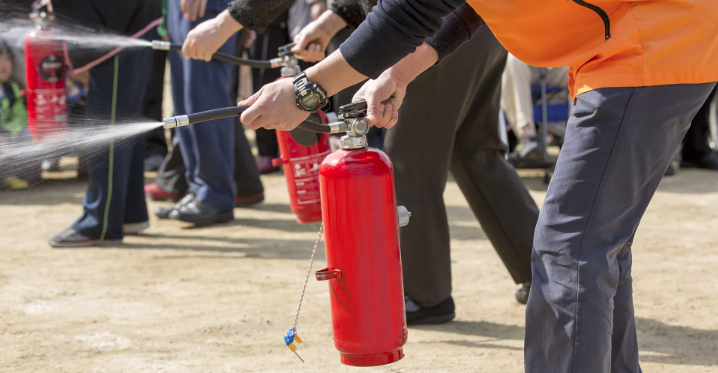
- Test alarms, hydrants, extinguishers in real conditions
- Reduce evacuation time from 15 minutes to 2 minutes — a life-saving difference
📊 Data Box
- NDMA audit: Only 12% of schools in India conduct regular fire drills.
- Delhi Fire Service (2022): 70% of high-rises never conducted a drill.
- NCRB: Over 50% of fire deaths = due to blocked exits & panic → drills directly reduce this.
- Global comparison: Japan, USA, UK schools conduct quarterly drills by law → survival rates far higher.
🛡 Survival Lessons for Citizens
✅ Ask your school/office: When was the last fire drill?
✅ At home: Conduct a family evacuation drill twice a year
✅ Teach children:
- Don’t hide under desks or in bathrooms
- Crawl low under smoke
- Don’t run back for belongings
✅ Always know two exits wherever you are (cinema, mall, hotel)
📢 Systemic Lessons
India must:
- Make fire drills mandatory in all schools, hospitals, malls, and high-rises
- Enforce drills through surprise inspections
- Include evacuation drills in school curriculum alongside sports/PT
- Train security staff & RWAs as drill leaders
- Digitize evacuation readiness data — available for public check
📣 Call to Action
🚨 Fire safety is not only about alarms, hydrants, or extinguishers.
👉 It’s about practice.
Because in an emergency, we don’t rise to our expectations — we fall to our training.
Demand drills. Participate. Teach. Share.
Your voice can change how your building, school, or office prepares.
🔚 Closing Line
A drill takes 10 minutes.
A fire takes 10 seconds.
The difference between the two is life or death.
This is why we built HowToSurvive.in — to make preparedness a habit, not an afterthought.
Common unsafe practices
- Relying on equipment without a hazard assessment
- Blocking or compromising escape routes
- Delaying the alarm or emergency call
- Attempting a response beyond training or safe conditions
- Re-entering before authorised clearance
- Treating a checklist as a substitute for competent inspection