
🔥 HowToSurvive Fire?

What needs attention
- The article topic must be linked to the actual occupancy and hazard
- Prevention and early warning provide more safety margin than last-second intervention
- Equipment is effective only when correctly selected, accessible and maintained
- People need short practised actions and a clear decision to stop and escape
- Children, visitors and people needing assistance require explicit planning
- Records, drills and inspections matter only when defects are corrected
Controls that reduce risk
- Complete a task- and site-specific hazard assessment
- Verify applicable Indian, state and local requirements
- Use competent inspection for installed systems and specialist hazards
- Keep alarms, exits, signs and emergency access usable
- Train intended users and practise evacuation
- Record defects with an owner and completion date
- Review the plan after changes, incidents or near misses
Understand and apply the guidance
“अग्निमीळे पुरोहितं यज्ञस्य देवम् ऋत्विजम्।” — ऋग्वेद 1.1.1
Agni was among the first forces humanity learned to live with.
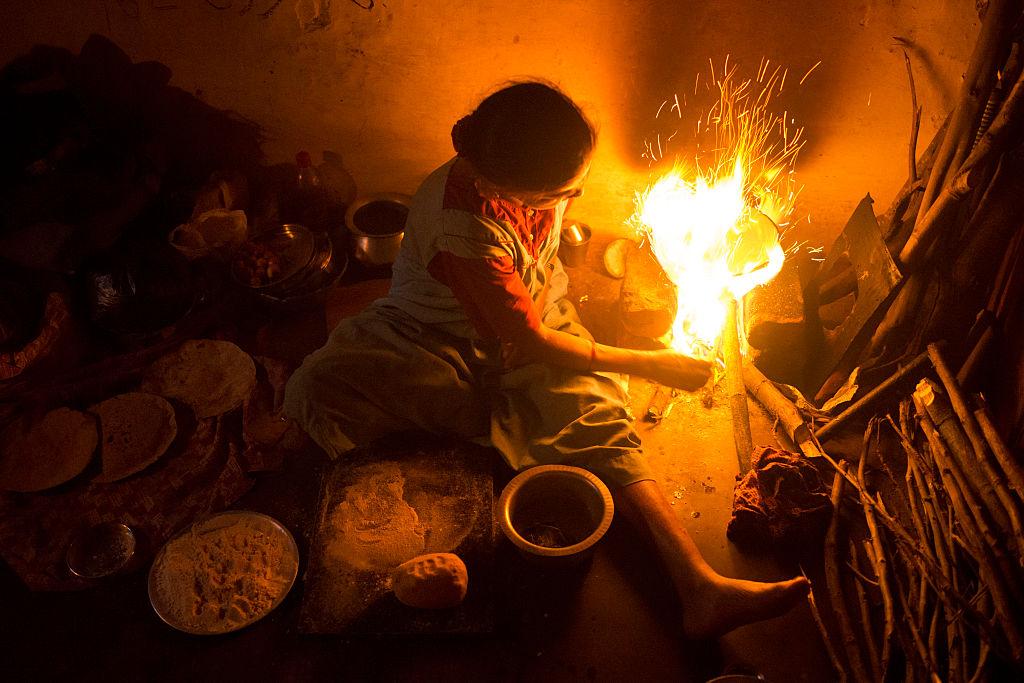
In Indian civilization, fire was never treated only as destruction. It was worshipped, respected, controlled, and understood. Because without fire there is no food, no warmth, no industry, no development, and no modern life.
But the same fire that cooks food can also destroy homes, forests, buildings, cities, and lives — when human negligence becomes bigger than human awareness.


Most fire incidents do not begin from destiny.
They begin from small ignored moments:
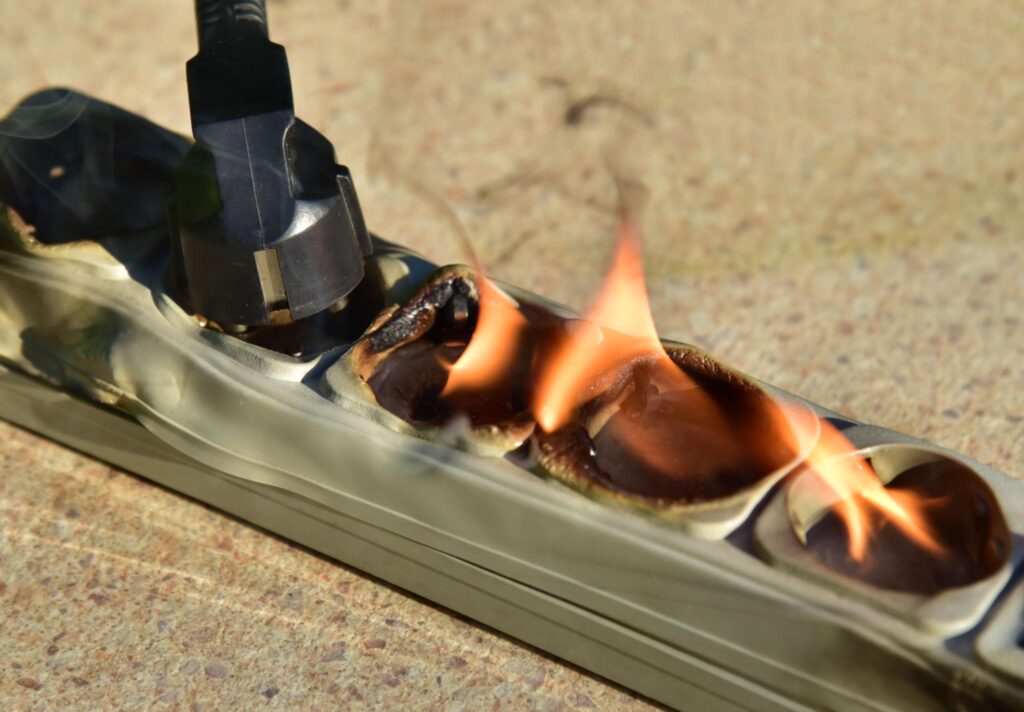
- Loose electrical wires
- Overloaded sockets
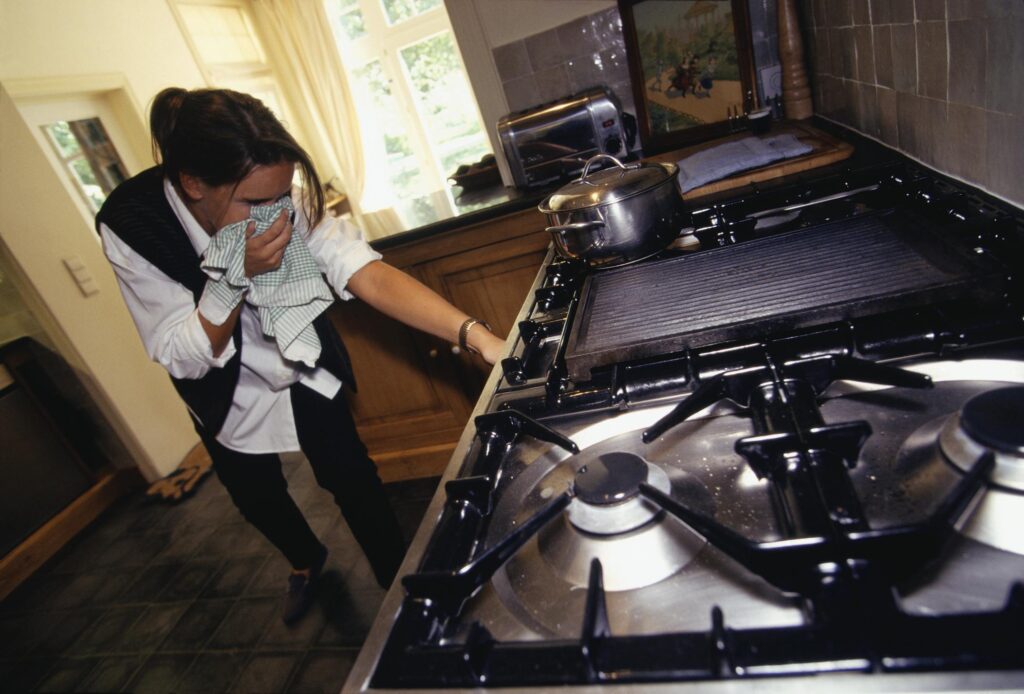
- Gas leakage
- Poor maintenance
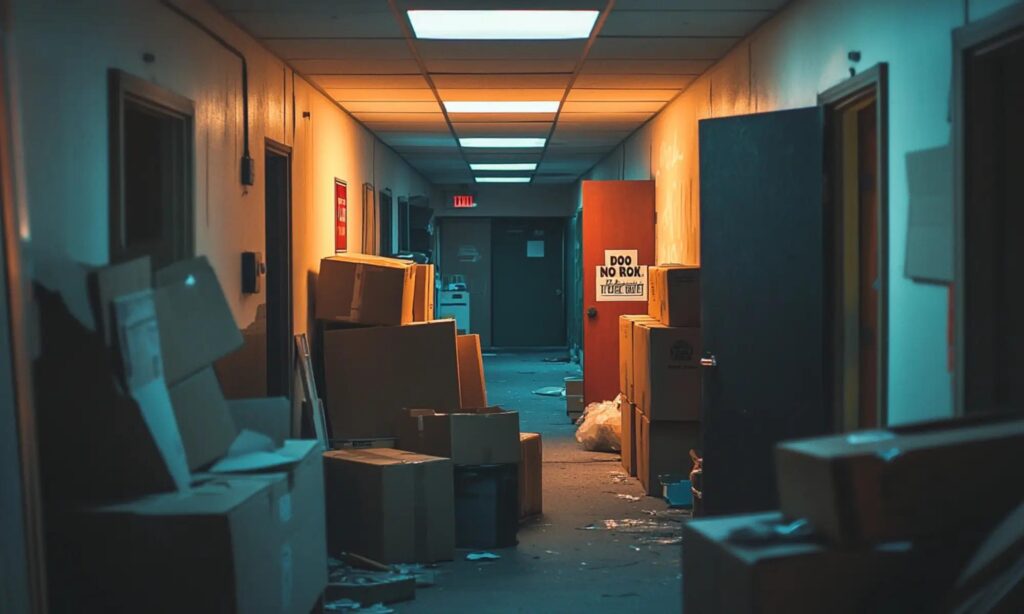
- Blocked exits
- Combustible storage
- Illegal construction
- Panic
- And the mindset of:
“कुछ नहीं होगा।”
People fear flames.
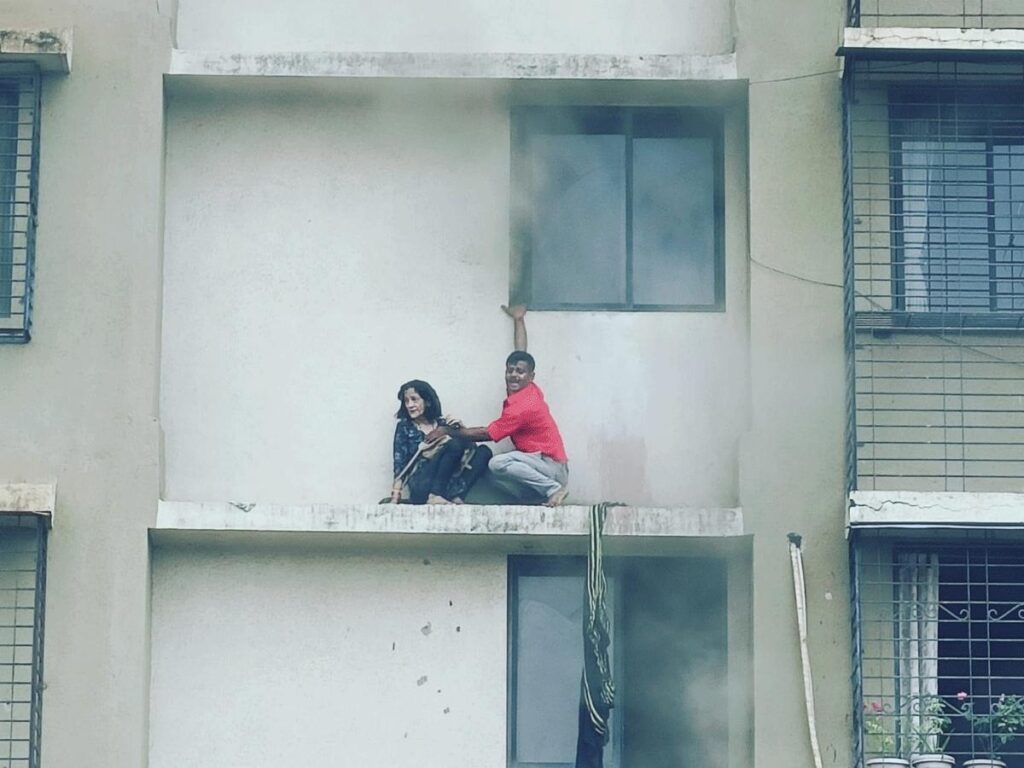
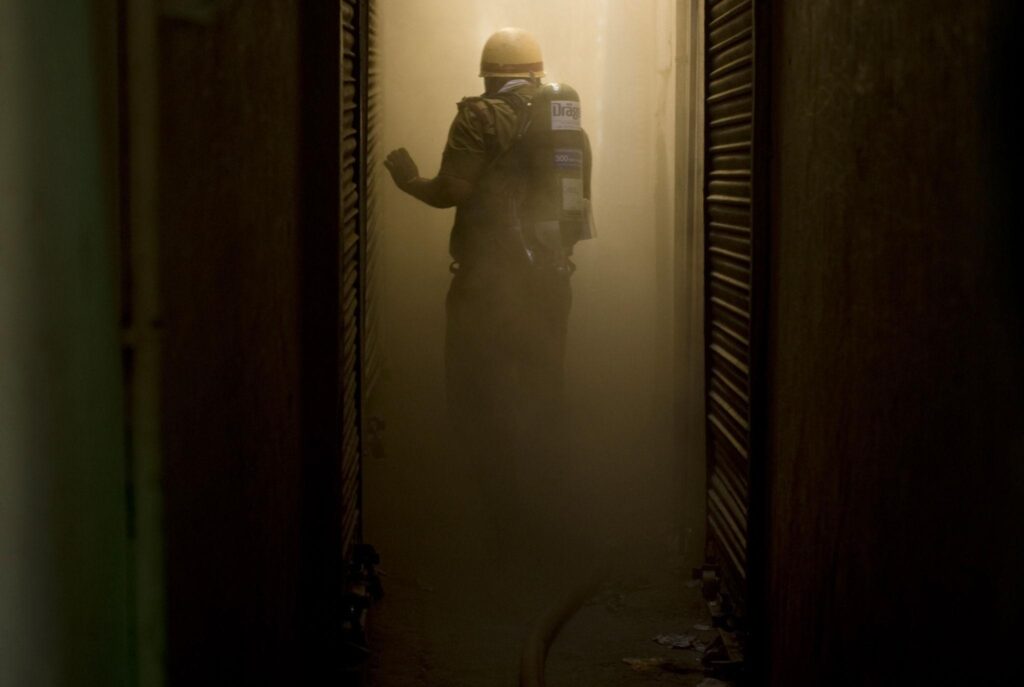
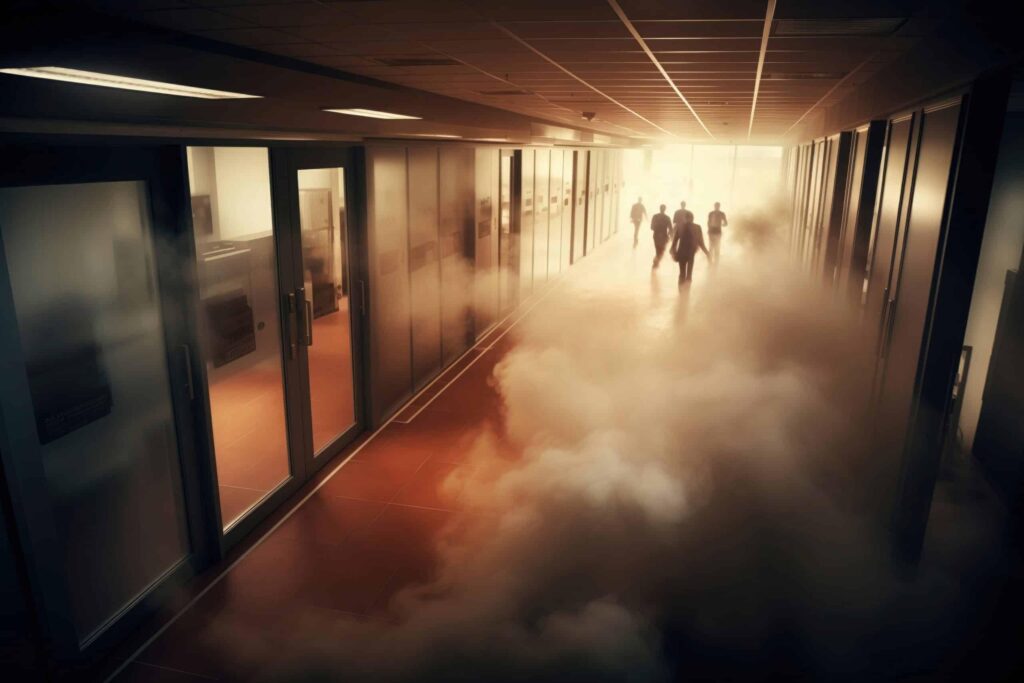
But in reality, many people die because of:
- Smoke inhalation
- Panic
- Delayed response
- Lack of awareness
- Trapped evacuation routes
…before flames even reach them.
🔺 First Understand Fire
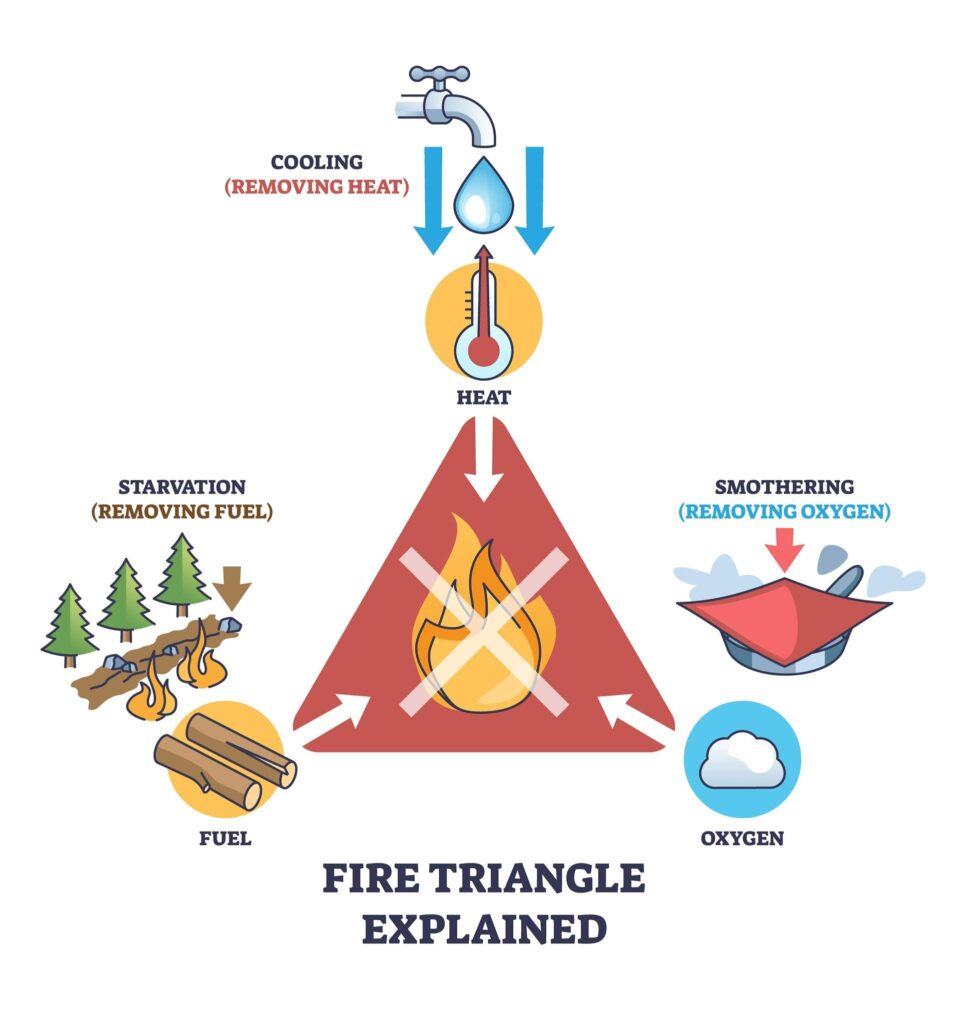
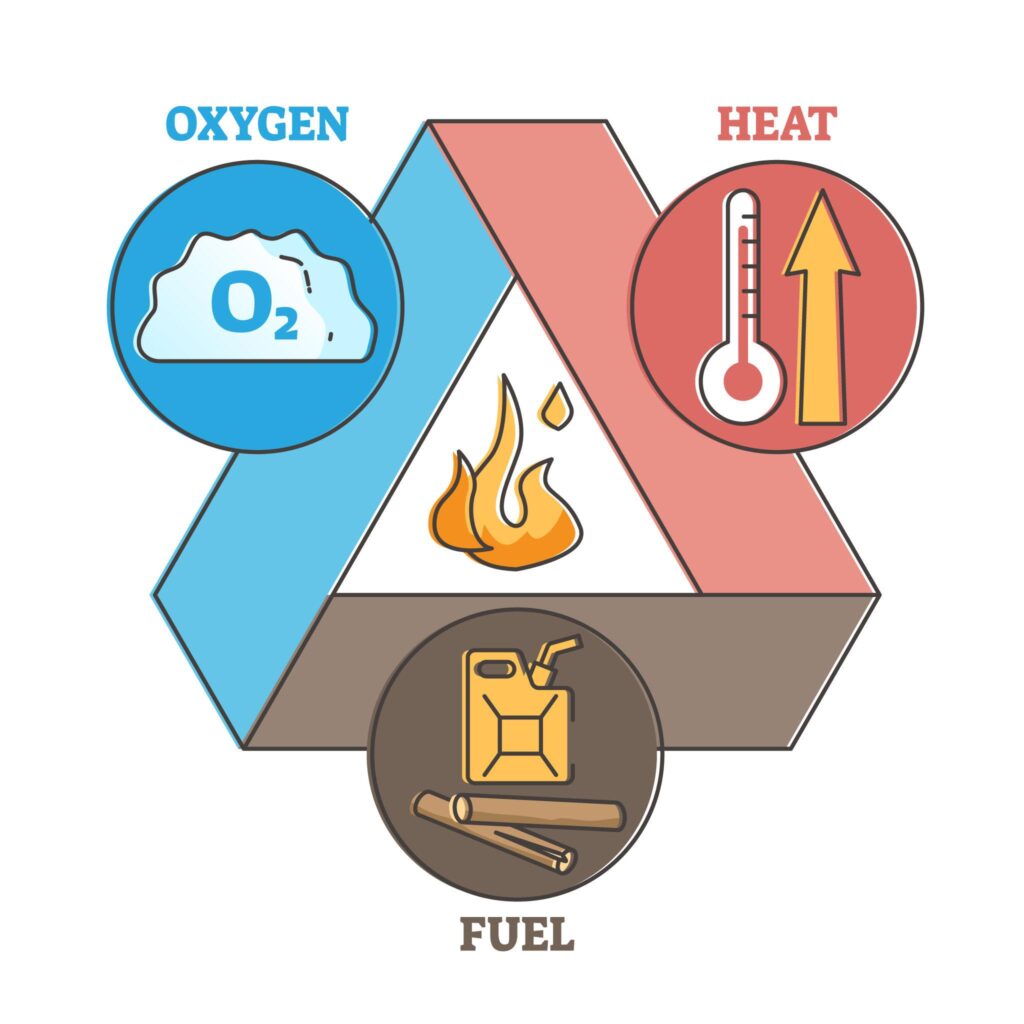
Fire needs three things:
- Heat
- Fuel
- Oxygen
This is called the Fire Triangle.
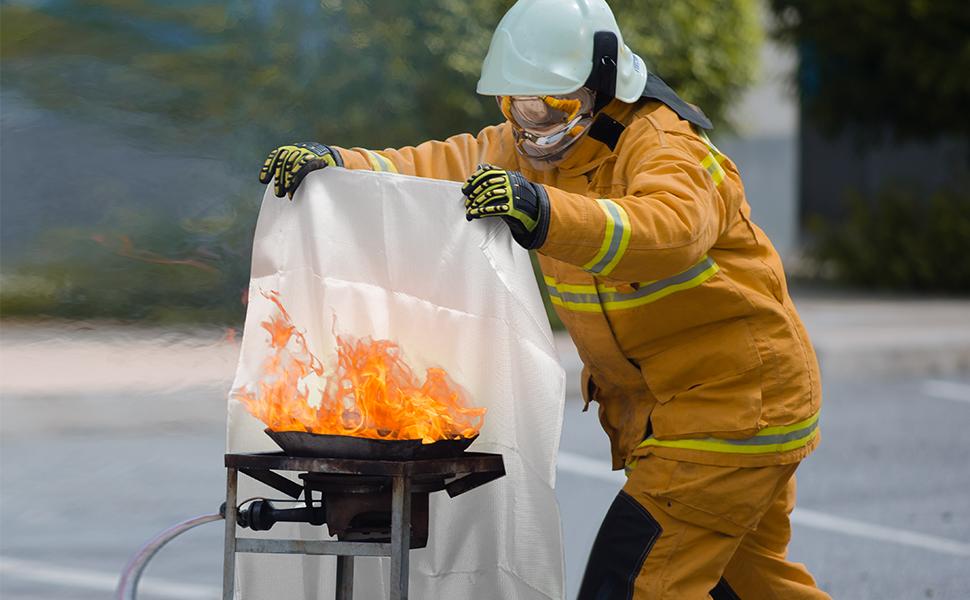
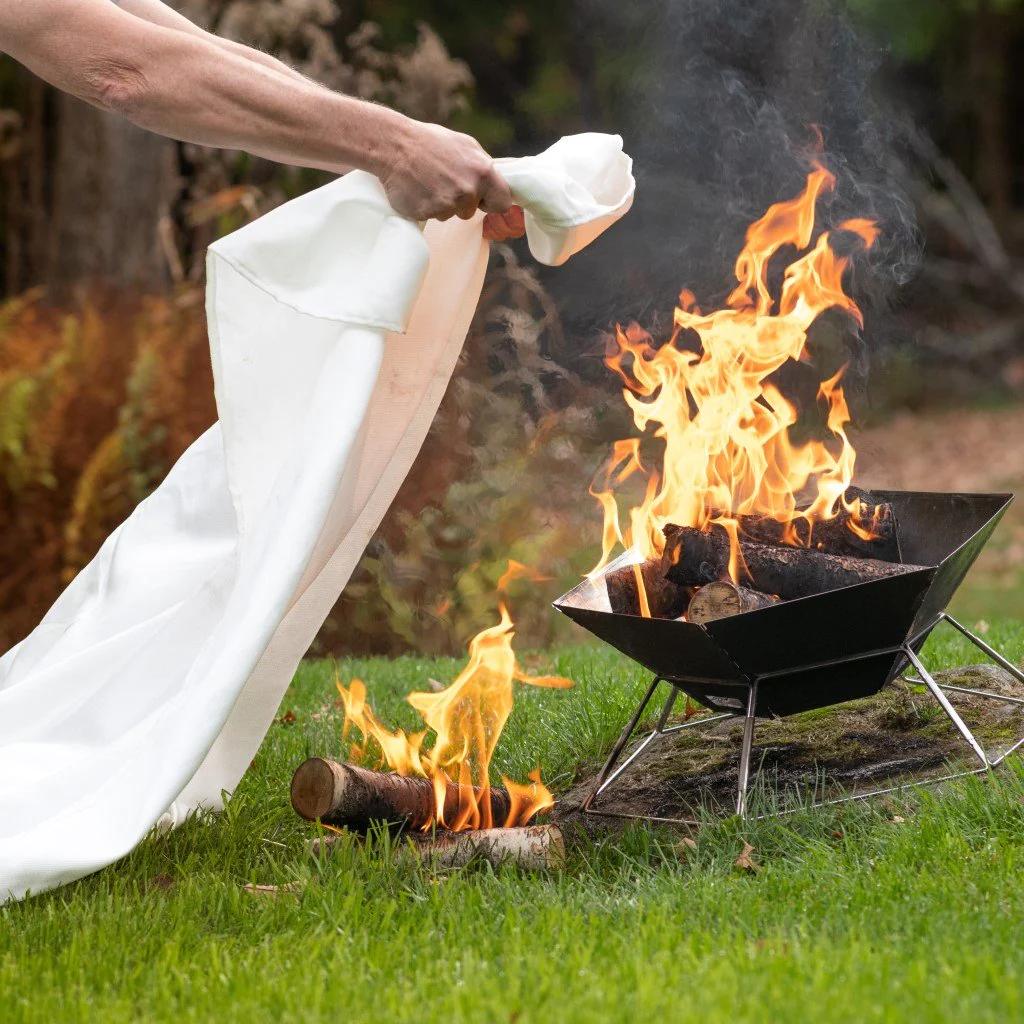
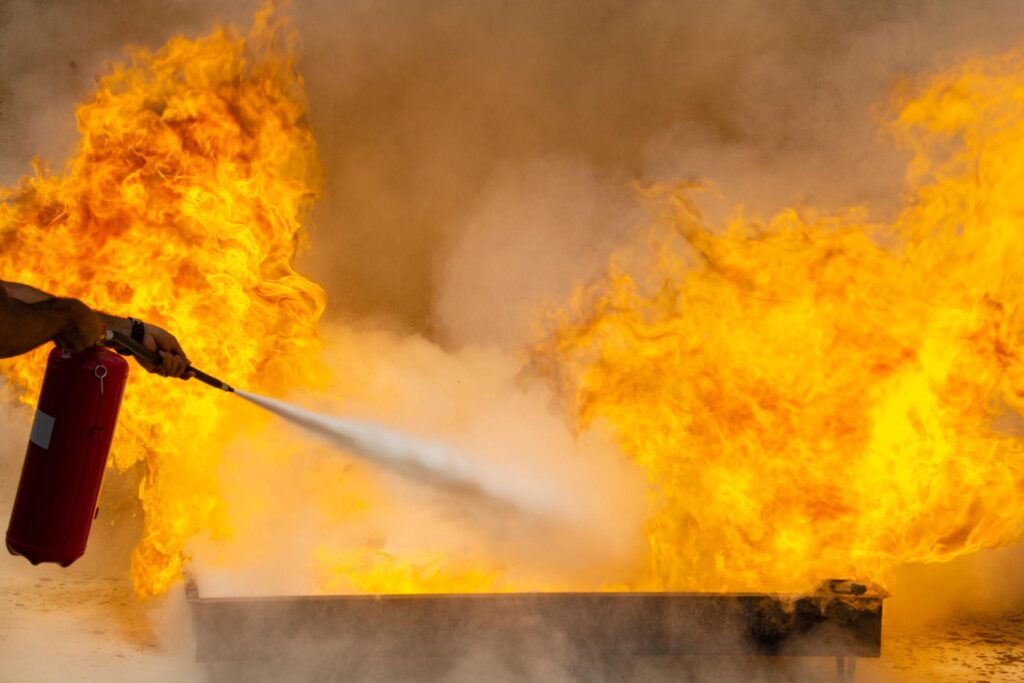
Remove even one of these three, and fire can be controlled.
That is why:
- Water cools heat
- Blankets cut oxygen
- Extinguishers interrupt the reaction
- Prevention stops fuel from spreading
Fire safety is not only equipment.
Fire safety is thinking.
⚠️ The Disaster Starts Before the Fire
If someone notices:
- A sparking wire
- Fuel leakage
- Blocked staircase
- Locked emergency exit
- Overloaded electrical panel
- Unsafe chemical storage
…and still ignores it,
then the disaster has already started long before the fire.
“धर्मो रक्षति रक्षितः।”
What we protect, protects us.
When we protect:
- Systems
- Buildings
- Exits
- Electrical safety
- Maintenance
- Preparedness
…they protect us back during emergencies.
🚨 How To Survive Fire
✔ Stay Calm
Panic spreads faster than flames.
✔ Inform People Immediately
Raise alarm early. Seconds save lives.
✔ Switch Off Electricity (If Safe)
Electrical supply can intensify fire spread.
✔ Use the Correct Extinguisher
Different fires require different extinguishing methods.
✔ Stay Low During Smoke
Smoke rises. Cleanest air stays near the floor.
✔ Never Use Lifts During Fire
Elevators can stop or fill with smoke.
✔ Evacuate Early
Most deaths happen because people wait too long.
✔ Help Vulnerable People First
Children, elderly, injured, and trapped individuals need priority.
✔ Don’t Become Crowd — Become Support
Crowds create confusion. Awareness creates survival.
🧠 Fire Survival Is Human Behaviour
In many incidents across the world,
one aware person has saved hundreds of lives simply because they understood what to do before panic spread.
Fire survival is not bravery after disaster.
It is awareness before disaster.
🏢 The Biggest Problem Today
Modern society has turned fire safety into:
- Paperwork
- Compliance
- Approvals
- Checkboxes
But real safety is not certificates hanging on walls.
Real safety means:
- Working systems
- Trained people
- Functional exits
- Maintenance
- Awareness
- Survival mindset
📖 Every Fire Teaches Something
Every incident teaches humanity:
- About systems
- About negligence
- About human behaviour
- About preparedness
- About the value of one life
Every accidental loss should become learning for humanity.
Because survival is not fighting Agni.
Survival is understanding Agni before it spreads beyond control.
🛡️ HowToSurvive.in
Learn. Prevent. Protect. Survive.
Common unsafe practices
- Relying on equipment without a hazard assessment
- Blocking or compromising escape routes
- Delaying the alarm or emergency call
- Attempting a response beyond training or safe conditions
- Re-entering before authorised clearance
- Treating a checklist as a substitute for competent inspection