
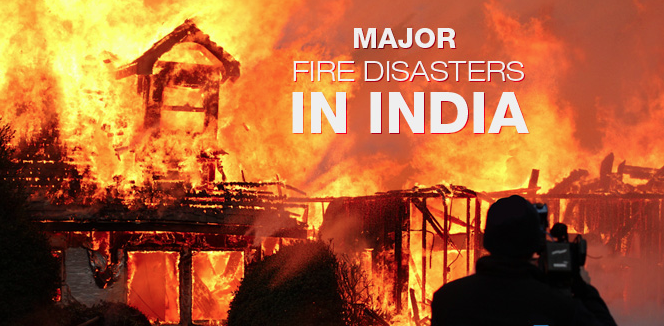
🔥 India’s 10 Deadliest Fire Incidents in the Last 5 Years – Key Lessons
What needs attention
- The article topic must be linked to the actual occupancy and hazard
- Prevention and early warning provide more safety margin than last-second intervention
- Equipment is effective only when correctly selected, accessible and maintained
- People need short practised actions and a clear decision to stop and escape
- Children, visitors and people needing assistance require explicit planning
- Records, drills and inspections matter only when defects are corrected
Controls that reduce risk
- Complete a task- and site-specific hazard assessment
- Verify applicable Indian, state and local requirements
- Use competent inspection for installed systems and specialist hazards
- Keep alarms, exits, signs and emergency access usable
- Train intended users and practise evacuation
- Record defects with an owner and completion date
- Review the plan after changes, incidents or near misses
Understand and apply the guidance
🔴 Truth Drop
Between 2019 and 2024, India lost over 6,500 lives to major fire incidents (NCRB, NDMA data).
From coaching centers and hospitals to factories and malls, the pattern is the same:
👉 Small mistake → system failure → mass deaths.
📖 Why This Matters
Every Indian remembers seeing breaking news:
- Surat’s Takshashila coaching fire (22 young lives lost)
- Rajkot Game Zone fire (33 killed, mostly children)
- AMRI Kolkata hospital fire, Rajkot ICU blaze
- Delhi Anaj Mandi, Mumbai Kamala Mills, and many more
We mourn for a day. Then forget.
But each fire left behind a lesson that could prevent the next tragedy.
This blog is about learning from loss — so that no family has to cry the same tears again.
🕯️ India’s 10 Deadliest Fire Incidents (2019–2024)
- Surat Takshashila Coaching Fire (2019) – 22 students died trapped in a coaching center with illegal structure and blocked exits.
Lesson: Fire NOCs mean nothing without enforcement. - Delhi Anaj Mandi Factory Fire (2019) – 43 workers killed in locked rooms with no fire exit.
Lesson: Worker safety = national safety. - Mumbai Kamala Mills Fire (2018, impact continued in 2019 hearings) – 14 dead, including young professionals trapped in rooftop pubs.
Lesson: Commercial greed > human safety. - Ahmedabad COVID Hospital Fire (2020) – 8 ICU patients suffocated.
Lesson: Hospitals need 24×7 audits, not paper compliance. - Rajkot ICU Fire (2020) – 6 patients died.
Lesson: In a place of healing, the first duty is safety. - Rajkot Game Zone Fire (2024) – 33 killed, mostly children and youth.
Lesson: Fire exits are not “formality” — they are life and death. - Delhi Mundka Factory Fire (2022) – 27 workers dead.
Lesson: Illegal factories thrive because safety is ignored. - Secunderabad e-Bike Showroom Fire (2022) – 8 people died in hotel above a showroom.
Lesson: EV safety standards are still broken. - Bharuch Chemical Factory Fire (2023) – Multiple casualties, smoke engulfed entire town.
Lesson: Industrial fire = public health disaster. - Uphaar Cinema (1997, but lessons ignored even today) – Though older, every recent mall/cinema tragedy reflects this same negligence.
Lesson: We never learned from the past.
⚠️ Common Patterns in All Incidents
- Non-functional or missing fire protection systems
- Locked or blocked exits
- Zero evacuation training
- No accountability of authorities or owners
- Panic due to zero drills / awareness
📊 Data Box
- India has only 3,200 fire stations vs 18,000+ required (NDMA, 2022)
- 97% shortage in manpower and equipment (RMSI/NDMA)
- Urban fires kill 35 Indians every day (NCRB 2022)
- 80%+ buildings fail fire safety audits
🛡 Survival Lessons for Citizens
✅ Always check fire exits in public places (mall, theatre, coaching, hospital)
✅ Don’t ignore blocked exits or capped sprinklers → Report immediately
✅ Practice family evacuation drills
✅ Carry awareness forward — teach children survival basics
📢 Systemic Lessons
India must:
- Enforce real-time Fire NOC audits
- Conduct annual evacuation drills in schools, malls, offices
- Create legal accountability for officers who ignore safety
- Empower citizens to report safety lapses without fear
📣 Call to Action
🚨 Don’t stay silent.
If you see blocked exits, missing hydrants, capped sprinklers — report to local fire dept and share with us at HowToSurvive.in.
Your one report may save 100 lives tomorrow.
🔚 Closing Line
Every fire is not just an accident.
It is a mirror of our neglect.
This is why we built HowToSurvive.in — to remember, to learn, and to act before the next tragedy.
Common unsafe practices
- Relying on equipment without a hazard assessment
- Blocking or compromising escape routes
- Delaying the alarm or emergency call
- Attempting a response beyond training or safe conditions
- Re-entering before authorised clearance
- Treating a checklist as a substitute for competent inspection