
🔥 Why Small Electrical Faults Trigger Big Fires (With Stats)
What needs attention
- The article topic must be linked to the actual occupancy and hazard
- Prevention and early warning provide more safety margin than last-second intervention
- Equipment is effective only when correctly selected, accessible and maintained
- People need short practised actions and a clear decision to stop and escape
- Children, visitors and people needing assistance require explicit planning
- Records, drills and inspections matter only when defects are corrected
Controls that reduce risk
- Complete a task- and site-specific hazard assessment
- Verify applicable Indian, state and local requirements
- Use competent inspection for installed systems and specialist hazards
- Keep alarms, exits, signs and emergency access usable
- Train intended users and practise evacuation
- Record defects with an owner and completion date
- Review the plan after changes, incidents or near misses
Understand and apply the guidance
🔴 Truth Drop
According to NCRB (2023):
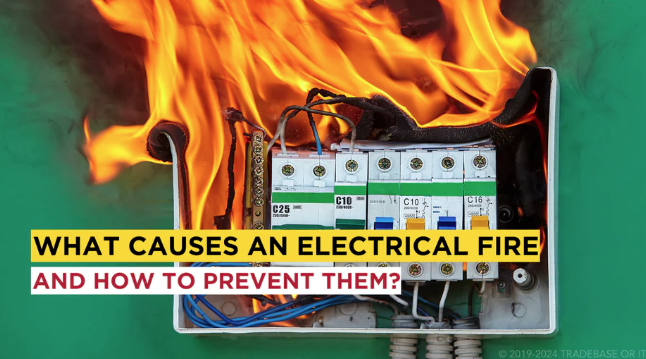
👉 55% of urban fires in India are caused by electrical faults — short circuits, overloaded wires, and poorly maintained systems.
👉 These “small sparks” killed 8,000+ Indians in just one year.
⚠️ The hidden danger:
Most electrical fires don’t start big — they start small, unnoticed, and ignored.
📖 Why This Matters
Every Indian has seen or ignored these signs:
- Sparks when plugging in a device
- Overloaded sockets with 5–6 appliances
- Cheap extension cords heating up
- Loose wiring hanging in shops, offices, homes
We laugh it off, fix with tape, or delay calling an electrician.
But in seconds, that small spark can become:
- 🔥 A coaching fire that traps 22 children (Surat, 2019)
- 🔥 A hospital ICU blaze that kills patients (Rajkot, 2020)
- 🔥 A market inferno that wipes out hundreds of shops (Delhi Anaj Mandi, 2019)
What we ignore as “small” often kills the fastest.
⚠️ Common Electrical Fire Triggers
- Short Circuits
– Poor-quality wires, old systems, loose joints.
– Most common cause of residential and market fires. - Overloaded Circuits
– Too many devices in one socket or extension cord.
– Heaters, ACs, irons = silent fire starters. - Faulty Appliances
– Cheap or counterfeit devices spark and overheat. - Improper Maintenance
– Exposed wires, broken switches, illegal connections.
– Often ignored in markets, schools, and apartments. - Lack of Fire-Resistant Materials
– Plastic wires melt instantly, spreading flames.
📊 Data Box
- 55% of urban fires in India = electrical faults (NCRB 2023)
- 8,060 people killed in 2023 alone due to electrical fires
- India’s electrical safety audits: <20% of buildings compliant (CAG)
- Delhi Fire Service: 70% of markets at risk of electrical fire (2022 survey)
🛡 Survival Lessons for Citizens
✅ Never overload sockets or use cheap extensions
✅ Switch off appliances at night — especially ACs, heaters
✅ Replace wires older than 10 years with ISI-marked cables
✅ Install circuit breakers (MCBs, RCCBs) in homes and offices
✅ Learn to use a fire extinguisher — most electrical fires need CO₂ or Dry Powder, not water
📢 Systemic Lessons
India must:
- Enforce annual electrical safety audits for schools, hospitals, markets, apartments
- Ban counterfeit appliances and uncertified extension cords
- Mandate fire-resistant wiring in all new construction
- Train RWAs and electricians in fire-safe practices
- Create public reporting apps for unsafe wiring in markets
📣 Call to Action
🚨 Next time you see sparks, loose wiring, or overloaded sockets:
👉 Don’t ignore. Don’t delay. Don’t say “chalta hai.”
A 2-minute fix today can prevent a 200-life tragedy tomorrow.
📌 Tags
#ElectricalFires #UrbanFireIndia #HowToSurvive #VFFIndia #EveryLifeMatters
🔚 Closing Line
Small sparks don’t wait to become big fires — they just need silence to grow.
This is why we built HowToSurvive.in — to turn small warnings into life-saving action.
Common unsafe practices
- Relying on equipment without a hazard assessment
- Blocking or compromising escape routes
- Delaying the alarm or emergency call
- Attempting a response beyond training or safe conditions
- Re-entering before authorised clearance
- Treating a checklist as a substitute for competent inspection