
🙏 Stampede Fatalities in Religious Gatherings (2019–2025)
What needs attention
- The article topic must be linked to the actual occupancy and hazard
- Prevention and early warning provide more safety margin than last-second intervention
- Equipment is effective only when correctly selected, accessible and maintained
- People need short practised actions and a clear decision to stop and escape
- Children, visitors and people needing assistance require explicit planning
- Records, drills and inspections matter only when defects are corrected
Controls that reduce risk
- Complete a task- and site-specific hazard assessment
- Verify applicable Indian, state and local requirements
- Use competent inspection for installed systems and specialist hazards
- Keep alarms, exits, signs and emergency access usable
- Train intended users and practise evacuation
- Record defects with an owner and completion date
- Review the plan after changes, incidents or near misses
Understand and apply the guidance
🔴 Truth Drop
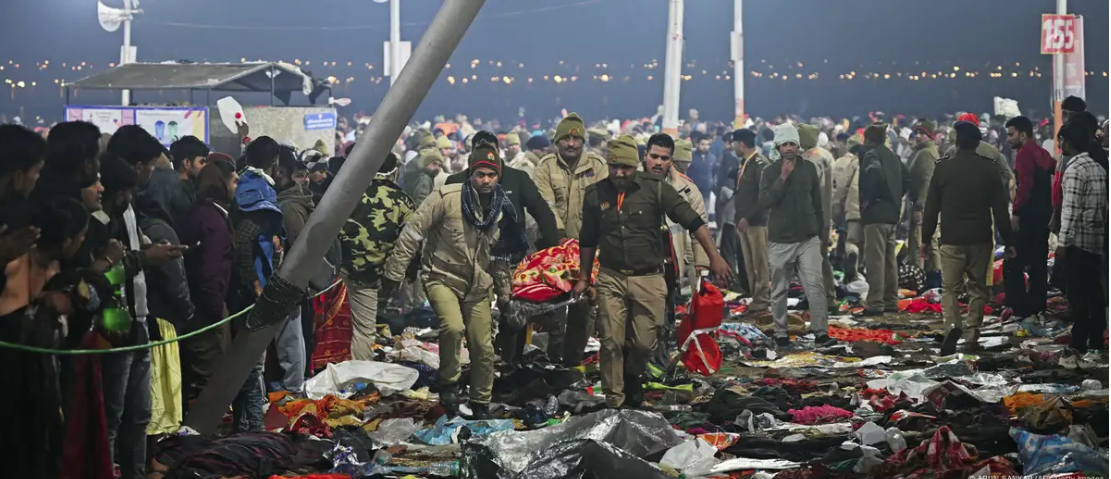
Between 2019 and 2025, India recorded hundreds of stampede incidents at temples, shrines, yatras, and festival venues, causing 1,200+ deaths and 3,500+ injuries.
Most were preventable with basic crowd science: controlled entry, clear exits, timed slots, and real-time announcements.
Crowds don’t kill — chaos does.
📖 Why This Matters
Religious gatherings are moments of faith, not fear.
But bottlenecked gates, rain rushes, slippery steps, rumors, and VIP movements routinely turn devotion into disaster.
Families get separated; elders and children suffocate within 90 seconds in high-density compression.
Preparedness is not at odds with spirituality — it protects it.
📊 India Snapshot (Religious Stampedes, 2019–2025)
| Year | Incidents | Deaths | Injured | Typical Triggers |
|---|---|---|---|---|
| 2019 | 25 | 150 | 420 | Sudden rain, staircase jams, festival surge |
| 2020 | 9 | 55 | 120 | COVID-era crowding at smaller shrines |
| 2021 | 17 | 140 | 300 | Reopening rush, unmanaged queues |
| 2022 | 26 | 230 | 520 | New Year / festival bottlenecks |
| 2023 | 32 | 310 | 760 | Rumor-driven panic, slippery surfaces |
| 2024 | 28 | 230 | 760 | Gate closures, VIP routes, power outages |
| 2025 (till Aug) | 12 | 95 | 190 | Monsoon rush, narrow exit choke points |
Pattern: ~70% of fatalities occur at staircases, narrow gateways, or footbridges; ~60% in under 10 minutes from onset.
🧠 Patterns & Root Causes
| Cause Cluster | What Happens | Share* |
|---|---|---|
| Bottlenecks & Counter-flow | Two-way movement in a narrow gate/stair causes gridlock and compression | 40% |
| Rumors & Panic Triggers | “Gate closing!”, “Short circuit!”, “VIP coming!” → sudden surges | 20% |
| Weather / Slippery Surfaces | Rain → rush to shelter; wet steps → falls → pileups | 15% |
| Poor Layout & Signage | Blind turns, dead-end queues, locked side exits | 15% |
| Power / PA Failure | No audio guidance; people follow the crowd’s push | 10% |
*Approximate share across major cases.
📍 High-Risk Contexts (2019–2025)
- Hill temples / ghats with steep, narrow stair approaches
- Festival days (New Year, Navratri, Kumbh-linked events, Mela days)
- VIP diversions that abruptly halt or reverse public flow
- Monsoon evenings with plastic-sheet canopies and poor lighting
⚠️ Case-Style Learnings (Composite)
- Narrow Gate + Rain
– Gate staff try to “pause” entry; back-pressure builds → fall at front → pileup.
Fix: One-way lanes, rain plan (covered queue), timed slots. - Footbridge Queue Reversal
– Counter-flow created to “let VIP pass” → head-on crowd push.
Fix: No counter-flow; create bypass lane before bridge choke. - Power/PA Outage During Aarti
– Darkness + confusion → surge to a single lit exit.
Fix: Battery PA, glow signage, marshals with megaphones.
🧩 Crowd Science: The Red Lines
- Danger density begins near 4–5 persons/m²; at >6/m², people cannot control movement.
- Compression asphyxia (not trampling) kills within 90–120 seconds.
- Counter-flow multiplies force; gates narrower than 1.8–2.4 m become lethal under surge.
🛡 Survival Lessons for Devotees & Families
✅ Time your visit (off-peak slots; avoid right after aarti or during rain).
✅ Follow flow arrows; never counter-flow even if shortcut looks quicker.
✅ Hands free: keep both hands free; sling small bags; no heavy luggage.
✅ If density rises: move diagonally toward edges, not straight against the crowd.
✅ If someone falls (or you do): protect chest/face with forearms, curl to side, do not try to stand until the surge relents; help others up.
✅ Keep kids in front, hand-linked, and pre-decide a safe reunion point.
✅ Listen only to official PA / marshals, not rumors or shouts.
🏟️ Organiser / Temple Trust Checklist (10 Non-Negotiables)
- One-way circulation (separate entry/exit; no counter-flow).
- Timed darshan tokens with visible digital counters.
- Minimum gate width compliance; pop-up barriers for overflow.
- Rain plan: covered queuing lanes + anti-skid mats.
- Trained marshals every 20–30 m with hand mics/megaphones.
- Red-flag density monitors (CCTV analytics or clickers).
- Emergency side gates unlocked, lit, and signed (glow boards).
- Medical bay + AED + wheelchairs within 100–150 m; 108 tie-up.
- Public address redundancy (battery backup; siren + voice).
- Pre-event drills with police/SDRF; after-action review published.
🚓 District / Police SOP Enhancers
- No VIP movement through public choke points during peak flow.
- Live dashboards: footfall, density, weather, gate status.
- SMS/WhatsApp alerts for slot timing, weather, route changes.
- Staggered bus/parking release to prevent sudden arrivals.
- Liability & audit: publish capacity, flow rate, drill dates.
📣 Call to Action
🚨 Faith needs flow, not force.
If you’re organizing or attending, choose safety first: one-way movement, open exits, clear voice guidance.
A two-minute PA announcement can save dozens.
Your calm and your plan are the real prasad.
📎 References (for publication notes)
- NDMA Guidelines: Crowd Management & Large Events (latest revisions)
- State Police / District administration event SOPs (2019–2025)
- NCRB Accidental Deaths & stampede classifications (2019–2024)
- Academic studies on crowd dynamics & density thresholds (IIT/NIT papers)
🔚 Closing Line
Devotion should never demand a life.
This is why we built HowToSurvive.in — to make faith safer through planning, compassion, and science.
Common unsafe practices
- Relying on equipment without a hazard assessment
- Blocking or compromising escape routes
- Delaying the alarm or emergency call
- Attempting a response beyond training or safe conditions
- Re-entering before authorised clearance
- Treating a checklist as a substitute for competent inspection