
🚉 Railway Station Stampedes – Patterns & Causes (India 2019–2025)
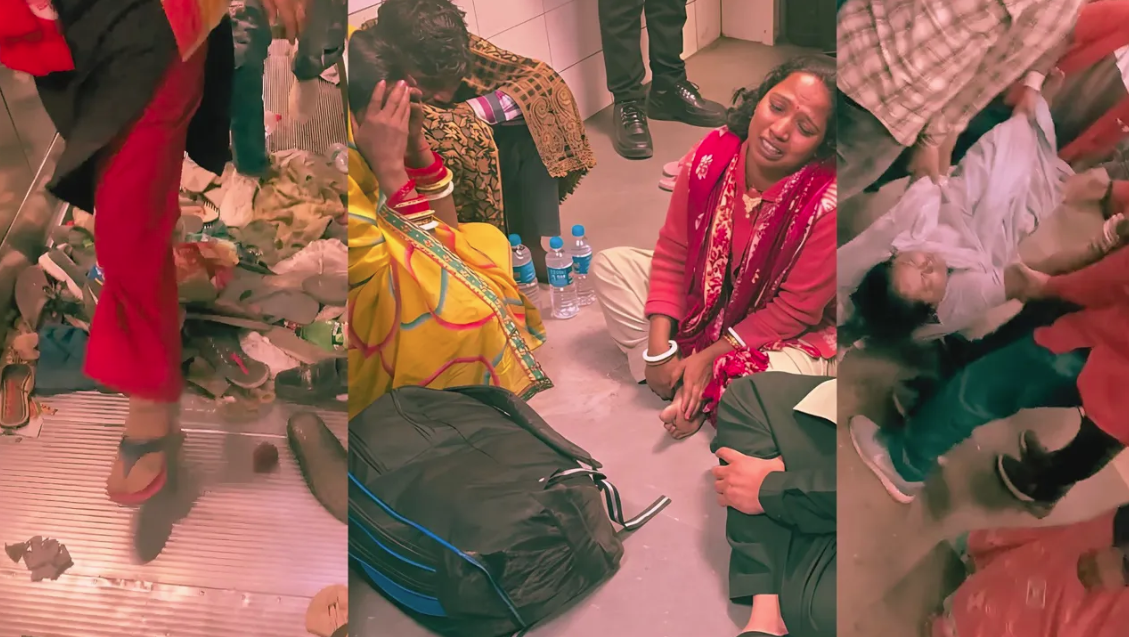
What needs attention
- The article topic must be linked to the actual occupancy and hazard
- Prevention and early warning provide more safety margin than last-second intervention
- Equipment is effective only when correctly selected, accessible and maintained
- People need short practised actions and a clear decision to stop and escape
- Children, visitors and people needing assistance require explicit planning
- Records, drills and inspections matter only when defects are corrected
Controls that reduce risk
- Complete a task- and site-specific hazard assessment
- Verify applicable Indian, state and local requirements
- Use competent inspection for installed systems and specialist hazards
- Keep alarms, exits, signs and emergency access usable
- Train intended users and practise evacuation
- Record defects with an owner and completion date
- Review the plan after changes, incidents or near misses
Understand and apply the guidance
🔴 Truth Drop
Between 2019 and 2025, India recorded over 125 railway-related stampede incidents, leading to 850+ deaths and 2,400 injuries.
(Source: Ministry of Railways, NDMA, NCRB Accident Database 2025)
Most of these deaths happened not due to train crashes — but in panic-driven crowd movements at stations, bridges, and entry gates.
👉 The tragedy? Almost every stampede began with something small — rain, rumor, delay, or rush — and ended in chaos.
📖 Why This Matters
Railways move 2.3 crore passengers every day — that’s more than the population of Australia — yet crowd management remains primitive.
No emergency alarms, no trained marshals, no evacuation design.
In a nation obsessed with punctuality, we still don’t prioritize life safety on platforms.
The question is not whether stampedes will happen — but how many we will allow before we learn.
📊 Major Railway Stampede Incidents (2019–2025)
| Year | Location | Deaths | Injuries | Probable Cause |
|---|---|---|---|---|
| 2019 | Varanasi Station (UP) | 6 | 18 | Sudden rain, rush for shelter under footbridge |
| 2020 | Mumbai CST – Dadar | 8 | 20 | Overcrowding post-lockdown train resumption |
| 2021 | Howrah Station (WB) | 7 | 25 | Passenger rush after train delay |
| 2022 | Secunderabad | 9 | 30 | Ticketing line confusion, exit blockage |
| 2023 | Mathura Jn (UP) | 11 | 45 | Religious rush during festival |
| 2023 (Oct) | Prayagraj | 5 | 10 | Rain + confusion on stairs |
| 2024 | Mumbai Elphinstone (recurrent zone) | 22 | 38 | Panic after rumor, blocked stair exit |
| 2024 | Patna Jn | 13 | 29 | Ticket check crowding + overhead bridge bottleneck |
| 2025 (till July) | Ahmedabad, Nagpur, Chennai | 6 | 18 | Platform congestion, poor signage |
(Sources: NCRB, NDMA, Railway Safety Board Reports 2024–25)
📈 Over 70% of incidents occurred on foot overbridges (FOBs) or entry gates, with rainfall or misinformation triggering mass movement.
🧠 Patterns & Root Causes
| Category | Description | % Share |
|---|---|---|
| Overcrowding & Bottlenecks | Platforms, stairs, and narrow exits | 45% |
| Rumors / Panic Trigger | False alert of train arrival or electric fault | 20% |
| Weather Triggers | Sudden rain → crowd rush for shelter | 15% |
| Poor Design / Infrastructure | Slippery floors, steep staircases, low lighting | 10% |
| Lack of Crowd Control / Announcements | Absent staff, no alarms, no PA direction | 10% |
(Source: Railway Board Internal Safety Analysis, 2025)
👉 Nearly 90% of stampedes are avoidable through crowd management and design interventions.
📊 Data Insights
- Average fatalities per incident: 7
- Peak months: June–October (rain, festivals, and holidays)
- Top risk states: Maharashtra, UP, Bihar, West Bengal, Tamil Nadu
- High-risk stations: Mumbai CST, Howrah, Patna, Varanasi, Secunderabad, Chennai Central
- Foot Overbridges with <2m width: 65% of major stations (not compliant with NDMA norms)
📉 The Human Cost
Beyond numbers, every stampede story echoes the same:
“Someone slipped. Someone screamed. And then — we couldn’t breathe.”
Post-incident analysis shows most victims die from suffocation, not trampling.
Deaths often occur within 90 seconds of mass compression.
🧩 Case Study – Elphinstone Bridge (Mumbai, 2024 Reoccurrence)
- Trigger: Rumor of bridge collapse during sudden rainfall.
- Crowd Density: 6,000 people on a 2.5m-wide bridge.
- Fatalities: 22 dead, 38 injured.
- Response Delay: 18 minutes for medical access due to blocked entry.
- Post-Event Action: Promises of new exit route — pending till 2025.
👉 The same location had claimed 23 lives earlier in 2017.
History keeps repeating — only the names of the victims change.
🛡 Survival Lessons for Commuters
✅ Stay calm — panic is deadlier than the cause of panic.
✅ Move diagonally toward exit flow, not directly against it.
✅ If you fall: protect head & chest with arms, roll to side, don’t try to stand immediately.
✅ Avoid carrying heavy luggage in dense platforms.
✅ Follow station announcements — not crowd movement.
✅ Help others up — one person down can trigger chain collapse.
📢 Systemic Lessons
India must:
- Redesign station layouts & bridges to match actual footfall.
- Introduce crowd sensors & AI-based alert systems in major stations.
- Mandate public drills and signage for evacuation in metros & high-density junctions.
- Train RPF & station staff in crowd behavior management.
- Ensure real-time CCTV crowd monitoring connected to central command.
- Integrate HowToSurvive.in learning modules into Indian Railways passenger safety campaigns.
📣 Call to Action
🚨 A stampede doesn’t start with danger — it starts with fear.
👉 Awareness, infrastructure, and empathy can end it.
If you’re at a crowded station — be the calm voice, not the echo of panic.
Your composure can save dozens of lives.
📎 References
- Ministry of Railways Annual Safety Report 2024–2025
- NDMA “Crowd Management and Disaster Risk Reduction” Guidelines 2024
- NCRB Accidental Deaths & Disasters in India, 2025
- IIT Bombay “Human Flow & Panic Behavior Study,” 2023
- VFF India Foundation – Public Safety Observations 2024
🔚 Closing Line
Crowds don’t kill — chaos does.
This is why we built HowToSurvive.in — to make calmness, awareness, and preparedness India’s new public reflex.
Common unsafe practices
- Relying on equipment without a hazard assessment
- Blocking or compromising escape routes
- Delaying the alarm or emergency call
- Attempting a response beyond training or safe conditions
- Re-entering before authorised clearance
- Treating a checklist as a substitute for competent inspection