
🚗 Alcohol & Speeding Related Deaths – 5-Year Trend
What needs attention
- The article topic must be linked to the actual occupancy and hazard
- Prevention and early warning provide more safety margin than last-second intervention
- Equipment is effective only when correctly selected, accessible and maintained
- People need short practised actions and a clear decision to stop and escape
- Children, visitors and people needing assistance require explicit planning
- Records, drills and inspections matter only when defects are corrected
Controls that reduce risk
- Complete a task- and site-specific hazard assessment
- Verify applicable Indian, state and local requirements
- Use competent inspection for installed systems and specialist hazards
- Keep alarms, exits, signs and emergency access usable
- Train intended users and practise evacuation
- Record defects with an owner and completion date
- Review the plan after changes, incidents or near misses
Understand and apply the guidance
🔴 Truth Drop
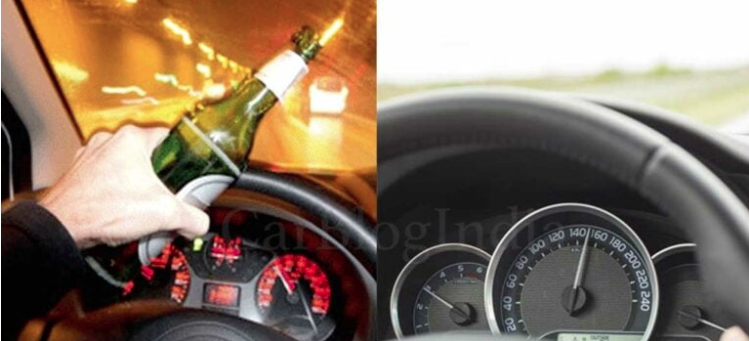
Every hour, 18 Indians die in road accidents.
And over half of those deaths involve alcohol and overspeeding.
👉 Between 2020 and 2024, India lost 7.2 lakh lives in road accidents.
👉 65% of those deaths were caused by overspeeding, and 7–10% directly linked to drunk driving.
These aren’t “accidents.”
They are decisions gone wrong.
📖 Why This Matters
Most fatal road crashes are preventable.
But behind the wheel, two human impulses — “I can handle it” and “Just this once” — destroy families in seconds.
Every time someone drives drunk or overspeeds, they gamble not just their life, but every innocent person’s life on that road.
In a country where roads already lack safety design, reckless behavior = loaded gun in public hands.
⚠️ The 5-Year Picture (2020–2024)
| Year | Total Deaths | Due to Overspeeding | Due to Alcohol/Drugs | Combined % of All Deaths |
|---|---|---|---|---|
| 2020 | 1,33,000 | 80,000 | 10,000 | 67% |
| 2021 | 1,53,972 | 1,00,000 | 11,000 | 72% |
| 2022 | 1,55,000 | 1,05,000 | 10,500 | 74% |
| 2023 | 1,62,000 | 1,08,000 | 12,000 | 74% |
| 2024 | 1,65,000+ | 1,10,000+ | 12,500+ | 75% |
(Source: MoRTH Annual Report 2024, NCRB)
📊 Trend Summary:
- Overspeeding deaths increased 35% in five years.
- Drunk driving fatalities remained steady but underreported.
- Combined, these two causes contribute to 3 out of every 4 deaths.
🧠 Why It Happens
- False Confidence – Drivers believe “I can handle speed” or “I’ve driven after one drink before.”
- Weak Enforcement – Low fines, rare breath tests, limited highway policing.
- Cultural Normalization – Late-night parties, highway dhabas, peer pressure.
- Lack of Awareness – Many don’t realize alcohol stays in the bloodstream for hours.
- Poor Road Conditions – Overspeeding on unlit, uneven highways magnifies damage.
📊 Data Box
- 1.1 lakh overspeeding deaths annually (65% of total).
- 10,000–12,000 drunk driving deaths yearly.
- Young adults (18–35) = 70% of offenders and victims.
- Alcohol multiplies crash risk 17 times even at “mild” intoxication levels.
- WHO: Countries with strong DUI enforcement see 40% fewer road deaths.
🛡 Survival Lessons for Citizens
✅ Never drive after drinking.
– Even one drink slows reflexes and focus.
✅ If your friend is drunk, don’t let them drive.
– You’re saving lives, not spoiling fun.
✅ Slow down on highways.
– 10 km/h faster = 40% higher impact in a crash.
✅ Use ride-sharing or cabs after parties.
✅ Avoid late-night speeding challenges — no thrill is worth a life.
📢 Systemic Lessons
India must:
- Enforce zero tolerance for drunk driving — mandatory breathalyzer checkpoints.
- Use AI-based speed detection & automatic challans nationwide.
- Mandate alcohol interlock devices in commercial fleets.
- Restrict alcohol outlets near highways (as per SC order, 2017).
- Invest in youth-focused awareness campaigns — linking safety with pride, not fear.
📣 Call to Action
🚨 Overspeeding and drunk driving are not “mistakes” — they are choices that kill.
👉 Choose life. Choose responsibility.
Next time you see someone take the wheel after drinking, be the voice that stops them.
Your courage can save a family from lifelong grief.
🔚 Closing Line
Speed can thrill for seconds, but regret lasts forever.
Alcohol clouds judgment — but awareness saves lives.
This is why we built HowToSurvive.in — to remind Bharat that real power lies not in speed, but in control.
Common unsafe practices
- Relying on equipment without a hazard assessment
- Blocking or compromising escape routes
- Delaying the alarm or emergency call
- Attempting a response beyond training or safe conditions
- Re-entering before authorised clearance
- Treating a checklist as a substitute for competent inspection