
🚶♂️🚨 HowToSurvive Crowd Stampede?
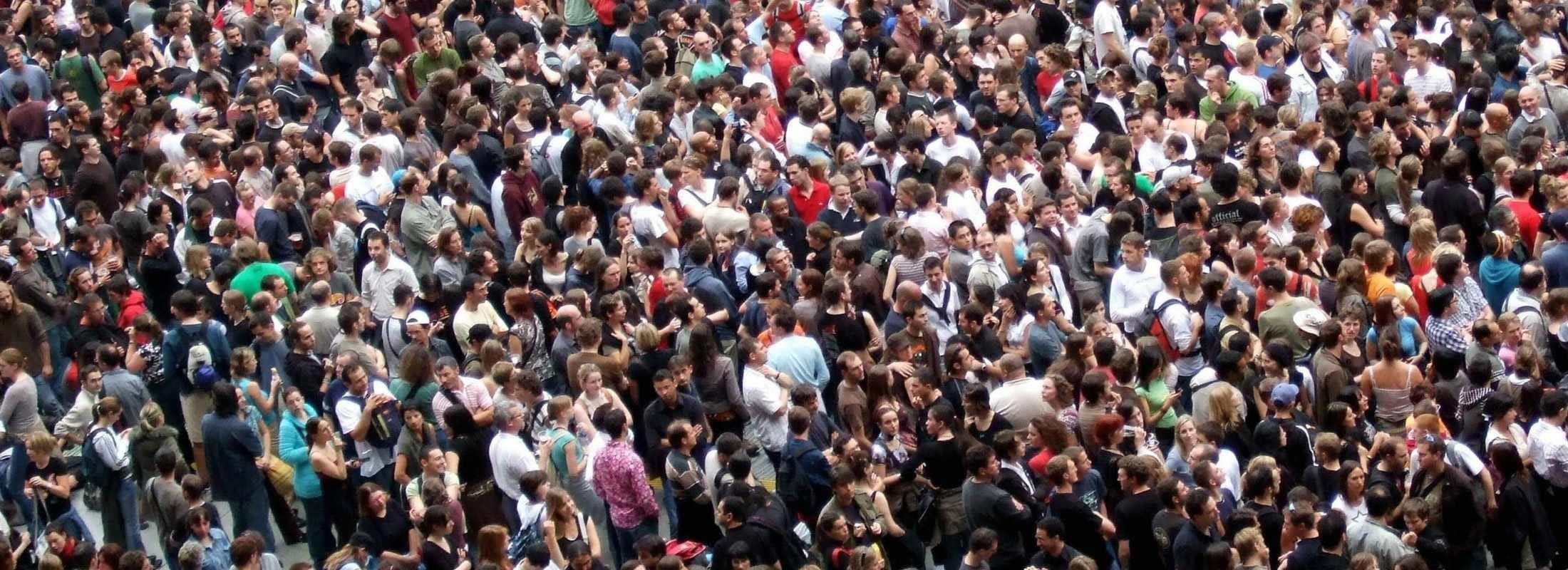
What needs attention
- The article topic must be linked to the actual occupancy and hazard
- Prevention and early warning provide more safety margin than last-second intervention
- Equipment is effective only when correctly selected, accessible and maintained
- People need short practised actions and a clear decision to stop and escape
- Children, visitors and people needing assistance require explicit planning
- Records, drills and inspections matter only when defects are corrected
Controls that reduce risk
- Complete a task- and site-specific hazard assessment
- Verify applicable Indian, state and local requirements
- Use competent inspection for installed systems and specialist hazards
- Keep alarms, exits, signs and emergency access usable
- Train intended users and practise evacuation
- Record defects with an owner and completion date
- Review the plan after changes, incidents or near misses
Understand and apply the guidance
“सावधानी हटी, दुर्घटना घटी।”
A small moment of panic can turn into mass tragedy.
Crowd stampedes are not caused only by crowds.
They are caused by:
- Panic
- Poor management
- Blocked exits
- Misinformation
- Lack of planning
- Uncontrolled movement
- Delayed response
One push can become pressure from thousands.
⚠️ Stampedes Can Happen Anywhere
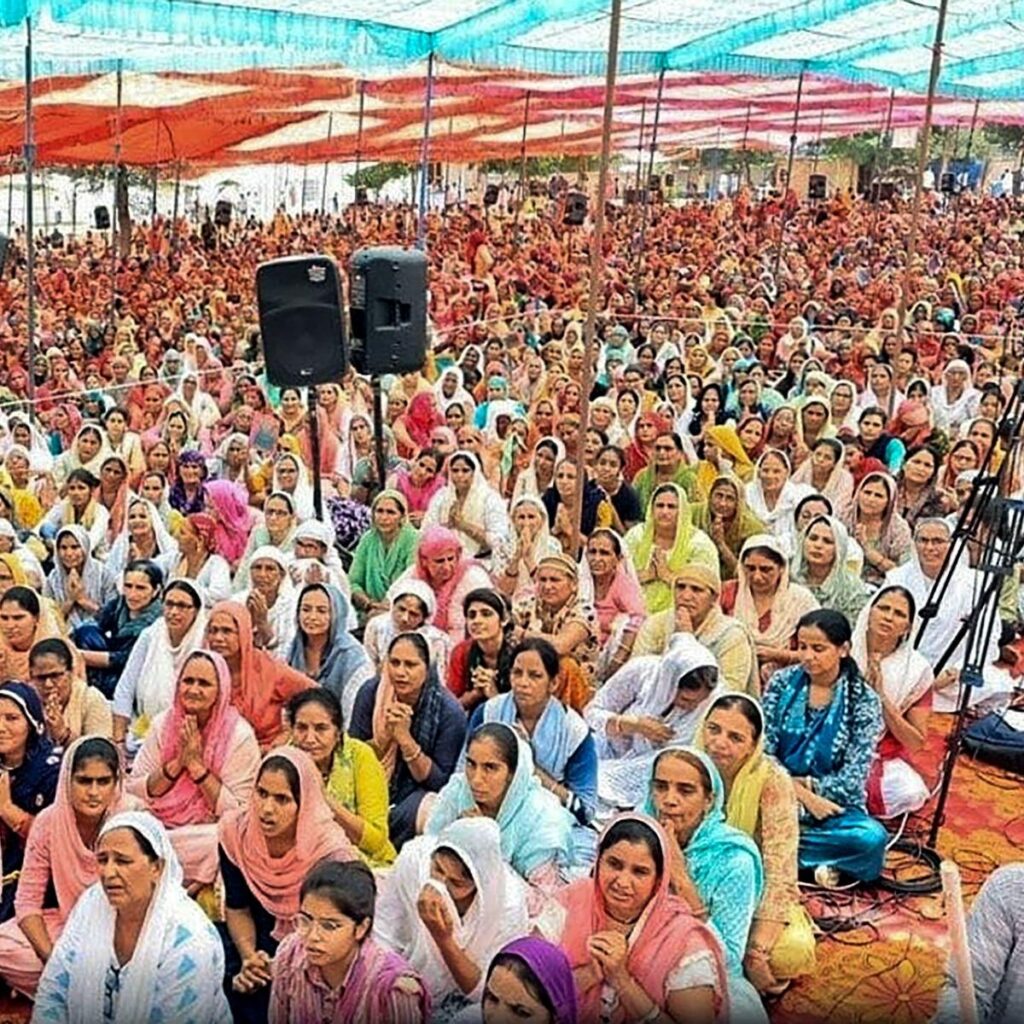
Many people think stampedes happen only during religious gatherings.
But stampedes can happen at:
- Concerts
- Stadiums
- Railway stations
- Schools
- Political rallies
- Malls
- Festivals
- Tourist places
- Emergency evacuations
Any place where crowd movement becomes uncontrolled can turn dangerous within seconds.

🧠 How Stampedes Actually Kill
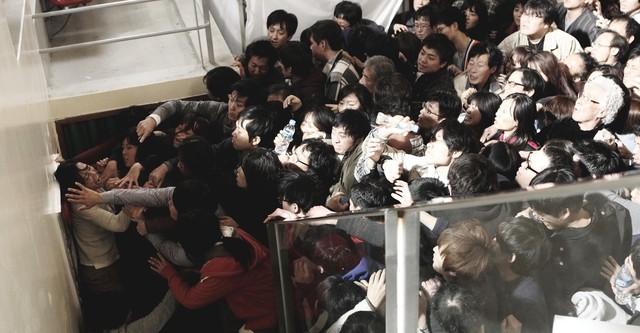
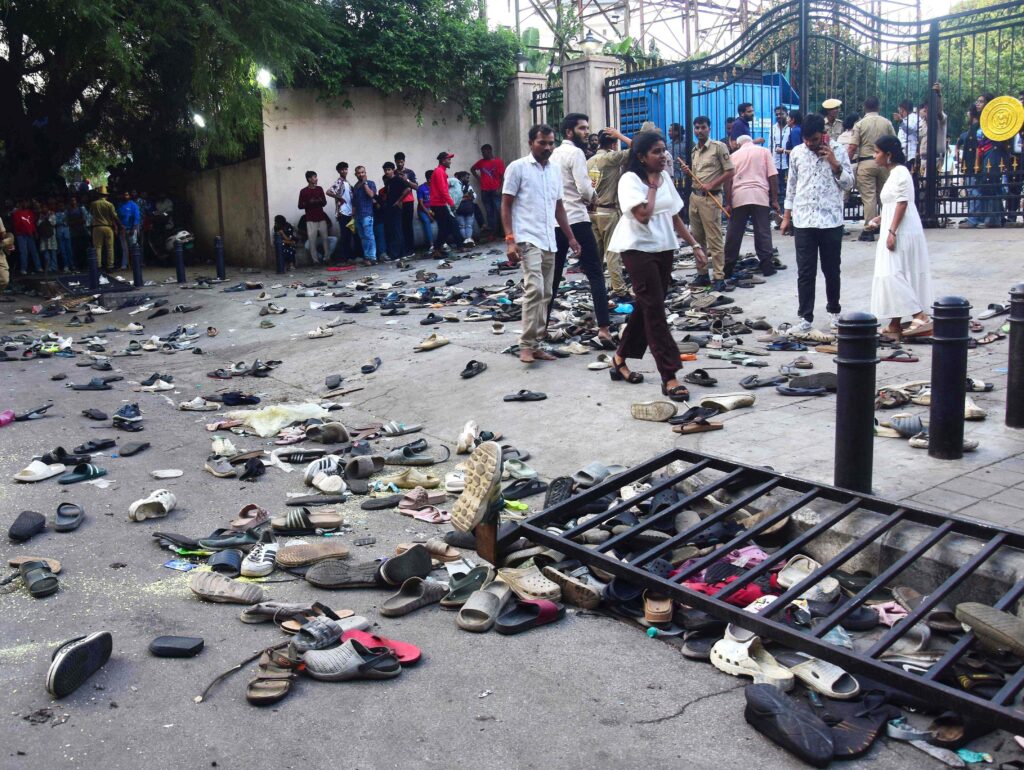
In stampedes, people often do not die because of falling alone.
Most deaths happen because of:
- Crushing pressure
- Suffocation
- Inability to move
- Inability to breathe
- Chest compression
Human bodies trapped in dense crowds lose space to breathe.
That is why awareness becomes survival.

🛡️ Before Entering a Crowded Place
✔ Identify Exits First
Always know multiple escape paths.
✔ Avoid Overcrowded Zones
Do not move toward extreme crowd pressure.
✔ Keep Children & Elderly Protected
They are most vulnerable during sudden movement.
✔ Avoid Panic Running
Fast movement creates chain reactions.
✔ Never Push
One push can multiply into disaster.
🚨 If Crowd Movement Becomes Dangerous
✔ Stay on Your Feet
Falling increases risk of crushing immediately.
✔ Keep Hands Near Chest
This creates small breathing space during pressure.
✔ Move Diagonally with Crowd Flow
Never fight directly against the crowd force.
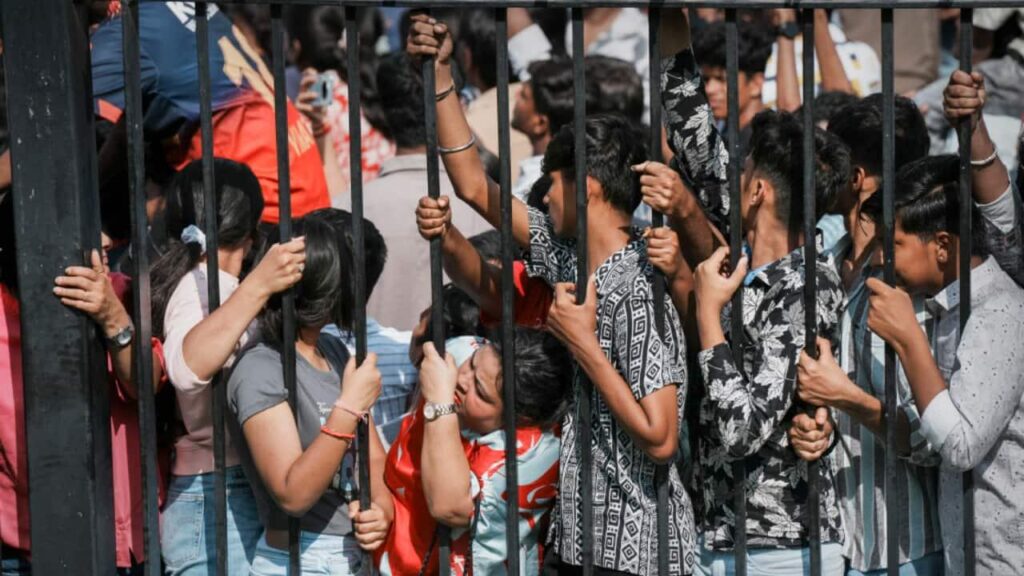
✔ Stay Away from Walls, Gates & Bottlenecks
These become high-pressure death zones.
✔ Help Fallen People If Safely Possible
Many lives are lost because nobody stops to help.
⚠️ Panic Makes Crowds Dangerous
Most stampedes worsen because people think only about themselves during fear.
But survival inside crowds depends on collective behaviour.
A crowd becomes dangerous when humanity disappears inside panic.
🤝 Discipline Saves Lives
Indian wisdom says:
“संगच्छध्वं संवदध्वं।” — ऋग्वेद
Move together, think together, act together.
Discipline is not restriction.
Discipline is protection during mass gatherings.
🏗️ Systems & Authorities Matter
Crowd safety is also responsibility of:
- Organizers
- Infrastructure planners
- Police
- Fire services
- Emergency responders
- Local administration
Critical safety measures include:
- Crowd limit control
- Proper entry & exit planning
- Public announcements
- Trained volunteers
- Medical support teams
- Real-time coordination systems
One unmanaged gathering can become national tragedy within minutes.
📖 Every Stampede Teaches Something
Every life lost in a stampede is not “just an accident.”
It is often failure of:
- Preparedness
- Awareness
- Planning
- Crowd management
- Emergency systems
Most stampedes are preventable.
🧠 Real Crowd Survival
HowToSurvive crowd stampede means:
- Stay aware
- Stay calm
- Avoid panic
- Protect others
- Understand crowd movement before emergency happens
Because in crowded situations, one calm decision can save many lives.
Humanity survives together — not by crushing each other in fear.
🚶♂️ HowToSurvive.in
Learn. Prevent. Protect. Survive.
Common unsafe practices
- Relying on equipment without a hazard assessment
- Blocking or compromising escape routes
- Delaying the alarm or emergency call
- Attempting a response beyond training or safe conditions
- Re-entering before authorised clearance
- Treating a checklist as a substitute for competent inspection