
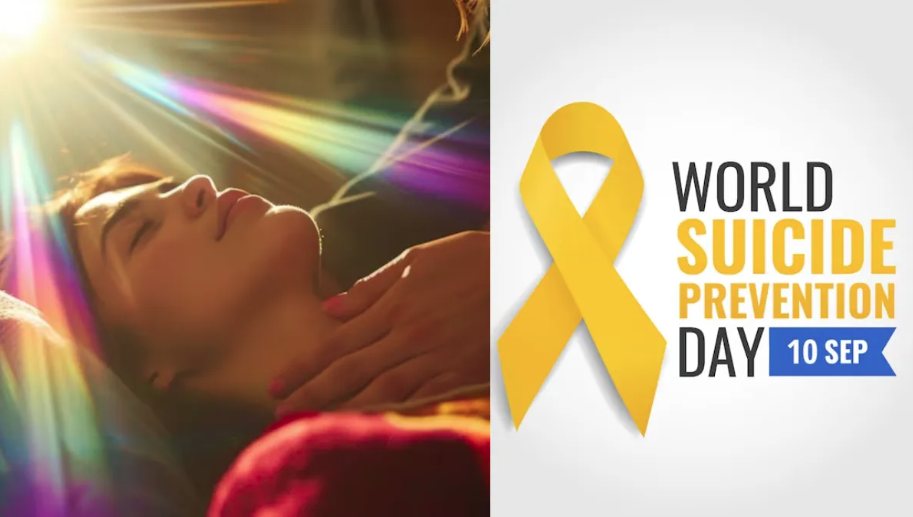
🧠 Mental Health Crises & Suicide Prevention – Early Interventions (India 2025)
What needs attention
- The article topic must be linked to the actual occupancy and hazard
- Prevention and early warning provide more safety margin than last-second intervention
- Equipment is effective only when correctly selected, accessible and maintained
- People need short practised actions and a clear decision to stop and escape
- Children, visitors and people needing assistance require explicit planning
- Records, drills and inspections matter only when defects are corrected
Controls that reduce risk
- Complete a task- and site-specific hazard assessment
- Verify applicable Indian, state and local requirements
- Use competent inspection for installed systems and specialist hazards
- Keep alarms, exits, signs and emergency access usable
- Train intended users and practise evacuation
- Record defects with an owner and completion date
- Review the plan after changes, incidents or near misses
Understand and apply the guidance
🔴 Truth Drop
India records one suicide every 50 seconds.
That’s over 1.7 lakh lives lost every year — and for every suicide, there are 20–25 attempted suicides.
(Source: NCRB 2024, WHO-SEARO Report 2025)
👉 Depression, job stress, exam fear, and financial anxiety have silently become the largest invisible public health emergency in modern India.
Mental health isn’t a luxury — it’s survival.
📖 Why This Matters
When we talk about saving lives, we often imagine fires, floods, or accidents.
But the most common emergency today happens inside the mind.
Mental health crises can begin quietly — sleepless nights, social withdrawal, loss of appetite — and if ignored, they end in tragedy.
The real danger? Silence.
India’s suicide rates have risen 25% in the last decade, making it the highest in South-East Asia.
(Source: WHO-SEARO 2025)
📊 India’s Suicide & Mental Health Data (2019–2025)
| Year | Total Suicides | Growth Rate | Major Causes |
|---|---|---|---|
| 2019 | 1,39,123 | — | Family stress, exams, debt |
| 2020 | 1,53,052 | +10% | COVID isolation, unemployment |
| 2021 | 1,64,033 | +7% | Academic pressure, financial crisis |
| 2022 | 1,70,924 | +4% | Work stress, mental illness |
| 2023 | 1,77,326 | +3.7% | Relationship strain, urban burnout |
| 2024 | 1,82,570 | +3% | Job insecurity, digital addiction |
(Sources: NCRB Accidental Deaths & Suicides Report 2024, NIMHANS Mental Health Survey 2025)
🧠 Who Is Most at Risk?
| Group | % of Total Deaths | Key Factors |
|---|---|---|
| Youth (18–30 yrs) | 34% | Exams, relationships, identity stress |
| Daily Wage Workers | 28% | Debt, unemployment, dignity loss |
| Homemakers (esp. women) | 14% | Isolation, domestic pressure |
| Students (under 20) | 9% | Academic burden, parental expectation |
| Farmers & Rural Men | 8% | Crop failure, loans, drought impact |
👉 Every statistic hides a story — of a person who just wanted help.
📊 Urban Mental Health Snapshot (India, 2025)
- 1 in 5 adults in metros suffers from anxiety or depression.
- Suicide attempts among youth (15–29 years) have doubled since 2015.
- Workplace burnout cases have risen 40% post-pandemic.
- Access to mental health care: only 0.75 psychiatrists per 1 lakh people.
- Estimated economic loss due to mental health issues: ₹2.5 lakh crore/year.
(Source: WHO, NIMHANS, MoHFW 2025)
⚠️ Early Warning Signs of Crisis
- Withdrawal: Avoiding social contact or communication.
- Verbal cues: Saying things like “I can’t take it anymore” or “I wish I could disappear.”
- Sudden mood shifts: From sadness to unnatural calm.
- Neglecting hygiene, food, or sleep.
- Giving away personal belongings.
- Excessive substance use or self-harm.
🚨 These are red alerts. If you see them — act, don’t assume.
🛡 Survival Lessons for Citizens
✅ Talk, don’t judge. A 10-minute genuine conversation can save a life.
✅ Ask directly: “Are you thinking about suicide?” — it opens doors, not triggers.
✅ Listen actively, stay calm, and offer professional help.
✅ Encourage medical care: mental illness is treatable, not shameful.
✅ Know helplines:
- AASRA: 91-9820466726
- Snehi: 91-9582208181
- NIMHANS Helpline: 080-46110007
- 112 / 108 for emergencies.
✅ Schools & offices: integrate emotional health check-ins monthly.
📢 Systemic Lessons
India must:
- Integrate mental health education into school curriculums.
- Expand District Mental Health Programs to every state.
- Create 24×7 integrated helpline network linked with 112 emergency services.
- Train teachers, HR heads, and police personnel to identify mental distress.
- Promote community resilience programs — awareness through media, NGOs, and local volunteers.
- Recognize suicide prevention as a national priority, not a social taboo.
📣 Call to Action
🚨 If you think someone you know is struggling — don’t wait for proof.
👉 Reach out, listen, and connect them to help.
Because most people who consider ending their life don’t want to die —
they just want the pain to stop.
📎 References
- NCRB Accidental Deaths & Suicides in India Report (2019–2024)
- NIMHANS National Mental Health Survey 2025
- WHO-SEARO Mental Health & Suicide Prevention Outlook 2024
- MoHFW National Suicide Prevention Strategy 2023
- UNDP India “Youth Mental Health Trends” Report 2024
🔚 Closing Line
Not every emergency makes noise — some just go unheard.
This is why we built HowToSurvive.in — to remind Bharat that saving a life begins with listening, understanding, and caring.
Common unsafe practices
- Relying on equipment without a hazard assessment
- Blocking or compromising escape routes
- Delaying the alarm or emergency call
- Attempting a response beyond training or safe conditions
- Re-entering before authorised clearance
- Treating a checklist as a substitute for competent inspection