
A Safe Descent: How to Use Fire Escape Ladders
What needs attention
- The article topic must be linked to the actual occupancy and hazard
- Prevention and early warning provide more safety margin than last-second intervention
- Equipment is effective only when correctly selected, accessible and maintained
- People need short practised actions and a clear decision to stop and escape
- Children, visitors and people needing assistance require explicit planning
- Records, drills and inspections matter only when defects are corrected
Controls that reduce risk
- Complete a task- and site-specific hazard assessment
- Verify applicable Indian, state and local requirements
- Use competent inspection for installed systems and specialist hazards
- Keep alarms, exits, signs and emergency access usable
- Train intended users and practise evacuation
- Record defects with an owner and completion date
- Review the plan after changes, incidents or near misses
Understand and apply the guidance
Fire escape ladders are essential safety devices that can make a life-or-death difference in emergency situations. Knowing how to use them correctly can be crucial for ensuring your safety and that of your loved ones. In this guide, we’ll explore step-by-step instructions on how to use fire escape ladders effectively and safely.
Step 1: Choose the Right Type of Fire Escape Ladder Before an emergency occurs, it’s important to have the right type of fire escape ladder for your home or building. There are two main types:
- Portable Escape Ladders: These ladders are designed to be stored inside a building and deployed quickly in case of a fire. They typically attach to windowsills or other sturdy structures and can be easily carried and stored.
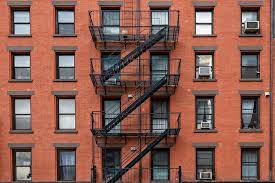
- Permanent Escape Ladders: These ladders are fixed to the exterior of a building and provide a permanent means of escape from upper floors. They are often made of durable materials like steel or aluminum and require professional installation.
Step 2: Familiarize Yourself with the Fire Escape Route In case of a fire, every second counts. Familiarize yourself and your family members with the designated fire escape routes in your home or building. Ensure that everyone knows where the fire escape ladders are located and how to access them quickly.
Step 3: Prepare the Fire Escape Ladder If you have a portable fire escape ladder, follow these steps to prepare it for use:
- Remove the ladder from its storage bag or container.
- Extend the ladder to its full length, following the manufacturer’s instructions.
- Attach the hooks or brackets securely to the windowsill or other support structure.
For permanent fire escape ladders, ensure that they are regularly inspected and maintained to ensure they are in good working condition.
Step 4: Use the Fire Escape Ladder Safely When using a fire escape ladder, keep these safety tips in mind:

- Stay Calm: In an emergency, staying calm is crucial. Encourage everyone to remain calm and follow the evacuation plan.
- Check for Heat and Smoke: Before opening a window or using the ladder, check for heat and smoke. If the window or ladder is hot to the touch, it may not be safe to use.
- Exit Feet First: When descending the ladder, always go feet first. This allows for better control and reduces the risk of falls.
- Communicate: If multiple people need to use the ladder, communicate and coordinate your actions to avoid congestion and accidents.
- Practice Regularly: Conduct fire drills and practice using the fire escape ladder regularly, especially if you have young children or elderly family members.
Conclusion: Fire escape ladders are invaluable tools for ensuring your safety during a fire emergency. By choosing the right type of ladder, familiarizing yourself with the escape routes, and practicing safety measures, you can be better prepared to handle a fire incident effectively. Stay safe and prioritize emergency preparedness in your home or workplace.

Common unsafe practices
- Relying on equipment without a hazard assessment
- Blocking or compromising escape routes
- Delaying the alarm or emergency call
- Attempting a response beyond training or safe conditions
- Re-entering before authorised clearance
- Treating a checklist as a substitute for competent inspection