
“Addressing India’s Road Safety Crisis: Strengthening First Responding Services”
What needs attention
- The article topic must be linked to the actual occupancy and hazard
- Prevention and early warning provide more safety margin than last-second intervention
- Equipment is effective only when correctly selected, accessible and maintained
- People need short practised actions and a clear decision to stop and escape
- Children, visitors and people needing assistance require explicit planning
- Records, drills and inspections matter only when defects are corrected
Controls that reduce risk
- Complete a task- and site-specific hazard assessment
- Verify applicable Indian, state and local requirements
- Use competent inspection for installed systems and specialist hazards
- Keep alarms, exits, signs and emergency access usable
- Train intended users and practise evacuation
- Record defects with an owner and completion date
- Review the plan after changes, incidents or near misses
Understand and apply the guidance
Introduction:
In the heartbeat of our nation’s bustling streets lies a silent tragedy – a crisis that claims lives every hour, shattering dreams and leaving families torn apart. It’s time to confront the stark reality of India’s road safety epidemic and rally behind a cause that demands our urgent attention.
The Disturbing Reality:
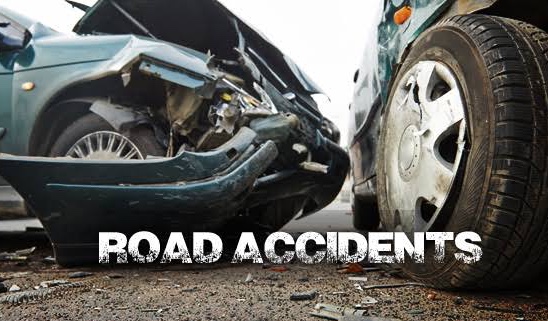
Every hour in India, approximately 20 lives are lost due to road traffic accidents. The numbers are staggering: over 443,000 road traffic injuries annually, with a devastating 168,000 lives lost. These statistics paint a grim picture of the challenges we face in ensuring road safety.
Comparative Analysis:
To put this into perspective, let’s examine the situation in ten leading economies of the world. The data is eye-opening:
- United States: 4.4 million injuries, 38,000 deaths (0.86% death rate)
- China: 2 million injuries, 58,000 deaths (2.90% death rate)
- Japan: 1.1 million injuries, 3,700 deaths (0.34% death rate)
- Germany: 308,000 injuries, 3,214 deaths (1.04% death rate)
- India: 443,366 injuries, 168,491 deaths (38.03% death rate)
- United Kingdom: 186,209 injuries, 1,748 deaths (0.94% death rate)
- France: 348,000 injuries, 3,239 deaths (0.93% death rate)
- Brazil: 266,302 injuries, 41,059 deaths (15.41% death rate)
- Italy: 206,312 injuries, 3,318 deaths (1.61% death rate)
- Canada: 127,384 injuries, 1,922 deaths (1.51% death rate)
An Urgent Call for Action:
These numbers serve as a wake-up call for all of us. We cannot turn a blind eye to the crisis at hand. It’s time to mobilize and take decisive action to improve road safety across the nation.
The Role of First Responding Services:
Central to addressing this crisis is the need to strengthen our first responding services. While initiatives like the 108 emergency response system have made strides, there is still much work to be done. Enhanced training, better equipment, and streamlined processes are essential to saving lives on our roads.
The Path Forward:
Mr. Nitin Gadkari, a revolutionary figure in infrastructure development, has acknowledged the need for action to reduce the high number of road traffic deaths. However, despite efforts, meaningful impact has been elusive. It’s imperative that we understand the actual problem and work towards effective solutions.
The Challenges Faced:
In India, first responding services have undergone evolution, from the local 102 medical emergency number to the nationally adopted 108 project by the GVK Foundation. Yet, there are gaps that need to be addressed. Without a doubt, upgrading these services is paramount to reducing fatalities and saving lives.
A Plea for Support:
As concerned citizens, we must raise our voices and demand change. Let’s urge the government to prioritize road safety and allocate resources towards strengthening first responding services. Together, we can make a tangible difference and build a safer future for all.
Conclusion:
The time for action is now. Let’s come together, confront India’s road safety crisis, and pave the way for a brighter, safer tomorrow. Every life lost on our roads is one too many. It’s time to make road safety a top priority and ensure that no more lives are needlessly lost.
Common unsafe practices
- Relying on equipment without a hazard assessment
- Blocking or compromising escape routes
- Delaying the alarm or emergency call
- Attempting a response beyond training or safe conditions
- Re-entering before authorised clearance
- Treating a checklist as a substitute for competent inspection