
Alarming Rise in Fire Incidents in Delhi: Analysing the First Six Months of 2024
What needs attention
- The article topic must be linked to the actual occupancy and hazard
- Prevention and early warning provide more safety margin than last-second intervention
- Equipment is effective only when correctly selected, accessible and maintained
- People need short practised actions and a clear decision to stop and escape
- Children, visitors and people needing assistance require explicit planning
- Records, drills and inspections matter only when defects are corrected
Controls that reduce risk
- Complete a task- and site-specific hazard assessment
- Verify applicable Indian, state and local requirements
- Use competent inspection for installed systems and specialist hazards
- Keep alarms, exits, signs and emergency access usable
- Train intended users and practise evacuation
- Record defects with an owner and completion date
- Review the plan after changes, incidents or near misses
Understand and apply the guidance
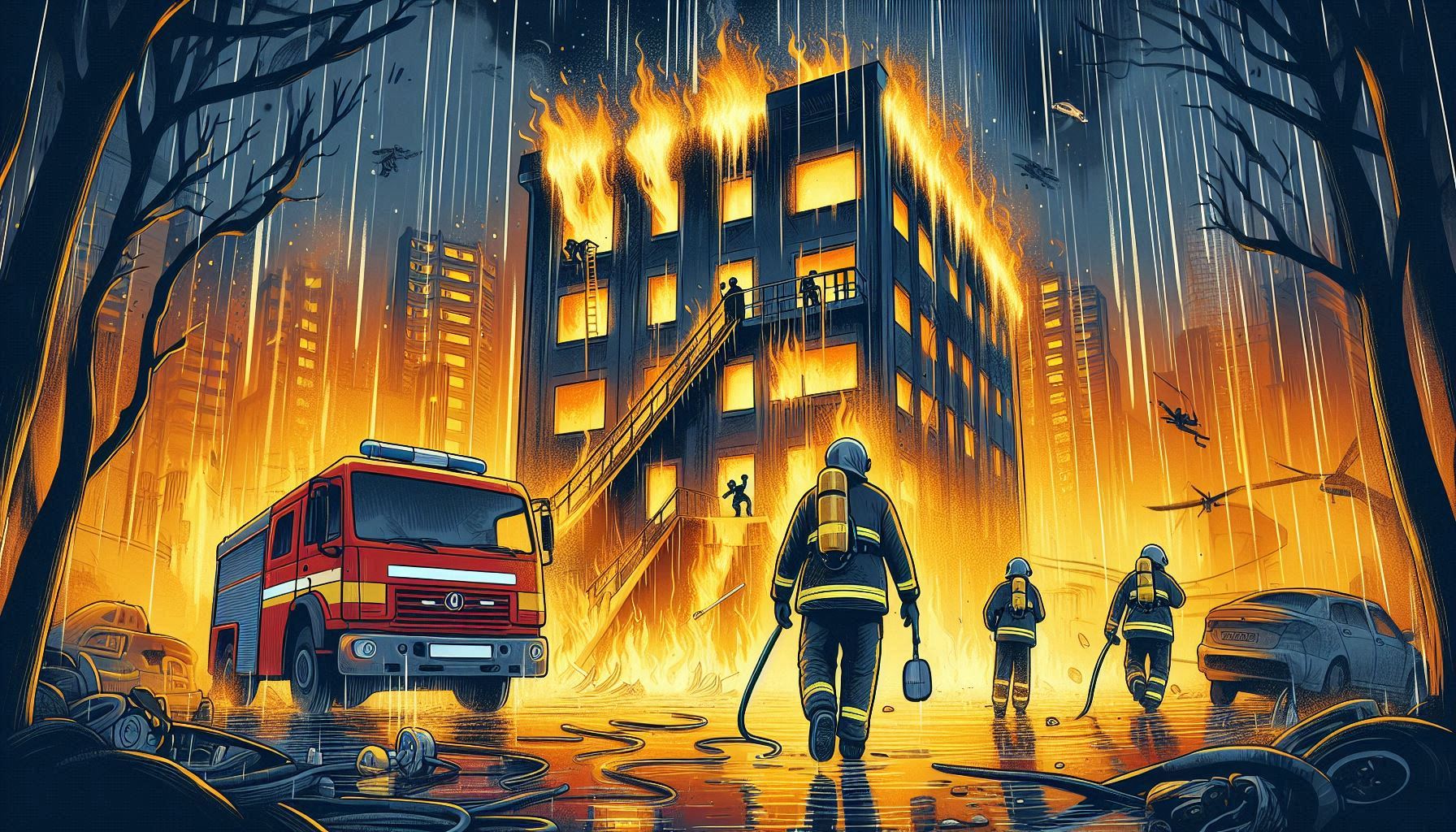
The first half of 2024 has seen a disturbing increase in fire incidents in Delhi, resulting in significant loss of life and injuries. According to data from the Delhi Fire Services (DFS), 83 people have lost their lives, and over 390 have been injured due to fires. This blog post delves into the statistics, major incidents, and the urgent need for improved fire safety measures in the national capital.
Grim Statistics: January to June 2024
The data from the DFS paints a bleak picture of fire safety in Delhi. Here is a month-by-month breakdown of fatalities and injuries caused by fire incidents:

- January: 16 fatalities, 51 injuries
- February: 16 fatalities, 42 injuries
- March: 12 fatalities, 62 injuries
- April: 4 fatalities, 78 injuries
- May: 7 fatalities, 84 injuries
- June (up to 24th): 24 fatalities, 77 injuries
These numbers highlight a troubling trend, with June witnessing the highest number of fatalities so far.
Major Fire Incidents
Several major fire incidents in the first half of 2024 have contributed to these alarming statistics. Here are some of the most devastating events:
1. Chhawala Tragedy (June 25) On June 25, four members of a family suffocated to death in the Chhawala area of Delhi’s Dwarka due to a fire in their residence. This tragic incident underscores the lethal potential of residential fires.
2. Vivek Vihar Hospital Fire (May) A massive fire at the Baby Care New Born Hospital in Vivek Vihar claimed the lives of seven newborns. The fire quickly spread to two adjacent buildings, exacerbating the devastation. This incident highlights the urgent need for stringent fire safety measures in healthcare facilities.
3. Krishna Nagar Residential Fire (May) On the same day as the Vivek Vihar hospital fire, three people perished in a blaze at a four-storey residential building in Krishna Nagar. The proximity of these two tragic events points to a larger issue with fire safety regulations in residential areas.
4. Alipur Paint Factory Explosion (February 15) An explosion and subsequent fire in a paint factory in Dayalpur market, Alipur, resulted in 11 deaths and four injuries. The charred bodies of the victims, including a woman, were recovered from the site. The fire, preceded by a blast, spread to nearby buildings, including a drug rehabilitation centre and eight shops. This incident highlights the dangers associated with industrial fires and the need for strict adherence to safety protocols.
5. Dwarka Residential Fire (February) In another tragic incident, an 83-year-old woman died, and her granddaughter sustained injuries after jumping off the fourth floor of their apartment building in Dwarka to escape a fire. This event underscores the desperation and dire consequences of insufficient fire escape options in residential buildings.
The Urgent Need for Improved Fire Safety
The increasing frequency and severity of fire incidents in Delhi call for immediate action to improve fire safety measures. Here are some key steps that can help prevent such tragedies:
**1. Enhanced Fire Safety Regulations Stricter enforcement of fire safety regulations in residential, commercial, and industrial buildings is crucial. Regular inspections and adherence to safety codes can prevent many fire incidents.
**2. Public Awareness and Education Public awareness campaigns and education on fire safety practices can significantly reduce the risk of fire incidents. People should be educated on the importance of installing smoke detectors, having fire extinguishers, and knowing evacuation routes.
**3. Improved Infrastructure Investing in fire-resistant building materials and infrastructure, such as fire alarms and sprinkler systems, can mitigate the impact of fires. Ensuring that buildings have adequate fire exits and escape routes is also vital.
**4. Prompt Emergency Response Enhancing the capabilities of the DFS through better equipment, training, and response times can save lives and reduce injuries during fire incidents.
Conclusion
The first six months of 2024 have highlighted the urgent need for improved fire safety measures in Delhi. With 83 lives lost and over 390 injuries, it is imperative to take proactive steps to prevent further tragedies. By enhancing regulations, raising public awareness, improving infrastructure, and ensuring prompt emergency responses, we can create a safer environment for all residents of Delhi.
This blog post aims to highlight the urgent need for improved fire safety measures in Delhi, based on the alarming statistics from the first half of 2024.
Stay informed. Stay prepared. Together, let’s learn how to survive.
Common unsafe practices
- Relying on equipment without a hazard assessment
- Blocking or compromising escape routes
- Delaying the alarm or emergency call
- Attempting a response beyond training or safe conditions
- Re-entering before authorised clearance
- Treating a checklist as a substitute for competent inspection