
Armor Against the Inferno the crucial role of fire protective clothing in fire and life safety
What needs attention
- The article topic must be linked to the actual occupancy and hazard
- Prevention and early warning provide more safety margin than last-second intervention
- PPE cannot compensate for an uncontrolled hazard
- People need short practised actions and a clear decision to stop and escape
- Children, visitors and people needing assistance require explicit planning
- Records, drills and inspections matter only when defects are corrected
Controls that reduce risk
- Complete a task- and site-specific hazard assessment
- Verify applicable Indian, state and local requirements
- Use competent inspection for installed systems and specialist hazards
- Keep alarms, exits, signs and emergency access usable
- Train intended users and practise evacuation
- Record defects with an owner and completion date
- Review the plan after changes, incidents or near misses
Understand and apply the guidance

Introduction:
In the face of the searing heat, acrid smoke, and unpredictable flames encountered in fire and life safety scenarios, firefighters and emergency responders don more than just a uniform; they equip themselves with a second skin – fire protective clothing. This article aims to unravel the paramount importance of fire protective clothing in fire and life safety, exploring its types, functionalities, and the critical role it plays in preserving the safety and effectiveness of those who confront the formidable challenges of battling blazes and ensuring public well-being.
I. Understanding the Fire Environment:
Before delving into the significance of fire protective clothing, it’s crucial to comprehend the unique challenges posed by the fire environment. From extreme temperatures and radiant heat to airborne particulate matter and potential exposure to hazardous chemicals, firefighters navigate a dynamic and perilous landscape. Fire protective clothing is designed not just as a uniform but as a sophisticated barrier against these multifaceted hazards.
II. Types of Fire Protective Clothing:
Fire protective clothing encompasses a range of specialized garments tailored to address specific aspects of fire-related hazards. Turnout gear, bunker gear, proximity suits, and wildland firefighting gear are among the common types used in different fire and life safety scenarios. The choice of fire protective clothing depends on factors such as the nature of the operation, the specific hazards faced, and the level of protection required.
III. Turnout Gear:
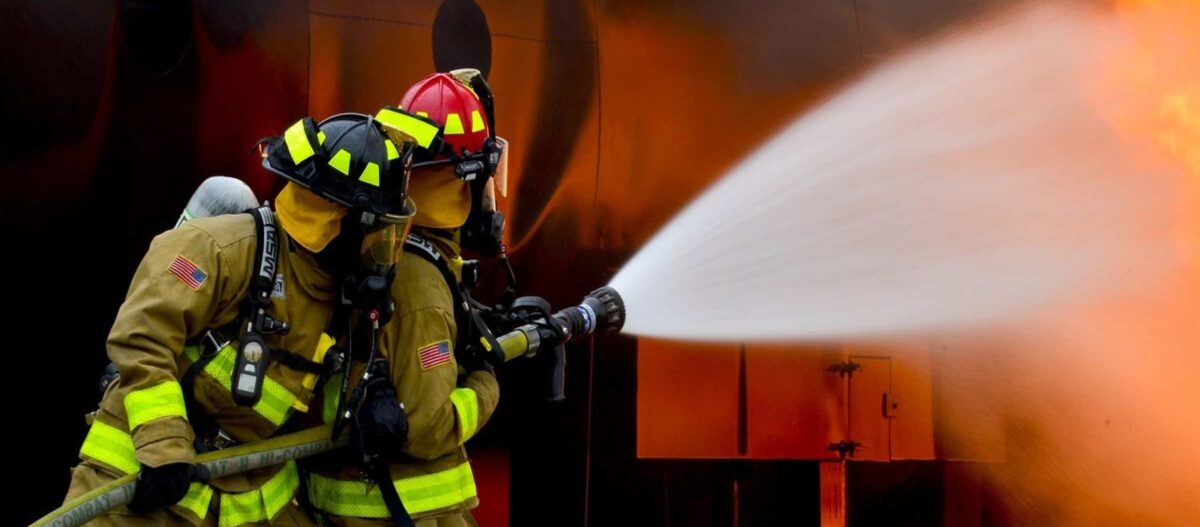
Turnout gear, often referred to as bunker gear, is the quintessential ensemble worn by firefighters. It consists of a coat, pants, helmet, gloves, and boots. The outer shell is typically made of flame-resistant materials such as Nomex or PBI, offering protection against direct flame exposure. The inner layers provide thermal insulation to shield the wearer from the intense heat encountered in structural firefighting scenarios.
IV. Proximity Suits:
Proximity suits are specialized fire protective clothing designed for responders dealing with high-temperature environments, such as those encountered in industrial settings or aircraft fires. These suits incorporate layers of aluminized materials to reflect radiant heat, providing enhanced protection against extreme temperatures. Proximity suits are equipped with a full hood, gloves, and boots to ensure comprehensive coverage.
V. Wildland Firefighting Gear:
Wildland firefighting gear is tailored for responders combating wildfires. This includes flame-resistant shirts and pants, often made of materials like Nomex, along with helmets, gloves, and boots. The focus of wildland firefighting gear is on providing protection against radiant heat and flame exposure while maintaining mobility and comfort during prolonged operations in outdoor environments.
VI. Structural Fire Helmets:
Helmets are a critical component of fire protective clothing, providing protection for the head and enhancing overall safety. Structural fire helmets are designed with a rigid outer shell and an interior suspension system to absorb impact. The helmet’s face shield protects the eyes and face from debris and radiant heat, ensuring the safety and visibility of firefighters in the heat of battle.
VII. PPE Integration:
Fire protective clothing is seldom worn in isolation. It is an integral part of a broader ensemble of Personal Protective Equipment (PPE). Integration with respiratory protection, eye protection, and hearing protection is crucial for comprehensive safety. Ensuring that different components of PPE work seamlessly together enhances overall protection and the ability of responders to carry out their duties effectively.
VIII. Thermal Insulation:
One of the primary functions of fire protective clothing is to provide thermal insulation against the extreme heat of a fire. Multilayered construction with materials like aramid fibers, Nomex, or PBI creates a barrier that shields the wearer from burns and thermal injuries. Understanding the thermal insulation properties of the clothing is crucial for selecting the right gear based on the intensity of the fire environment.
IX. Moisture Barrier:
Firefighters often encounter water and other liquids in the course of their duties. Fire protective clothing incorporates a moisture barrier, typically made of materials like Gore-Tex or PTFE, to prevent water penetration. A reliable moisture barrier is essential for maintaining the integrity of thermal insulation and ensuring that the clothing remains effective even in wet conditions.
X. Breathability:
The physical demands of firefighting make breathability a critical factor in the design of fire protective clothing. While the clothing must provide a barrier against external hazards, it should also allow for the release of internal heat and moisture to prevent overheating and discomfort. Breathable fabrics and ventilation systems contribute to the overall comfort of the gear during extended wear.
XI. Cleaning and Maintenance:
Regular cleaning and maintenance are imperative to preserve the functionality and effectiveness of fire protective clothing. Exposure to smoke, chemicals, and contaminants can compromise the protective features of the gear. Following manufacturer guidelines for cleaning and inspection ensures that the clothing remains in optimal condition, ready to provide maximum protection when needed.
XII. Training and Familiarization:
Proper training and familiarization with fire protective clothing are essential for the safety and effectiveness of emergency responders. Training programs should cover donning and doffing procedures, proper use of the gear, and understanding the limitations of the clothing. Familiarity with the features of fire protective clothing empowers responders to make informed decisions and respond effectively in the heat of the moment.
XIII. Evolving Technologies:
Advancements in technology continually shape the landscape of fire protective clothing. Research and innovation lead to the development of materials with enhanced flame resistance, improved breathability, and increased durability. Incorporating these advancements into the design of fire protective clothing ensures that responders benefit from the latest technologies in their ongoing commitment to safeguarding lives and property.
Conclusion:
Fire protective clothing stands as an indispensable shield in the fiery crucible where emergency responders confront the unpredictable and often overwhelming challenges of fire and life safety. From the intense heat of structural fires to the radiant energy of industrial incidents, the protective layers of turnout gear are a testament to the commitment of those who rush into danger to protect and serve. Choosing and consistently wearing the right fire protective clothing is not just a matter of compliance; it is a commitment to the safety, resilience, and effectiveness of those who stand on the front lines of safety and rescue. As technology advances and awareness grows, fire protective clothing continues to evolve, ensuring that it remains at the forefront of innovation and effectiveness in the noble pursuit of safeguarding lives.
Common unsafe practices
- Relying on equipment without a hazard assessment
- Blocking or compromising escape routes
- Delaying the alarm or emergency call
- Attempting a response beyond training or safe conditions
- Re-entering before authorised clearance
- Treating a checklist as a substitute for competent inspection