
Crafting a Comprehensive Fire Escape Plan: Your Key to Safety
What needs attention
- The article topic must be linked to the actual occupancy and hazard
- Prevention and early warning provide more safety margin than last-second intervention
- Equipment is effective only when correctly selected, accessible and maintained
- People need short practised actions and a clear decision to stop and escape
- Children, visitors and people needing assistance require explicit planning
- Records, drills and inspections matter only when defects are corrected
Controls that reduce risk
- Complete a task- and site-specific hazard assessment
- Verify applicable Indian, state and local requirements
- Use competent inspection for installed systems and specialist hazards
- Keep alarms, exits, signs and emergency access usable
- Train intended users and practise evacuation
- Record defects with an owner and completion date
- Review the plan after changes, incidents or near misses
Understand and apply the guidance
Introduction
Fire safety isn’t just about knowing what to do in the event of a fire; it’s about being prepared with a well-thought-out plan that can save lives. A fire escape plan is a crucial aspect of ensuring the safety of your household in case of a fire emergency. In this article, we’ll explore the importance of having a fire escape plan, the key elements to include, and steps to create one that ensures the safety of your loved ones and your property.
The Significance of a Fire Escape Plan
A fire escape plan is a detailed strategy that outlines how your household will respond, evacuate, and communicate during a fire emergency. Having a clear plan in place offers several important benefits:
- Speedy Evacuation: A well-rehearsed plan can significantly reduce the time it takes to evacuate your home, minimizing the risk of being trapped by flames or smoke.
- Reduced Panic: A plan helps to eliminate confusion and panic during an emergency. Knowing exactly what to do can keep everyone focused and calm.
- Effective Communication: A fire escape plan includes communication strategies, ensuring that all family members are accounted for and that emergency services are notified promptly.
- Maximum Safety: A fire escape plan is designed to prioritize the safety of everyone involved, allowing them to avoid potentially dangerous situations.
Key Elements of a Fire Escape Plan
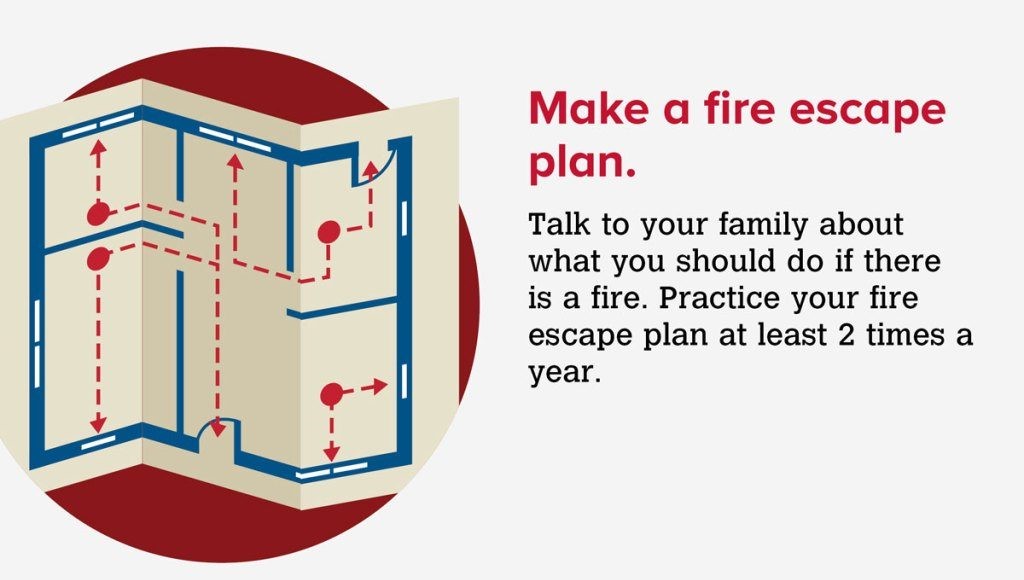
- Draw a Floor Plan: Start by drawing a floor plan of your home, including all possible exits from each room. Label windows, doors, and other potential escape routes.
- Identify Primary and Secondary Exits: For each room, identify the primary exit and an alternative (secondary) exit. This could be a window or another door.
- Designate Meeting Points: Choose a designated meeting point outside your home where everyone will gather after evacuating. This ensures that everyone is accounted for and safe.
- Communicate Responsibilities: Assign roles to family members. For instance, someone might be responsible for helping younger children or pets to safety.
- Emergency Contact: Include emergency phone numbers on your escape plan. This could include the local fire department, medical facilities, and a contact person outside your home.
- Practice Regularly: Conduct fire drills with your family, simulating various scenarios. Practice different escape routes to ensure that everyone is familiar with the plan.
Steps to Create a Fire Escape Plan
- Involve Everyone: Gather all household members and discuss the importance of having a fire escape plan. Explain the roles each person will play during an emergency.
- Map Your Home: Draw a rough floor plan of your home. Include all rooms, windows, and doors, as well as the locations of smoke detectors and fire extinguishers.
- Identify Exits: Mark the primary and secondary exits for each room on the floor plan. Ensure that windows and doors are easy to open and accessible.
- Plan for Different Scenarios: Consider various scenarios, such as fires starting at different locations. Plan routes that take these scenarios into account.
- Choose Meeting Points: Designate a safe meeting point outside your home, away from danger. This could be a neighbor’s house, a mailbox, or a tree.
- Practice Makes Perfect: Conduct fire drills regularly. Practice using different escape routes and meeting at the designated point. Make sure everyone knows how to sound the alarm and call for help.
- Stay Informed: Keep your escape plan up to date. If your household changes (e.g., new family members, renovation), adjust the plan accordingly.
Tips for Effective Fire Drills
- Use a Timer: Set a timer for your fire drills to mimic the urgency of a real emergency.
- Test Smoke Alarms: Test your smoke alarms during drills to ensure they’re functioning properly.
- Practice at Night: Conduct drills during nighttime hours to familiarize everyone with the process in low visibility conditions.
- Stay Low: Emphasize the importance of staying low to avoid smoke inhalation during evacuation.
- Account for Disabilities: If someone in your household has mobility or other disabilities, plan escape routes that cater to their needs.
Conclusion
A fire escape plan isn’t just a document; it’s a lifeline that can save lives. By taking the time to craft a comprehensive plan, involving every family member, and practicing regularly, you’re taking active steps to ensure the safety of your loved ones in the event of a fire emergency. Remember, preparation is the key to effective response. A well-rehearsed fire escape plan can mean the difference between chaos and calm, and ultimately, between danger and safety.
Common unsafe practices
- Relying on equipment without a hazard assessment
- Blocking or compromising escape routes
- Delaying the alarm or emergency call
- Attempting a response beyond training or safe conditions
- Re-entering before authorised clearance
- Treating a checklist as a substitute for competent inspection