
Deluge Valve: A Key Component in Fire Protection Systems
What needs attention
- The article topic must be linked to the actual occupancy and hazard
- Prevention and early warning provide more safety margin than last-second intervention
- Equipment is effective only when correctly selected, accessible and maintained
- People need short practised actions and a clear decision to stop and escape
- Children, visitors and people needing assistance require explicit planning
- Records, drills and inspections matter only when defects are corrected
Controls that reduce risk
- Complete a task- and site-specific hazard assessment
- Verify applicable Indian, state and local requirements
- Use competent inspection for installed systems and specialist hazards
- Keep alarms, exits, signs and emergency access usable
- Train intended users and practise evacuation
- Record defects with an owner and completion date
- Review the plan after changes, incidents or near misses
Understand and apply the guidance
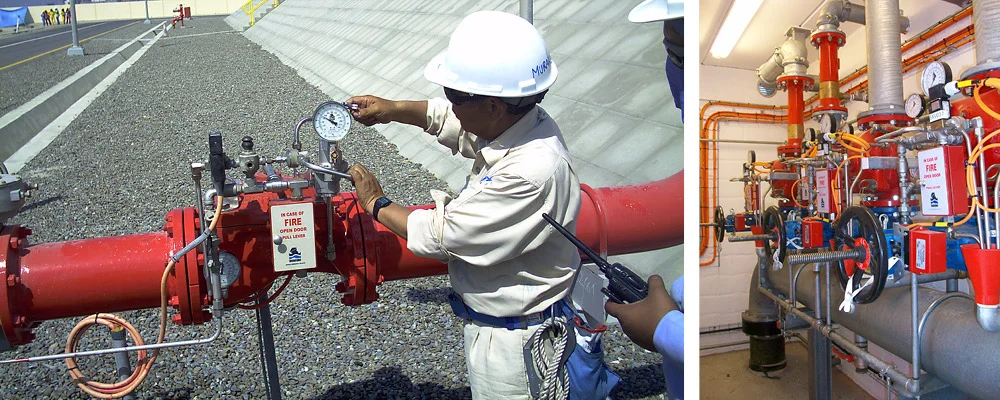
A deluge valve is a critical component in fire protection systems, specifically designed for high-risk areas that require immediate and comprehensive water coverage to control fires. Unlike traditional sprinkler systems, deluge systems release water through all sprinklers simultaneously, ensuring rapid suppression of fires. This blog will explore what deluge valves are, how they work, and their importance in fire protection.
What is a Deluge Valve?
A deluge valve is a type of automatic control valve used in fire suppression systems. It controls the flow of water into a piping system that supplies open nozzles or sprinklers. When activated, the deluge valve releases a large volume of water to suppress a fire quickly. These valves are typically found in high-hazard areas where rapid fire spread is a significant concern, such as industrial facilities, chemical plants, and aircraft hangars.
How Does a Deluge Valve Work?
- System Setup:
- The deluge valve is installed in a normally closed position, preventing water from entering the sprinkler piping network.
- The system is connected to a water supply and a network of open nozzles or sprinklers.
- Activation Mechanism:
- Deluge systems are usually activated by a separate fire detection system, such as heat, smoke, or flame detectors.
- When the detection system senses a fire, it sends a signal to the deluge valve to open.
- Water Discharge:
- Upon receiving the signal, the deluge valve opens, allowing water to flow through the piping network.
- Water is discharged through all open nozzles or sprinklers simultaneously, flooding the protected area and suppressing the fire.
- Manual Override:
- Deluge systems often include a manual activation option, allowing personnel to trigger the system in the event of a fire.
Importance of Deluge Valves in Fire Protection
- Rapid Fire Suppression:
- Deluge valves provide immediate and widespread water coverage, crucial for controlling fires in high-hazard areas.
- The quick response helps to prevent the fire from spreading and causing extensive damage.
- Protection for High-Risk Environments:
- Deluge systems are ideal for locations where flammable liquids, gases, or other hazardous materials are present.
- They offer a robust fire suppression solution for environments with a high risk of rapid fire spread.
- Flexibility and Control:
- Deluge valves can be integrated with various fire detection systems, offering flexibility in fire protection strategies.
- They allow for both automatic and manual activation, providing control in emergency situations.
- Compliance with Safety Standards:
- Using deluge valves helps facilities comply with safety regulations and standards set by fire protection authorities.
- Ensuring proper installation and maintenance of deluge systems is essential for regulatory compliance.
Best Practices for Using Deluge Valves
- Regular Maintenance and Inspection:
- Conduct regular inspections and maintenance of deluge valves to ensure they are in proper working condition.
- Check for any signs of corrosion, wear, or damage that could impair functionality.
- Integration with Detection Systems:
- Ensure that the deluge valve is correctly integrated with fire detection systems for timely activation.
- Test the detection systems periodically to confirm they are functioning correctly.
- Training and Preparedness:
- Train personnel on the operation of deluge systems, including manual activation procedures.
- Conduct regular fire drills to ensure that staff are familiar with emergency protocols.
- Proper Installation:
- Ensure that deluge valves are installed according to manufacturer guidelines and industry standards.
- Verify that the system design meets the specific fire protection needs of the facility.
Conclusion
Deluge valves are a vital component of fire protection systems in high-risk environments, providing rapid and comprehensive water coverage to suppress fires effectively. Understanding their function, importance, and best practices for use can significantly enhance fire safety in industrial and commercial settings. By investing in quality deluge systems and maintaining them properly, facilities can ensure a swift and effective response to fire emergencies, protecting both lives and property.
Common unsafe practices
- Relying on equipment without a hazard assessment
- Blocking or compromising escape routes
- Delaying the alarm or emergency call
- Attempting a response beyond training or safe conditions
- Re-entering before authorised clearance
- Treating a checklist as a substitute for competent inspection