
Difference Between Fire Sprinkler Systems and Fire Suppression Systems
What needs attention
- The article topic must be linked to the actual occupancy and hazard
- Prevention and early warning provide more safety margin than last-second intervention
- Equipment is effective only when correctly selected, accessible and maintained
- People need short practised actions and a clear decision to stop and escape
- Children, visitors and people needing assistance require explicit planning
- Records, drills and inspections matter only when defects are corrected
Controls that reduce risk
- Complete a task- and site-specific hazard assessment
- Verify applicable Indian, state and local requirements
- Use competent inspection for installed systems and specialist hazards
- Keep alarms, exits, signs and emergency access usable
- Train intended users and practise evacuation
- Record defects with an owner and completion date
- Review the plan after changes, incidents or near misses
Understand and apply the guidance
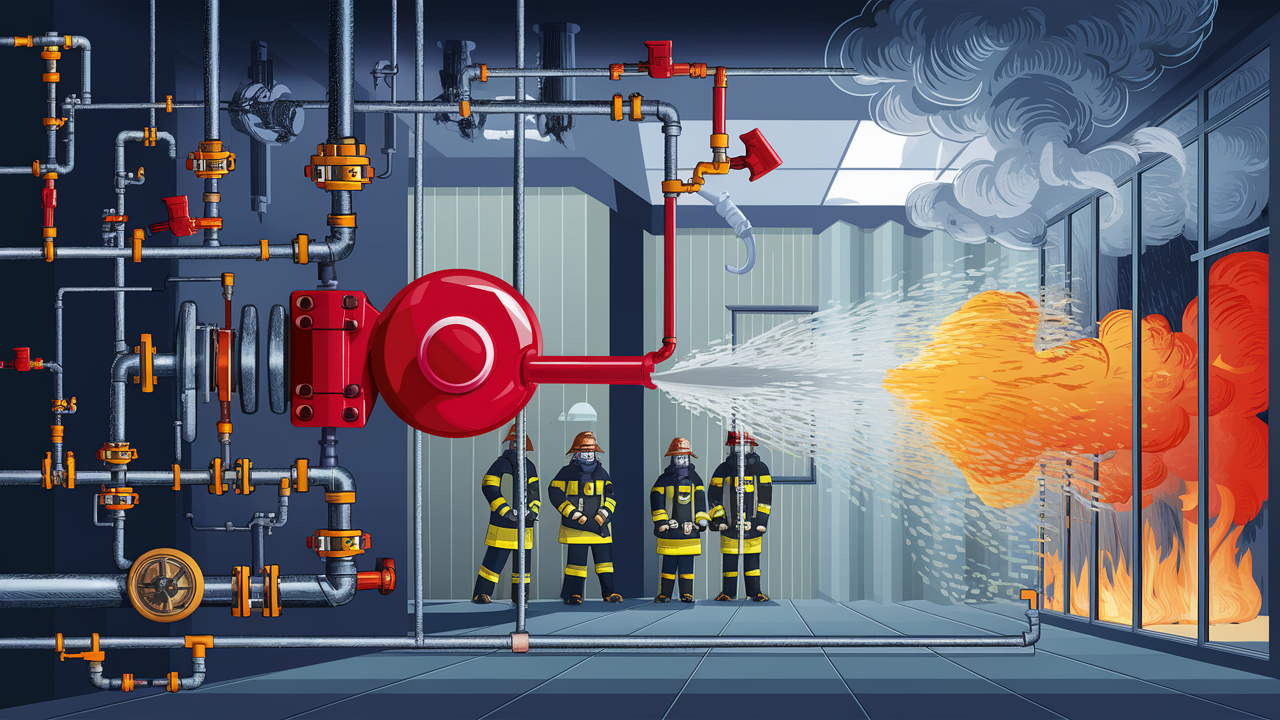
When it comes to fire safety, understanding the different types of fire protection systems is crucial. Fire sprinkler systems and fire suppression systems are two primary methods used to control or extinguish fires. Although both systems aim to protect lives and property, they operate in distinct ways and are suited for different environments. This article explores the key differences between fire sprinkler systems and fire suppression systems.
Fire Sprinkler Systems
1. How They Work Fire sprinkler systems are designed to control and extinguish fires by releasing water. These systems are activated when heat from a fire causes the sprinkler heads to reach a certain temperature, typically resulting in the breaking of a glass bulb or the melting of a fusible link, which then releases water.
2. Types of Fire Sprinkler Systems
- Wet Pipe Systems: These systems are always filled with water and are the most common type of sprinkler system.
- Dry Pipe Systems: These systems are filled with pressurized air or nitrogen, which is released when a sprinkler head is activated, allowing water to flow through the pipes.
- Deluge Systems: These systems have open sprinkler heads and are used in high-hazard areas. When activated, water is released through all sprinkler heads simultaneously.
- Pre-Action Systems: These systems are similar to dry pipe systems but require an additional triggering event, such as the activation of a smoke or heat detector, before water is released.
3. Applications Fire sprinkler systems are commonly used in residential, commercial, and industrial buildings. They are effective in controlling fires in areas where water can safely extinguish a fire without causing significant damage.
Fire Suppression Systems
1. How They Work Fire suppression systems use various agents other than water to extinguish fires. These agents can include chemical, gaseous, or foam substances. Suppression systems are activated by detecting smoke, heat, or flame, and then release the appropriate agent to suppress the fire.
2. Types of Fire Suppression Systems
- Chemical Suppression Systems: These systems use chemicals such as potassium carbonate or sodium bicarbonate to suppress fires. They are often used in commercial kitchens.
- Gaseous Suppression Systems: These systems release gases like FM-200, CO2, or inert gases to displace oxygen and extinguish the fire. They are commonly used in data centers, server rooms, and other areas with sensitive electronic equipment.
- Foam Suppression Systems: These systems use foam to cover the fuel source and prevent it from reigniting. They are typically used in areas with flammable liquids, such as fuel storage facilities and aircraft hangars.
3. Applications Fire suppression systems are used in environments where water might cause additional damage or be ineffective. These systems are suitable for protecting critical infrastructure, valuable assets, and areas with electrical or chemical hazards.
Key Differences
- Extinguishing Agents:
- Fire Sprinkler Systems: Use water to control or extinguish fires.
- Fire Suppression Systems: Use alternative agents (chemical, gaseous, or foam) to suppress fires.
- Activation Method:
- Fire Sprinkler Systems: Activated by heat causing sprinkler heads to open.
- Fire Suppression Systems: Activated by detecting smoke, heat, or flame, and then releasing the suppression agent.
- Applications:
- Fire Sprinkler Systems: Suitable for a wide range of environments, including residential, commercial, and industrial buildings.
- Fire Suppression Systems: Ideal for areas where water is unsuitable, such as data centers, commercial kitchens, and hazardous material storage.
- Damage Considerations:
- Fire Sprinkler Systems: Can cause water damage, which might be undesirable in some settings.
- Fire Suppression Systems: Minimize collateral damage by using non-water-based agents.
Conclusion
Understanding the differences between fire sprinkler systems and fire suppression systems is essential for selecting the right fire protection strategy for your environment. While fire sprinkler systems are effective for general use and widely applicable, fire suppression systems provide specialized protection where water may not be suitable. By choosing the appropriate system, you can ensure optimal fire safety and protection for your specific needs.
Common unsafe practices
- Relying on equipment without a hazard assessment
- Blocking or compromising escape routes
- Delaying the alarm or emergency call
- Attempting a response beyond training or safe conditions
- Re-entering before authorised clearance
- Treating a checklist as a substitute for competent inspection