
Electrical Cabinet Fire Suppression Systems: Safeguarding Sensitive Equipment
What needs attention
- The article topic must be linked to the actual occupancy and hazard
- Prevention and early warning provide more safety margin than last-second intervention
- Equipment is effective only when correctly selected, accessible and maintained
- People need short practised actions and a clear decision to stop and escape
- Children, visitors and people needing assistance require explicit planning
- Records, drills and inspections matter only when defects are corrected
Controls that reduce risk
- Complete a task- and site-specific hazard assessment
- Verify applicable Indian, state and local requirements
- Use competent inspection for installed systems and specialist hazards
- Keep alarms, exits, signs and emergency access usable
- Train intended users and practise evacuation
- Record defects with an owner and completion date
- Review the plan after changes, incidents or near misses
Understand and apply the guidance
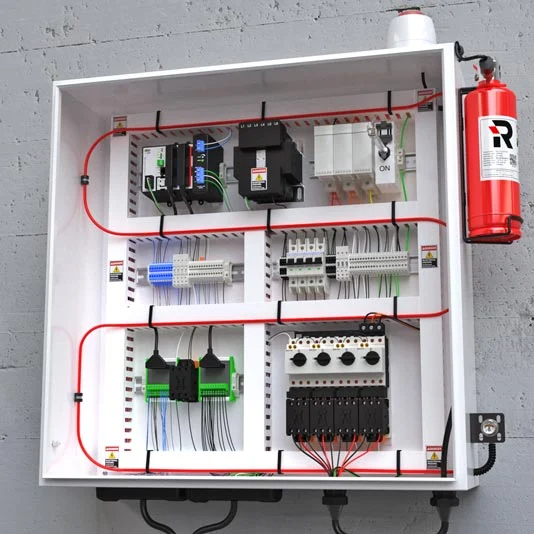
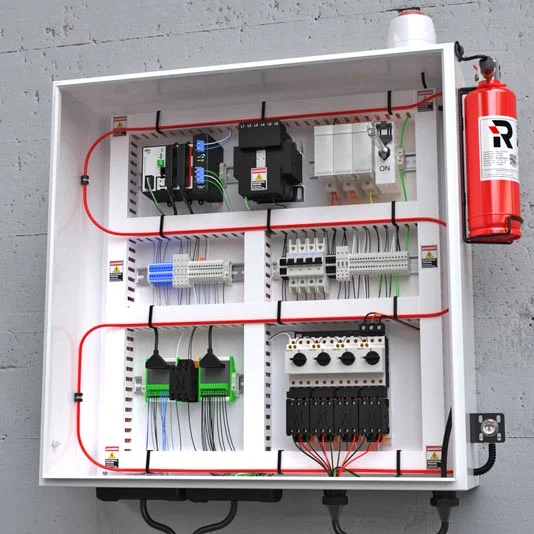
Electrical Cabinet Fire Suppression Systems are crucial components of fire safety strategies in environments housing sensitive electrical equipment. These specialized systems are designed to detect and suppress fires within electrical cabinets, safeguarding valuable equipment and preventing potential disruptions or disasters. This informational content delves into the workings, benefits, and applications of Electrical Cabinet Fire Suppression Systems.
Understanding Electrical Cabinet Fire Suppression Systems
Electrical Cabinet Fire Suppression Systems are tailored solutions specifically engineered to protect electrical cabinets, panels, and enclosures from fire hazards. These systems utilize advanced detection mechanisms and suppression agents to swiftly respond to fire events and mitigate the risk of damage or downtime.
Key Components and Mechanisms
- Detection Mechanisms: Electrical Cabinet Fire Suppression Systems employ various detection mechanisms such as smoke detectors, heat sensors, or linear heat detection cables. These detectors continuously monitor the environment for signs of fire, triggering the suppression system upon detection.
- Suppression Agents: The suppression agent used in these systems is carefully selected based on the type of fire hazards and the sensitivity of the electrical equipment. Common suppression agents include clean agents like FM-200 or CO2, which are effective in extinguishing fires without causing damage to sensitive electronics.
- Discharge Mechanisms: Upon detection of a fire, the suppression system activates discharge mechanisms to release the suppression agent directly into the electrical cabinet. This rapid deployment suffocates the fire and prevents it from spreading, minimizing damage to the equipment.
Benefits and Advantages
- Rapid Response Time: Electrical Cabinet Fire Suppression Systems offer rapid response times, crucial for containing fires within the confined space of electrical cabinets. Swift suppression helps prevent escalation and limits damage to the equipment.
- Minimal Damage: The use of clean agents ensures that the suppression process leaves minimal residue, preventing damage to sensitive electronics and minimizing cleanup efforts.
- Enhanced Safety: By proactively detecting and suppressing fires within electrical cabinets, these systems contribute to overall safety in the workplace, reducing the risk of injuries, property damage, and business disruptions.
- Compliance: Installation of Electrical Cabinet Fire Suppression Systems helps ensure compliance with safety regulations and standards, providing peace of mind to facility owners and operators.
Applications
Electrical Cabinet Fire Suppression Systems find applications in various industries and environments, including:
- Data Centers: Protecting critical data and minimizing downtime by safeguarding servers and networking equipment from fire.
- Telecommunication Facilities: Ensuring continuous communication services by protecting switches, routers, and other essential equipment.
- Industrial Manufacturing Plants: Preventing fire-related interruptions in production lines and protecting control panels and machinery.
- Commercial Buildings: Enhancing fire safety in offices, retail spaces, and other commercial environments with electrical infrastructure.
- Power Distribution Centers: Safeguarding electrical distribution systems and ensuring uninterrupted power supply.
Conclusion
In conclusion, Electrical Cabinet Fire Suppression Systems play a critical role in protecting sensitive electrical equipment and ensuring fire safety in various settings. With their advanced detection capabilities, rapid response times, and minimal damage, these systems provide an effective solution for mitigating the risks associated with electrical fires. Whether safeguarding data centers, telecommunications infrastructure, or industrial facilities, Electrical Cabinet Fire Suppression Systems are indispensable assets in comprehensive fire protection strategies.
Stay informed. Stay prepared. Together, let’s learn how to survive.
#HowToSurvive #FireSuppression #ElectricalSafety #EmergencyPreparedness #FireSafety #DisasterManagement #SurvivalSkills #PublicSafety #Awareness #Education #Resilience #CommunitySafety #CleanAgentSuppression #FireProtection
Common unsafe practices
- Relying on equipment without a hazard assessment
- Blocking or compromising escape routes
- Delaying the alarm or emergency call
- Attempting a response beyond training or safe conditions
- Re-entering before authorised clearance
- Treating a checklist as a substitute for competent inspection