
Emergency Preparedness for Families: Creating a Family Safety Plan
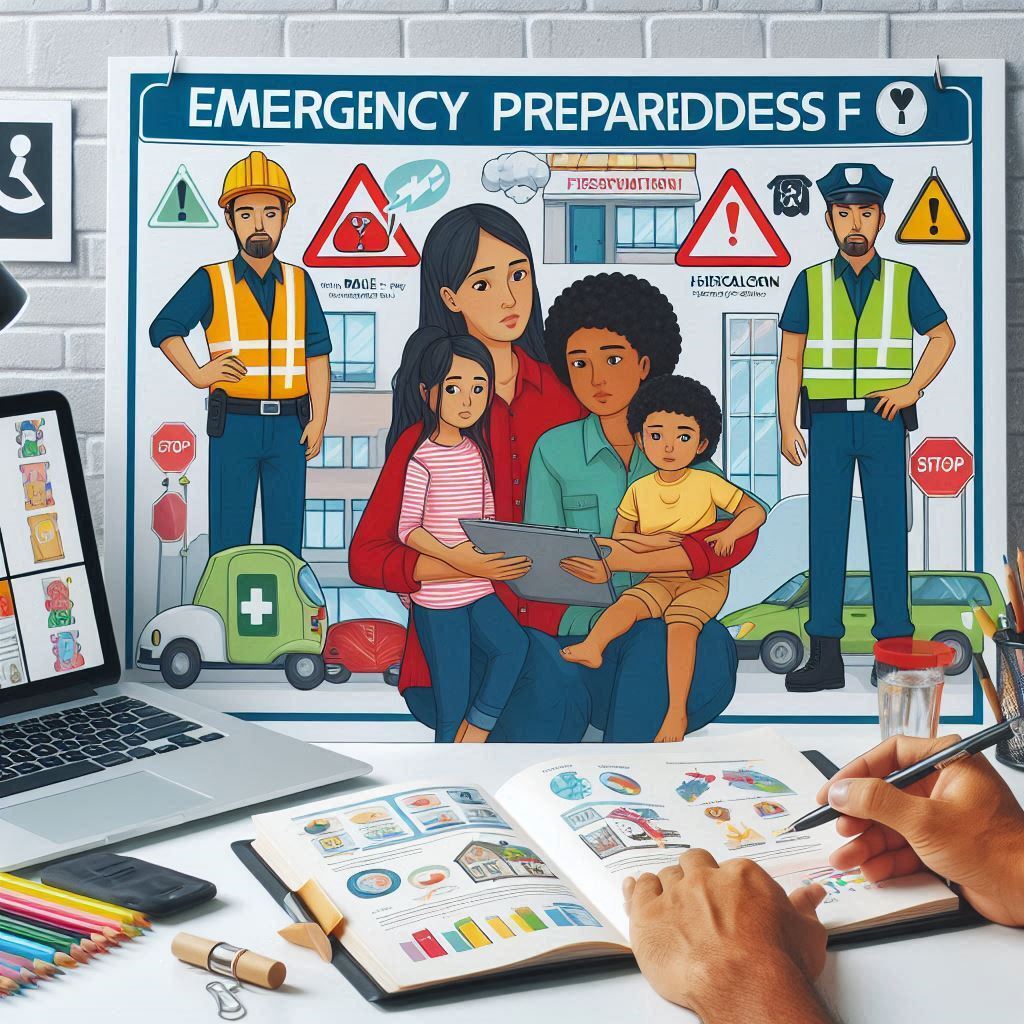
What needs attention
- The article topic must be linked to the actual occupancy and hazard
- Prevention and early warning provide more safety margin than last-second intervention
- Equipment is effective only when correctly selected, accessible and maintained
- People need short practised actions and a clear decision to stop and escape
- Children, visitors and people needing assistance require explicit planning
- Records, drills and inspections matter only when defects are corrected
Controls that reduce risk
- Complete a task- and site-specific hazard assessment
- Verify applicable Indian, state and local requirements
- Use competent inspection for installed systems and specialist hazards
- Keep alarms, exits, signs and emergency access usable
- Train intended users and practise evacuation
- Record defects with an owner and completion date
- Review the plan after changes, incidents or near misses
Understand and apply the guidance
Emergencies can be unpredictable and chaotic, but having a family safety plan in place can make a significant difference in how well you and your loved ones respond. At HowToSurvive.in, we believe that preparedness is key to ensuring the safety and well-being of your family during any crisis. Here’s how to create a comprehensive family safety plan.
1. Identify Potential Emergencies
The first step in creating a family safety plan is to identify the types of emergencies that are most likely to occur in your area. These might include:
- Natural disasters (earthquakes, floods, hurricanes, wildfires)
- Home fires
- Medical emergencies
- Power outages
- Severe weather
Understanding the risks specific to your region will help you tailor your plan to address those threats effectively.
2. Develop an Emergency Communication Plan
In the event of an emergency, communication is critical. Your family’s communication plan should include:
- Emergency Contacts: Create a list of important phone numbers, including family members, neighbours, and local emergency services. Ensure everyone has a copy.
- Out-of-Town Contact: Choose a relative or friend outside your area as a central contact point. This person can help coordinate communication if local lines are down.
- Meeting Points: Establish two meeting places—one near your home and one outside your neighbourhood—in case you need to evacuate or become separated.
3. Assemble an Emergency Kit
An emergency kit should contain essential supplies to sustain your family for at least 72 hours. Key items include:
- Water: One gallon per person per day.
- Non-perishable Food: Enough for several days.
- First Aid Kit: Include medications, bandages, antiseptics, and any necessary prescription medications.
- Tools and Supplies: Flashlight, batteries, multipurpose tool, local maps, and a whistle.
- Personal Items: Copies of important documents, cash, clothing, and hygiene products.
- Special Needs: Items for infants, pets, or anyone with specific health needs.
4. Create a Family Emergency Plan
Your family emergency plan should detail the steps to take during different types of emergencies. This includes:
- Evacuation Routes: Identify and practice multiple routes out of your home and neighbourhood.
- Sheltering in Place: Know how to secure your home and which room is safest during severe weather or other emergencies.
- Roles and Responsibilities: Assign tasks to each family member, such as who will grab the emergency kit or check on pets.
5. Practice Regular Drills
Conduct regular emergency drills to ensure everyone knows what to do and where to go. Practice different scenarios, such as:
- Evacuating the home during a fire
- Reacting to an earthquake
- Seeking shelter during a storm
These drills will help your family react quickly and calmly during an actual emergency.
6. Stay Informed
Keep up to date with local emergency plans and procedures. Sign up for alerts from local authorities to receive real-time information about emergencies in your area. Make sure you know where to find reliable information during a crisis.
Conclusion
Emergency preparedness is a crucial part of keeping your family safe. By taking the time to create and practice a family safety plan, you can ensure that everyone knows what to do in an emergency. At HowToSurvive.in, we provide the resources and information you need to prepare for any crisis. Visit our Blogs and Case Study for more tips and tutorials on emergency preparedness.
Stay informed. Stay prepared. Together, let’s learn how to survive.
Common unsafe practices
- Relying on equipment without a hazard assessment
- Blocking or compromising escape routes
- Delaying the alarm or emergency call
- Attempting a response beyond training or safe conditions
- Re-entering before authorised clearance
- Treating a checklist as a substitute for competent inspection