
Ensuring Fire Safety in Public Buildings: Adherence to the National Building Code
What needs attention
- The article topic must be linked to the actual occupancy and hazard
- Prevention and early warning provide more safety margin than last-second intervention
- Equipment is effective only when correctly selected, accessible and maintained
- People need short practised actions and a clear decision to stop and escape
- Children, visitors and people needing assistance require explicit planning
- Records, drills and inspections matter only when defects are corrected
Controls that reduce risk
- Complete a task- and site-specific hazard assessment
- Verify applicable Indian, state and local requirements
- Use competent inspection for installed systems and specialist hazards
- Keep alarms, exits, signs and emergency access usable
- Train intended users and practise evacuation
- Record defects with an owner and completion date
- Review the plan after changes, incidents or near misses
Understand and apply the guidance
Fire safety in public buildings remains a critical issue in India. Despite the existence of robust guidelines under the National Building Code (NBC), lack of enforcement by states has led to devastating fire disasters. This blog delves into the current state of fire safety regulations, the guidelines under the NBC, and the pressing need for effective implementation.
Background
Fire accidents in public buildings are a recurrent tragedy in India. Recent incidents, such as the hospital fires in Bharuch (Gujarat), Virar (Mumbai), and Mumbra (near Thane), have resulted in the deaths of at least 37 people. According to the National Crime Records Bureau (NCRB), 330 people died in commercial building fires in 2019. When residential buildings are included, the fatality rate rises significantly to 6,329. Common causes of these fires include electrical failures, non-compliance with safety laws, and lack of modern fire safety technology in public buildings.
Legal Provisions for Fire Safety Compliance
National Building Code (NBC)
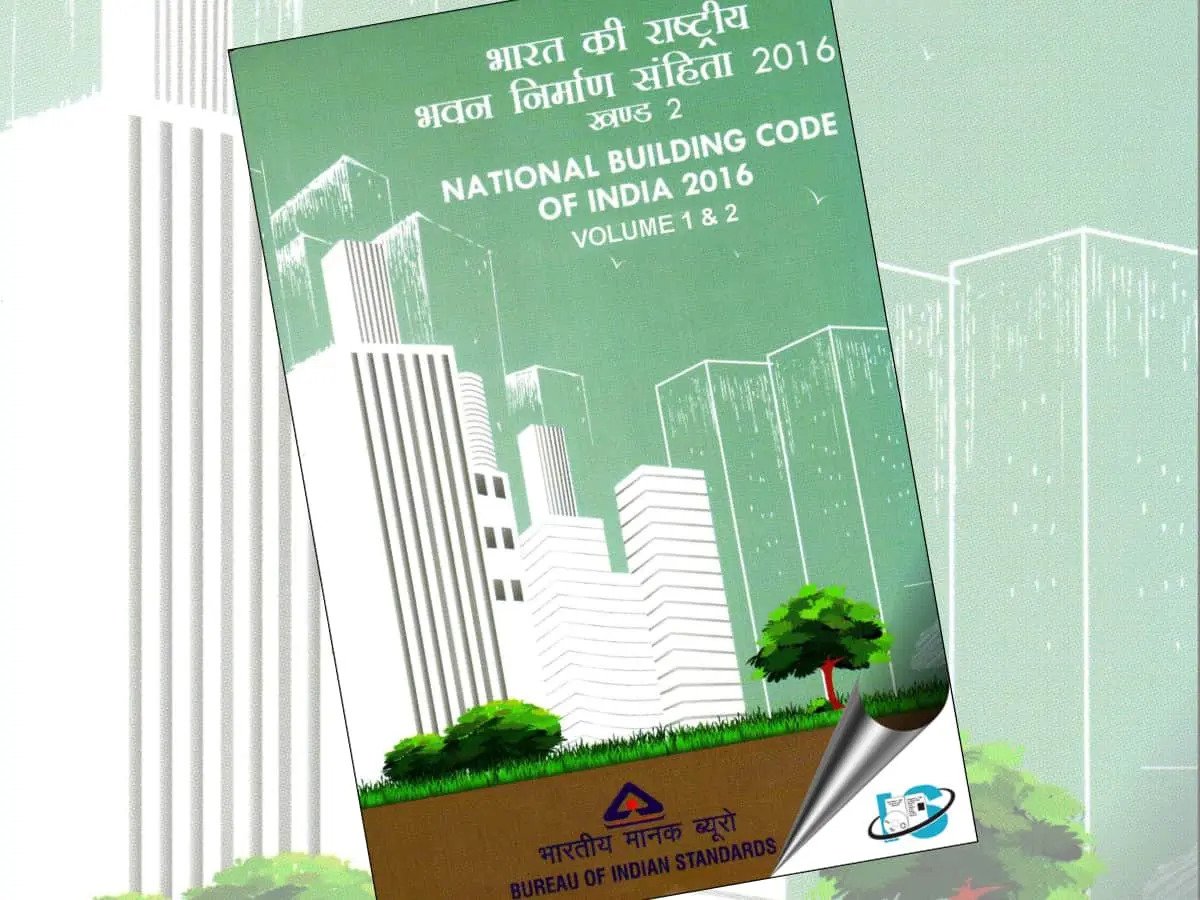
The NBC of India, published by the Bureau of Indian Standards, provides comprehensive guidelines for fire and life safety. Although initially recommendatory, the Home Ministry has urged states to incorporate these guidelines into their local building bylaws, making them mandatory.
Key Guidelines under NBC:
- Design and Materials:
- Specifications for fire-resistant materials in exterior walls, interior bearing walls, floors, roofs, fire check doors, and fire enclosure exits.
- Building Classification:
- Classification of buildings by use (e.g., residential, educational, institutional, assembly, industrial).
- Recommendations for the location of buildings to prevent hazardous structures from coexisting with residential, institutional, office, and business buildings.
- Fire Safety Technologies:
- Incorporation of automatic fire detection and alarm systems, automatic sprinklers and water sprays, fireman’s lifts, and fire barriers.
- Exemptions:
- Local fire services may grant exemptions in cases of practical difficulty, although this provision should be used sparingly and with caution.
Additional Measures
- Fire Safety Committees:
- Conduct periodic audits of fire installations, heating, ventilation, air-conditioning, and other electrical equipment in Union government hospitals.
- Third-Party Accreditation:
- The Health Ministry mandates third-party accreditation for fire safety and requires a mandatory fire response plan in every hospital.
- National Disaster Management Authority (NDMA):
- Mandatory requirements for fire safety in public buildings, including maintaining minimum open safety spaces, protected exit mechanisms, dedicated staircases, and regular evacuation drills.
- Supreme Court Directives:
- States must carry out fire safety audits of dedicated COVID-19 hospitals.
Challenges in Implementation
Evidence indicates that states often lack the manpower to ensure compliance with the NBC and other safety codes. For instance, a Comptroller and Auditor General (CAG) report (2010-2015) highlighted significant deficiencies in Maharashtra, where only 11 out of 53 government buildings inspected had fire extinguishers, and the rest lacked basic fire-fighting installations. Similarly, broader regulations in Tamil Nadu and Kerala do not consistently reference the NBC.
Way Forward
To improve fire safety in public buildings, several measures need to be adopted:
- Mandatory Fire Liability Insurance:
- Implementing compulsory fire liability insurance for all public buildings to ensure protection for occupants and visitors. This would also encourage external inspections and regular safety checks.
- Regular Audits and Inspections:
- Conducting regular, independent audits and inspections to ensure compliance with fire safety regulations.
- Public Awareness and Training:
- Organizing fire safety workshops and drills in local communities, schools, and public buildings to educate people on fire prevention and emergency response.
- Upgrading Fire Safety Infrastructure:
- Investing in modern fire-fighting technology and equipment, and ensuring they are properly maintained and operational.
By adhering to these guidelines and prioritizing fire safety, India can significantly reduce the risk of fire accidents and protect lives and properties.
For more information and resources on fire safety and emergency preparedness, visit HowToSurvive.in. Stay informed. Stay prepared.
Common unsafe practices
- Relying on equipment without a hazard assessment
- Blocking or compromising escape routes
- Delaying the alarm or emergency call
- Attempting a response beyond training or safe conditions
- Re-entering before authorised clearance
- Treating a checklist as a substitute for competent inspection