
The guide
Essential Electrical Safety Equipment for Professionals
What needs attention
- The article topic must be linked to the actual occupancy and hazard
- Prevention and early warning provide more safety margin than last-second intervention
- Equipment is effective only when correctly selected, accessible and maintained
- People need short practised actions and a clear decision to stop and escape
- Children, visitors and people needing assistance require explicit planning
- Records, drills and inspections matter only when defects are corrected
Controls that reduce risk
- Complete a task- and site-specific hazard assessment
- Verify applicable Indian, state and local requirements
- Use competent inspection for installed systems and specialist hazards
- Keep alarms, exits, signs and emergency access usable
- Train intended users and practise evacuation
- Record defects with an owner and completion date
- Review the plan after changes, incidents or near misses
Understand and apply the guidance
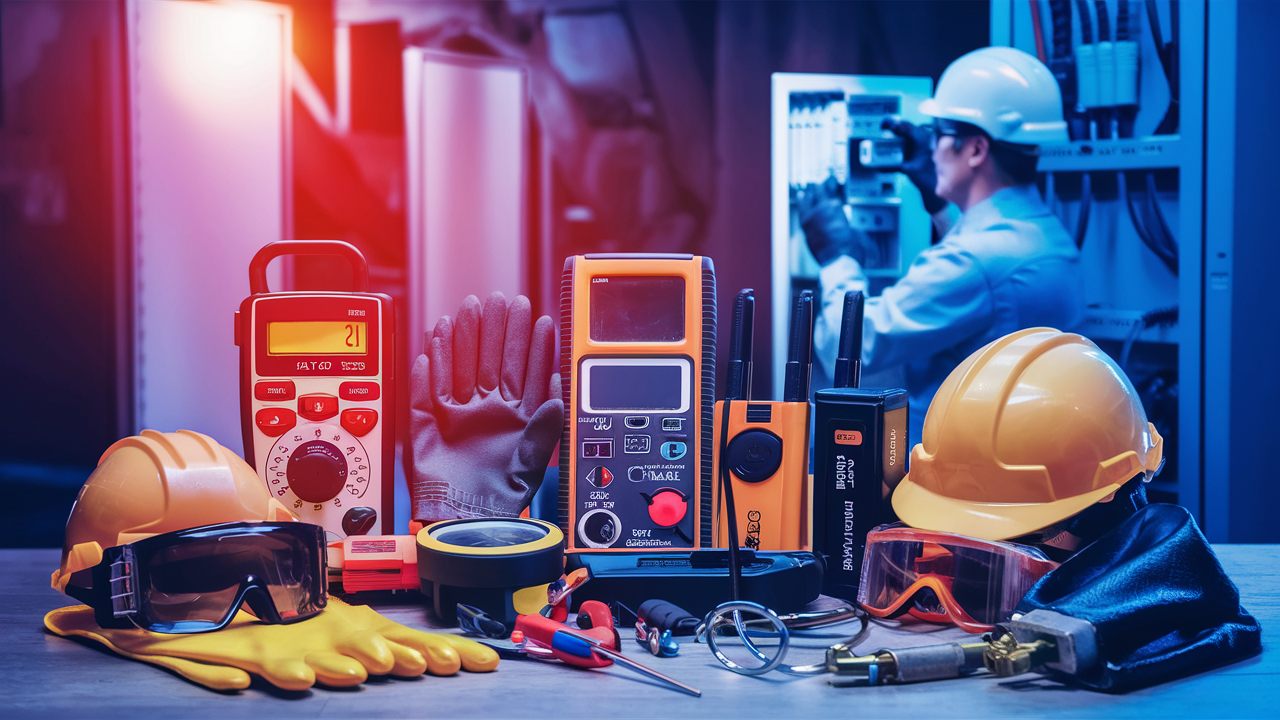
Working with electricity can be hazardous, making safety a top priority for professionals in the field. The right safety equipment is crucial for protecting against electrical shocks, burns, and other injuries. This blog highlights the essential electrical safety equipment every professional should have.
Importance of Electrical Safety Equipment
Protection
- Safeguards against electrical shocks and burns.
- Prevents accidents that can lead to severe injuries or fatalities.
Compliance
- Ensures adherence to safety regulations and standards.
- Helps maintain a safe working environment.
Essential Electrical Safety Equipment
- Insulated Gloves
- Purpose: Protect hands from electrical shocks.
- Features: Made from rubber or other non-conductive materials.
- Usage: Always inspect for cuts or damage before use.
- Insulated Tools
- Purpose: Prevent electrical current from passing through the tool to the user.
- Features: Tools with insulated handles, often rated for specific voltage levels.
- Usage: Use only tools that meet or exceed the voltage level you’re working with.
- Face Shields and Safety Glasses
- Purpose: Protect face and eyes from electrical arcs and flashes.
- Features: Made from polycarbonate or similar impact-resistant materials.
- Usage: Wear in combination with other protective gear for full-face protection.
- Arc Flash Protective Clothing
- Purpose: Protect against burns from electrical arcs.
- Features: Flame-resistant fabrics designed to withstand high temperatures.
- Usage: Ensure clothing fits properly and covers all exposed skin.
- Voltage Detectors
- Purpose: Detect the presence of electrical voltage without contact.
- Features: Handheld devices with audible and visual indicators.
- Usage: Test before use to ensure functionality.
- Insulated Mats
- Purpose: Provide an additional layer of insulation between the worker and the ground.
- Features: Made from rubber or other insulating materials.
- Usage: Place in areas where electrical work is performed regularly.
- Lockout/Tagout Devices
- Purpose: Ensure equipment is de-energized and cannot be accidentally re-energized during maintenance.
- Features: Locks, tags, and devices that secure switches and circuit breakers.
- Usage: Follow established lockout/tagout procedures.
- Safety Helmets
- Purpose: Protect the head from falling objects and electrical shocks.
- Features: Non-conductive materials with chin straps for secure fit.
- Usage: Inspect regularly for damage and replace if compromised.
- Hearing Protection
- Purpose: Protect ears from the loud noises associated with electrical discharges.
- Features: Earplugs or earmuffs designed for high noise environments.
- Usage: Wear in environments where high-decibel noises are expected.
- Emergency Equipment
- First Aid Kits: Essential for treating minor injuries immediately.
- Fire Extinguishers: Rated for electrical fires (Class C).
- Eye Wash Stations: For immediate flushing of the eyes in case of exposure to harmful substances.
Best Practices for Using Electrical Safety Equipment
- Regular Inspection
- Check all safety equipment for signs of wear and tear.
- Replace any damaged equipment immediately.
- Proper Training
- Ensure all personnel are trained in the correct use of safety equipment.
- Conduct regular safety drills and refreshers.
- Compliance with Standards
- Follow guidelines and standards set by regulatory bodies (e.g., OSHA, IEC).
- Keep up-to-date with the latest safety protocols and equipment advancements.
- Appropriate Storage
- Store safety equipment in a clean, dry, and accessible location.
- Protect equipment from extreme temperatures and direct sunlight.
Conclusion
Electrical safety is paramount for professionals working with or around electrical systems. Using the right safety equipment can prevent accidents and save lives. By ensuring proper use, regular maintenance, and adherence to safety standards, workers can significantly reduce the risks associated with electrical hazards.
For more safety tips and resources, visit HowToSurvive.in.
Common unsafe practices
- Relying on equipment without a hazard assessment
- Blocking or compromising escape routes
- Delaying the alarm or emergency call
- Attempting a response beyond training or safe conditions
- Re-entering before authorised clearance
- Treating a checklist as a substitute for competent inspection