
Essential Fire Safety Signs for Every Premise
What needs attention
- The article topic must be linked to the actual occupancy and hazard
- Prevention and early warning provide more safety margin than last-second intervention
- Equipment is effective only when correctly selected, accessible and maintained
- People need short practised actions and a clear decision to stop and escape
- Children, visitors and people needing assistance require explicit planning
- Records, drills and inspections matter only when defects are corrected
Controls that reduce risk
- Complete a task- and site-specific hazard assessment
- Verify applicable Indian, state and local requirements
- Use competent inspection for installed systems and specialist hazards
- Keep alarms, exits, signs and emergency access usable
- Train intended users and practise evacuation
- Record defects with an owner and completion date
- Review the plan after changes, incidents or near misses
Understand and apply the guidance
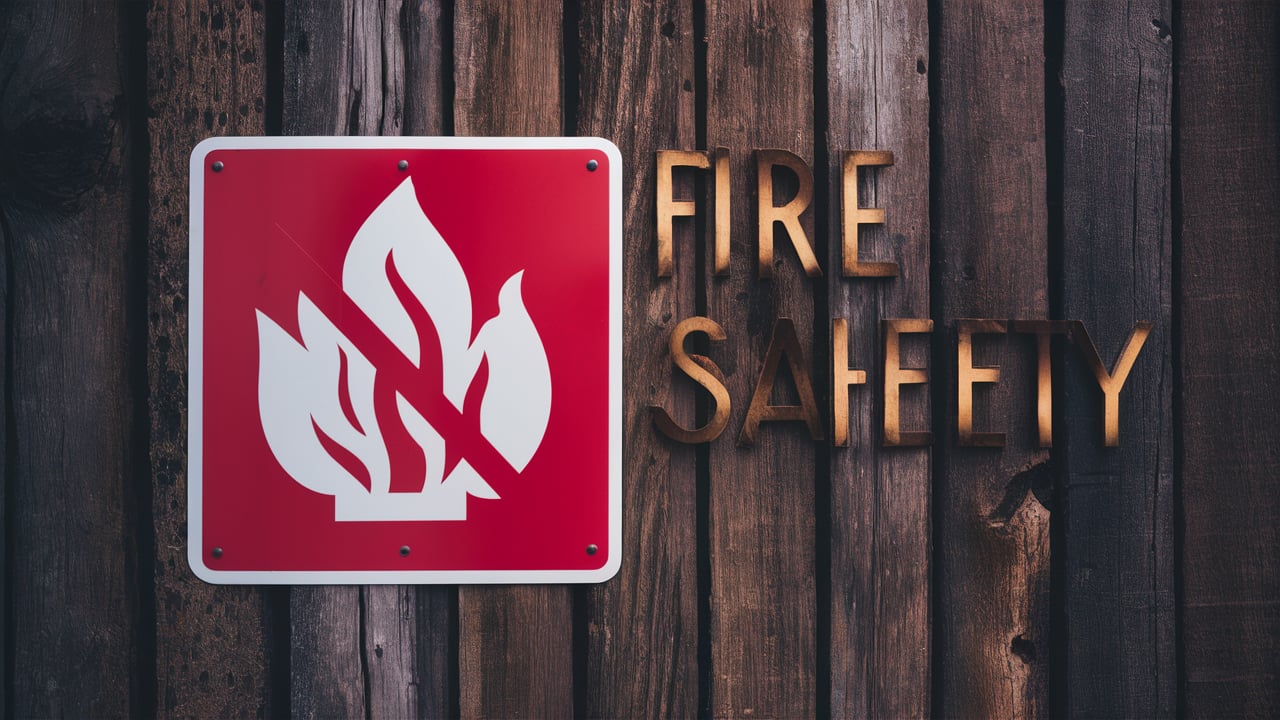
Being trapped in a burning building is a nightmare scenario. Knowing how to protect yourself and recognizing fire safety signs can be lifesaving, enabling you to find the nearest fire exit or fire extinguisher quickly. Fire safety precautions vary depending on the building’s risk level, but this guide will introduce you to major fire safety signs and symbols and their applications.
Why Are Fire Safety Signs Important?
Employers are required by health and safety laws to ensure the well-being of their employees. The Regulatory Reform (Fire Safety) Order of 2005 mandates that every building and company must display proper fire safety signs and symbols to indicate the locations of fire safety equipment and evacuation routes during an emergency.
Significance of the Colors Associated with Fire Safety Signs
Fire safety signs use specific colors, each with distinct meanings to convey critical information swiftly and clearly during emergencies.
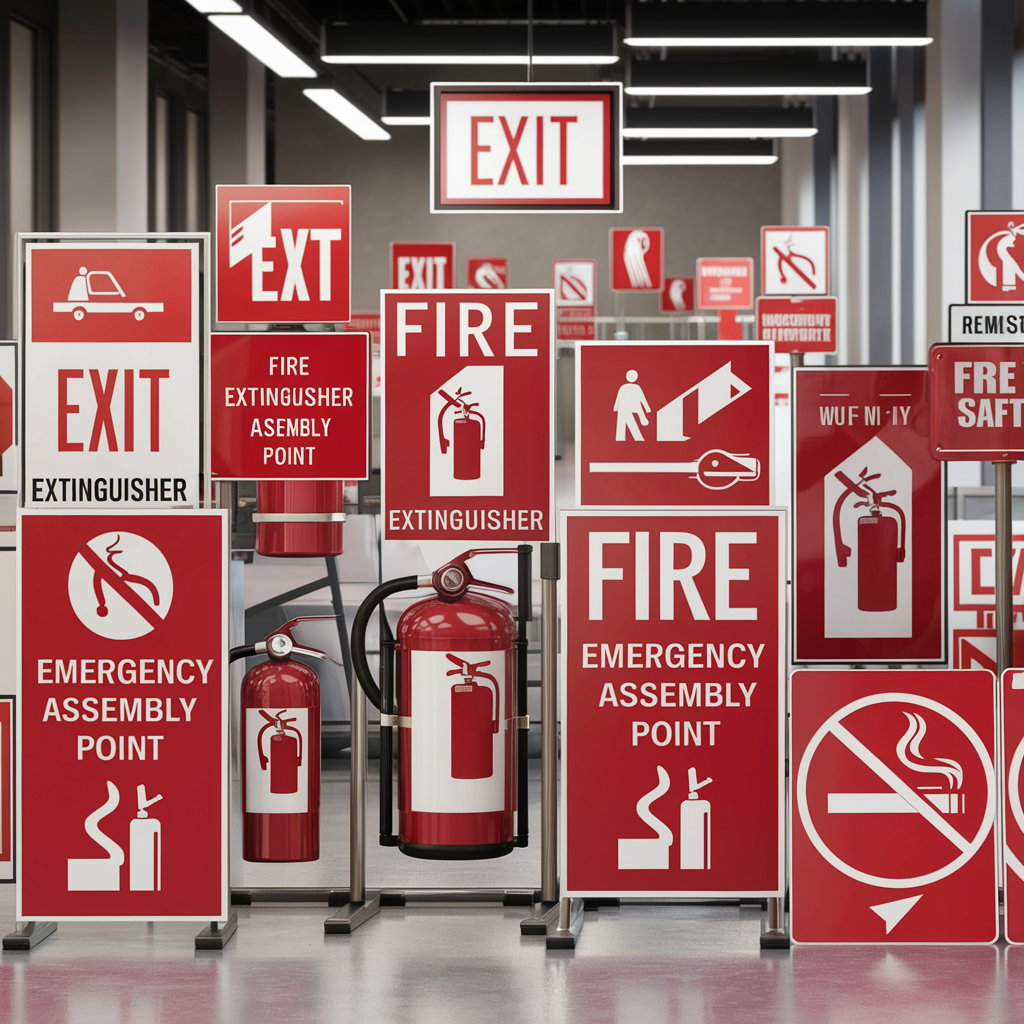
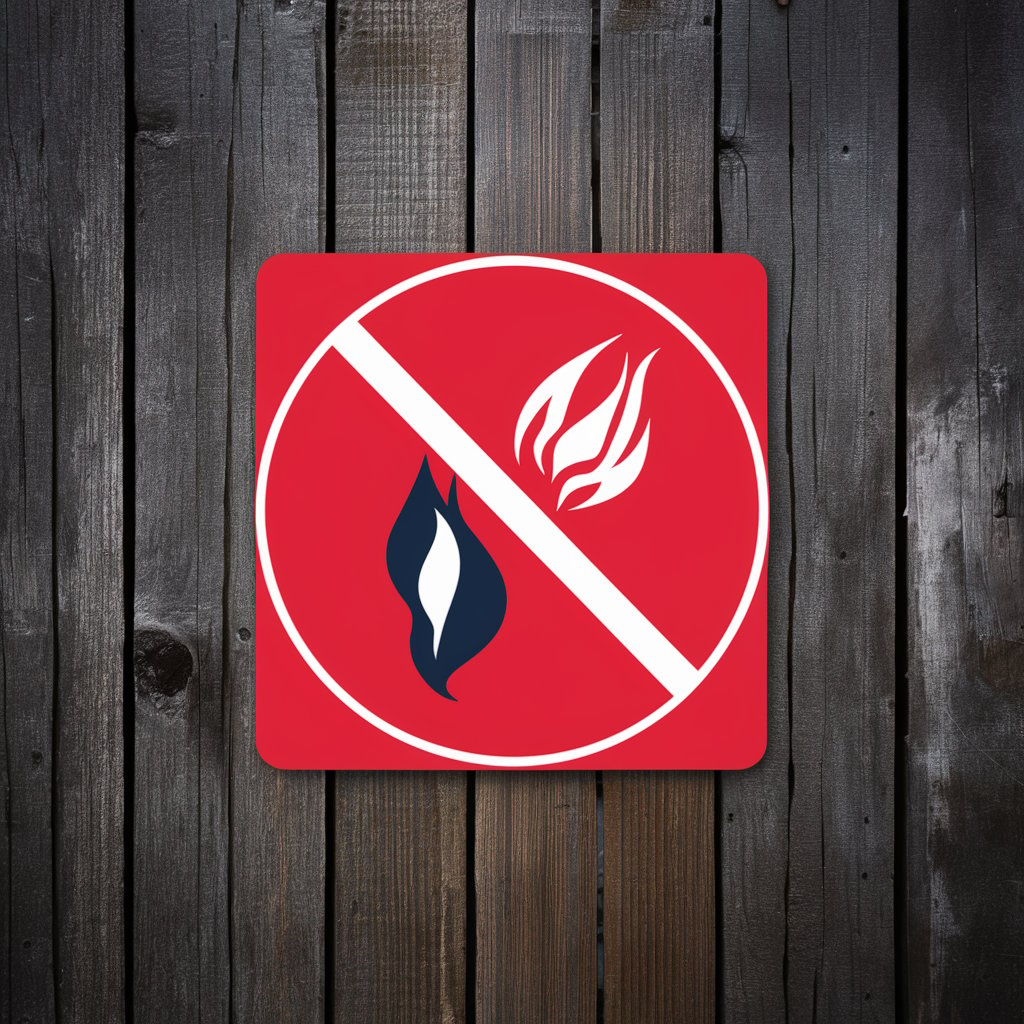
- Red: Indicates prohibition actions, locations of fire equipment, and additional instructions. Prohibition symbols are round with a red border, white background, and black images. Fire equipment symbols are square with a red background and white images.
- Blue: Indicates mandatory actions to ensure safety. These symbols are round and blue with white images or text.
- Green: Indicates emergency exits. These signs display a person walking quickly with an arrow pointing toward the escape route and may also include ‘fire exit’ written in lowercase letters.
Types of Fire Safety Signs
- Prohibition Signs:
- Purpose: To ban actions that could cause significant harm.
- Appearance: Red and round with a white background and crossbar.
- Example: “No Smoking” signs.
- Warning Signs:
- Purpose: To warn of potential risks.
- Appearance: Yellow and triangular with black symbols or text.
- Example: “Warning Fire Risk” signs.
- Mandatory Signs:
- Purpose: To mandate specific actions for safety.
- Appearance: Blue and round with white text or symbols.
- Example: “Keep Door Shut to Keep Out Fire.”
- Fire Exit Signs:
- Purpose: To indicate the direction of the nearest fire exit routes.
- Appearance: Green and square with white text or symbols.
- Example: Signs showing a running man with an arrow.
- Fire Equipment Signs:
- Purpose: To indicate the location of fire-fighting equipment.
- Appearance: Red and rectangular or round with white text or symbols.
- Example: Fire hose symbols.
- Additional Signs:
- Purpose: To provide supplementary information.
- Appearance: Various colors (red, green, yellow) with black or white text.
- Example: Directional arrows.
Conclusion
Life and safety go hand in hand. It’s better to be safe than sorry, and understanding fire safety signs is essential for everyone’s protection. Familiarize yourself with these signs to enhance your preparedness and resilience in the face of emergencies.
Common unsafe practices
- Relying on equipment without a hazard assessment
- Blocking or compromising escape routes
- Delaying the alarm or emergency call
- Attempting a response beyond training or safe conditions
- Re-entering before authorised clearance
- Treating a checklist as a substitute for competent inspection