
Essential Survival Skills for Outdoor Adventures
What needs attention
- The article topic must be linked to the actual occupancy and hazard
- Prevention and early warning provide more safety margin than last-second intervention
- Equipment is effective only when correctly selected, accessible and maintained
- People need short practised actions and a clear decision to stop and escape
- Children, visitors and people needing assistance require explicit planning
- Records, drills and inspections matter only when defects are corrected
Controls that reduce risk
- Complete a task- and site-specific hazard assessment
- Verify applicable Indian, state and local requirements
- Use competent inspection for installed systems and specialist hazards
- Keep alarms, exits, signs and emergency access usable
- Train intended users and practise evacuation
- Record defects with an owner and completion date
- Review the plan after changes, incidents or near misses
Understand and apply the guidance
Exploring the great outdoors can be an exhilarating experience, but it also comes with its own set of challenges and risks. Whether you’re hiking, camping, or embarking on a wilderness expedition, having the right survival skills can make all the difference in ensuring your safety. At HowToSurvive.in, we are committed to providing you with the knowledge you need to stay safe and prepared. Here are some essential survival skills for your next outdoor adventure.
1. Navigation
Getting lost in the wilderness can be dangerous. Knowing how to navigate using both traditional and modern methods is crucial:
- Map and Compass: Learn how to read a topographic map and use a compass. Practice orienting the map to the terrain and plotting a course.
- GPS Devices: Familiarize yourself with using a GPS device and always carry spare batteries.
- Natural Navigation: Use natural landmarks, the position of the sun, and stars to find your way.
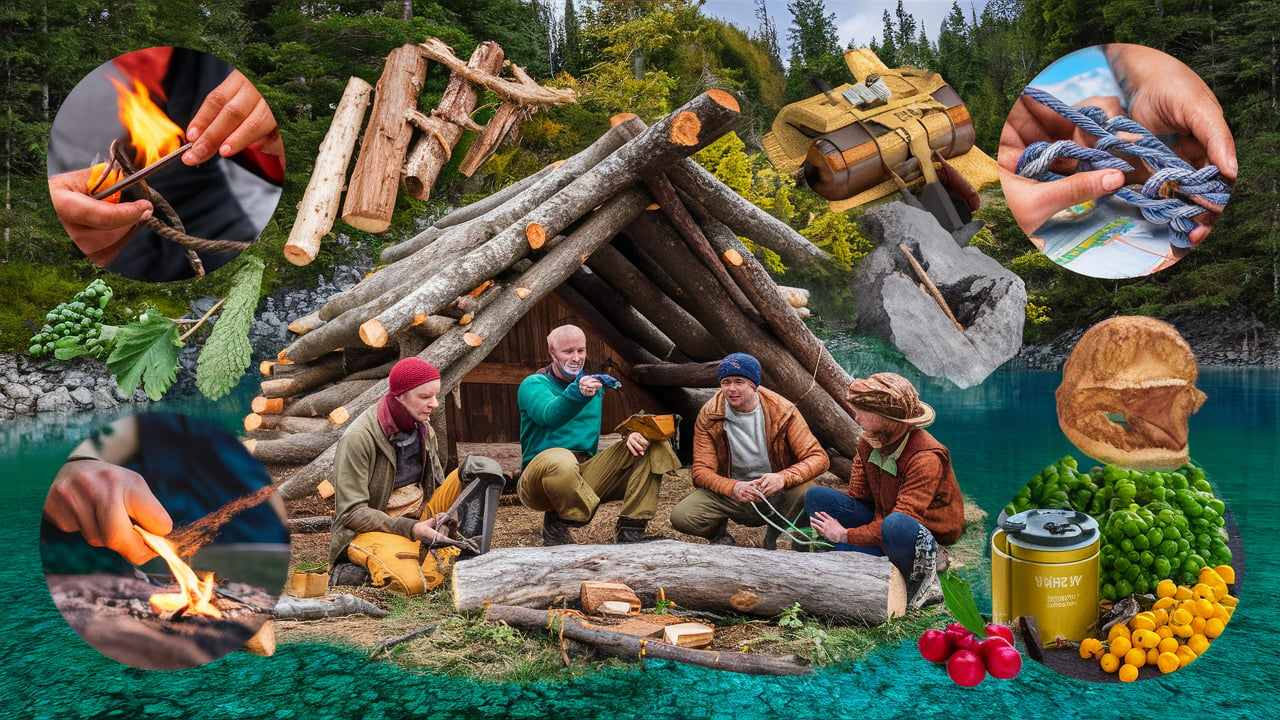
2. Building Shelter
A good shelter can protect you from the elements and provide a safe place to rest:
- Basic Shelter Types: Learn how to construct different types of shelters, such as a lean-to, debris hut, or tarp shelter.
- Location: Choose a safe location away from hazards like falling branches, flooding, and animal paths.
- Insulation: Use natural materials like leaves and branches to insulate your shelter and keep warm.
3. Finding and Purifying Water
Water is essential for survival, and knowing how to find and purify it is crucial:
- Finding Water: Look for natural sources like rivers, streams, and lakes. Be aware of the local wildlife patterns which often lead to water sources.
- Purification Methods: Boil water for at least one minute, use water purification tablets, or filter water through a portable water filter.
4. Starting a Fire
A fire can provide warmth, cook food, and signal for help:
- Fire-Starting Techniques: Learn different methods such as using a lighter, matches, Firestarter sticks, or even friction-based methods like the bow drill.
- Gathering Materials: Collect tinder (dry leaves, bark), kindling (small sticks), and larger fuel wood.
- Fire Safety: Build your fire in a safe location, away from flammable materials, and always extinguish it completely before leaving.
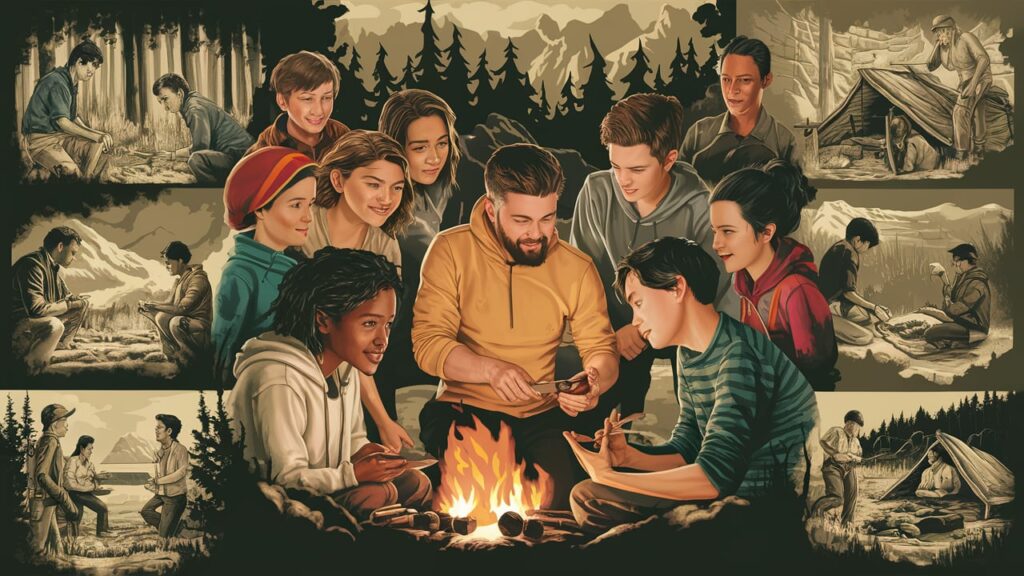
5. Basic First Aid
Knowing how to treat injuries and illnesses in the wild is essential:
- First Aid Kit: Always carry a well-stocked first aid kit tailored to your needs and the length of your trip.
- Wound Care: Clean and dress wounds to prevent infection.
- Common Injuries: Learn how to treat sprains, fractures, burns, and insect bites.
6. Signaling for Help
If you get into trouble, knowing how to signal for help can be life-saving:
- Signal Fires: Build three fires in a triangle or a straight line, which is an internationally recognized distress signal.
- Whistles: Use a whistle to make noise and attract attention. Three short blasts signal distress.
- Mirror and Flashlight: Use a mirror or flashlight to send signals by reflecting sunlight or flashing in the direction of potential rescuers.
7. Food Foraging and Hunting
In a survival situation, finding food is essential for maintaining energy:
- Edible Plants: Learn to identify edible plants, berries, and nuts in your area. Always avoid plants that you are not 100% sure are safe.
- Fishing and Trapping: Basic knowledge of fishing and setting traps can help you catch small animals and fish.
- Preparation: Know how to properly clean and cook your catches to avoid foodborne illnesses.
Conclusion
Being prepared with these essential survival skills can make your outdoor adventures safer and more enjoyable. At HowToSurvive.in, we provide the resources and information you need to be ready for any situation. Visit our Blogs and Case study for more tips and tutorials on survival skills and emergency preparedness.

Stay informed. Stay prepared. Together, let’s learn how to survive.
Common unsafe practices
- Relying on equipment without a hazard assessment
- Blocking or compromising escape routes
- Delaying the alarm or emergency call
- Attempting a response beyond training or safe conditions
- Re-entering before authorised clearance
- Treating a checklist as a substitute for competent inspection