
The guide
Fire Extinguisher Inspection Checklist: Ensuring Safety and Compliance
What needs attention
- The article topic must be linked to the actual occupancy and hazard
- Prevention and early warning provide more safety margin than last-second intervention
- Equipment is effective only when correctly selected, accessible and maintained
- People need short practised actions and a clear decision to stop and escape
- Children, visitors and people needing assistance require explicit planning
- Records, drills and inspections matter only when defects are corrected
Controls that reduce risk
- Complete a task- and site-specific hazard assessment
- Verify applicable Indian, state and local requirements
- Use competent inspection for installed systems and specialist hazards
- Keep alarms, exits, signs and emergency access usable
- Train intended users and practise evacuation
- Record defects with an owner and completion date
- Review the plan after changes, incidents or near misses
Understand and apply the guidance
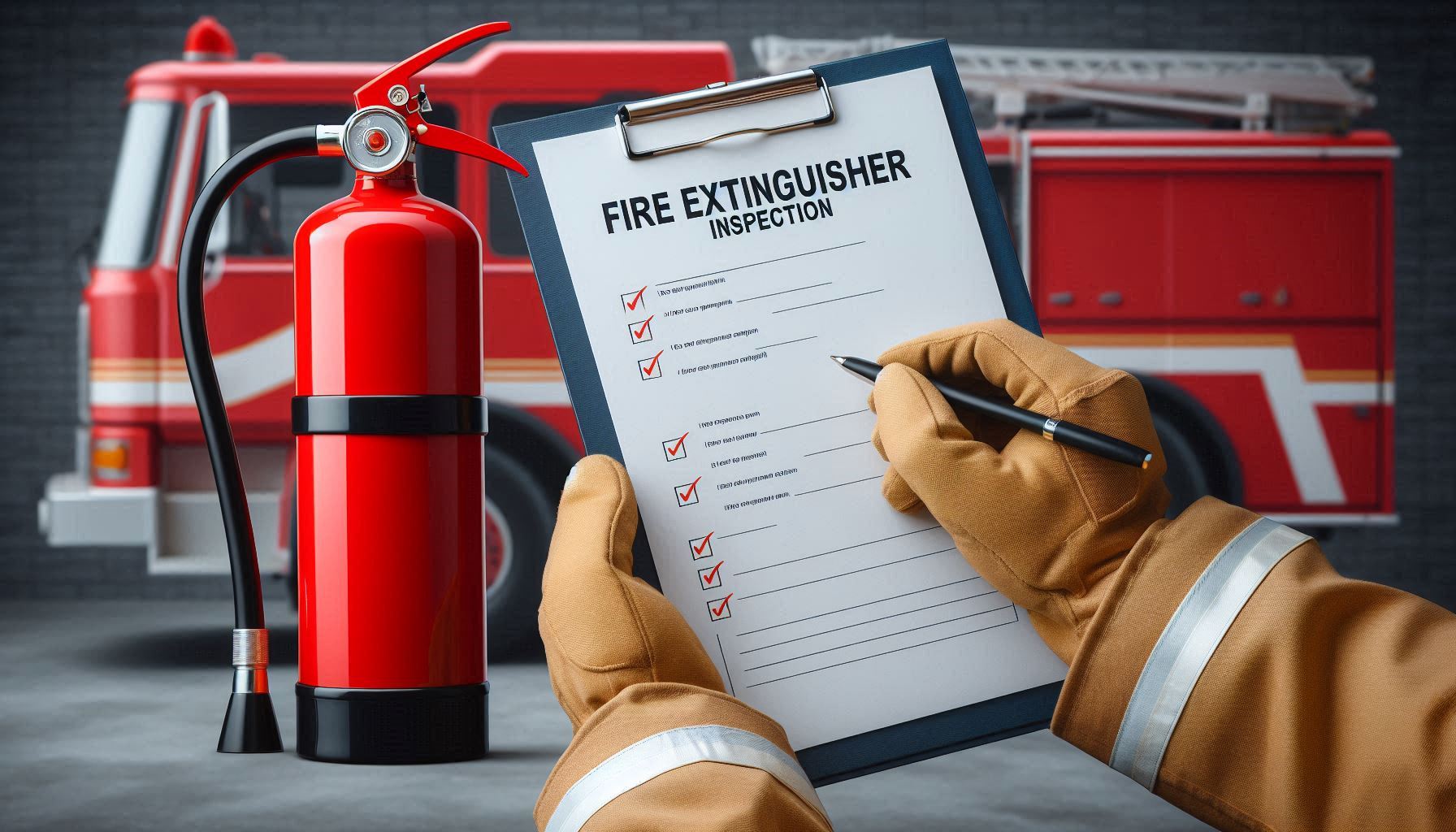
Regular inspection of fire extinguishers is crucial to ensure they function correctly during an emergency. This checklist provides a comprehensive guide to inspecting fire extinguishers, ensuring they are in good working condition and compliant with safety regulations.
Monthly Inspection Checklist
- Accessibility
- Ensure the fire extinguisher is located in a designated, easily accessible area.
- Check that the extinguisher is not obstructed by furniture, equipment, or other objects.
- Physical Condition
- Inspect the extinguisher for any visible damage such as dents, cracks, or corrosion.
- Ensure the hose and nozzle are free from blockages and in good condition.
- Check the handle and lever for proper operation and no signs of damage.
- Pressure Gauge
- Verify that the pressure gauge needle is in the operable range (typically indicated in the green zone).
- If the needle is in the red zone, the extinguisher needs to be recharged or replaced.
- Seal and Pin
- Ensure the tamper seal is intact and has not been broken.
- Check that the pull pin is securely in place and not missing or damaged.
- Label and Instructions
- Verify that the label is legible and displays clear instructions for use.
- Check that the label includes the extinguisher type, operating instructions, and the class of fire it is suitable for (A, B, C, D, or K).
- Maintenance Tag
- Ensure the maintenance tag is attached and up-to-date with the latest inspection and servicing records.
- Record the date of the inspection and the initials of the person performing the check.
Annual Inspection Checklist
- Professional Servicing
- Schedule a professional servicing of all fire extinguishers annually, as required by safety regulations.
- Ensure the servicing is performed by a certified technician.
- Internal Examination
- During the annual service, the technician should conduct an internal examination to check for any issues not visible during a monthly inspection.
- Hydrostatic Testing
- Verify that hydrostatic testing is performed at the intervals specified by the manufacturer and local fire codes (usually every 5 to 12 years, depending on the type of extinguisher).
- Refilling and Recharging
- Ensure that extinguishers that have been used or have lost pressure are refilled and recharged by a certified professional.
Additional Considerations
- Training and Awareness
- Ensure all building occupants are trained on the location and proper use of fire extinguishers.
- Conduct regular fire safety drills to reinforce proper emergency procedures.
- Compliance with Regulations
- Stay informed about local fire safety regulations and ensure all fire extinguishers comply with these standards.
- Regularly review and update fire safety protocols to ensure ongoing compliance.
Conclusion
Regular inspection and maintenance of fire extinguishers are vital for ensuring they are ready for use in an emergency. By following this checklist, you can help guarantee the safety of building occupants and protect property from fire damage. Regular training and awareness programs further enhance fire safety preparedness, ensuring everyone knows how to respond effectively in case of a fire.
Common unsafe practices
- Relying on equipment without a hazard assessment
- Blocking or compromising escape routes
- Delaying the alarm or emergency call
- Attempting a response beyond training or safe conditions
- Re-entering before authorised clearance
- Treating a checklist as a substitute for competent inspection