
How To SurviveLife-Safety Intelligence for IndiaEmergency Guide
Home / Safety Blogs / Fire Protection for Lithium-ion Battery Storage and Manufacturing
Safety Blog · Ready For Review

Fire Protection for Lithium-ion Battery Storage and Manufacturing
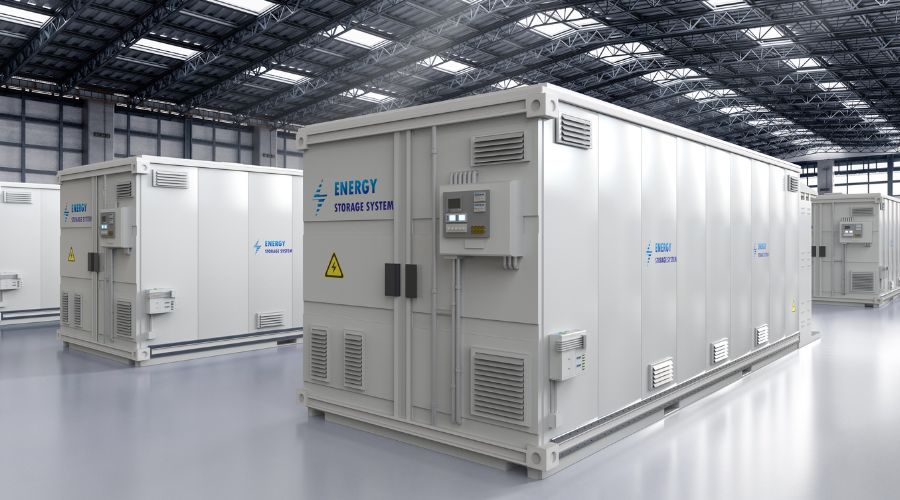
Thermal runaway is a self-accelerating failure in which a lithium-ion cell generates heat faster than it can dissipate it. Internal defects, electrical abuse, external heating, mechanical damage or manufacturing contamination can initiate decomposition, venting of flammable and toxic gases, fire and possible explosion. Heat can then propagate to adjacent cells. Effective protection uses multiple layers: quality and process control; battery-management and electrical protection; early anomaly, gas, smoke, heat and flame detection; ventilation or deflagration controls where required; separation and tested packaging; automatic suppression or cooling appropriate to the configuration; emergency isolation; drainage and contaminated-water planning; and trained defensive response.

TopicFire Safety · WorkplaceUpdated2026-08-31
01
The guide

Fire Protection for Lithium-ion Battery Storage and Manufacturing

Fire Protection for Lithium-ion Battery Storage and Manufacturing

What needs attention

  • Extinguishing visible flames does not prove that heat generation inside a cell has stopped
  • Gaseous agents may control surrounding flames but generally provide limited cooling of cells in continuing thermal runaway
  • Water-based protection can provide important cooling and exposure control when designed and applied for the tested system
  • Vent gases can be toxic and flammable before visible smoke or flame appears
  • Early off-gas detection may add warning time but must be validated for cell chemistry, airflow and alarm thresholds
  • State of charge, cell format and spacing materially change heat release and propagation behaviour
  • Damaged, swollen, recalled, returned or suspect batteries need controlled quarantine—not normal stock storage

Controls that reduce risk

  1. Create separate inventories for cells, modules, finished packs, damaged returns and waste
  2. Record chemistry, model, state of charge, quantity and storage location in the emergency information pack
  3. Quarantine swollen, hot, leaking, damaged, recalled or water-exposed batteries in an engineered location
  4. Verify charger, BMS, fusing, contactors and temperature-monitoring compatibility
  5. Use representative propagation and fire-test evidence to approve rack spacing, barriers, ventilation and suppression
  6. Provide remote shutdown, clear signage, access and responder connection points
  7. Coordinate automatic detection, ventilation, suppression, alarms and shutdowns in one tested cause-and-effect matrix
  8. Plan extended thermal monitoring, safe dismantling, transport, disposal and contaminated runoff after an event

Understand and apply the guidance

To protect against the dangerous possibility of thermal runaway, places where lithium-ion batteries are stored or made need special fire suppression systems.

What is Thermal Runway?

Lithium-ion batteries are charged and drained to meet the grid’s energy needs. This flow of energy into and out of the batteries heats them up. When a battery is made wrong, a short can happen, which can cause thermal runaway.
Thermal runway happens when the temperature of one battery cell causes the temperature of the cells around it to rise as well. Fires in these batteries can get very dangerous, and they can start up again hours or days later because of thermal runaway.

Fire Suppression Systems

Because thermal runaway is so dangerous, it is especially important that lithium-ion batteries have specialized fire suppression systems that put out fires quickly and effectively. Some types of fire suppression systems used in these areas are:

  • inert gas systems,
  • novec fire suppression,
  • water mist systems,
  • clean agent fire suppression,

Detection Systems

In places where lithium-ion batteries are stored or made, it is important to find a fire quickly. Some effective detection systems in these areas include:

  • Li-Ion Tamer early warning off gas detection systems
  • VESDA smoke detection

Common unsafe practices

  • Calling the event 'thermal runway' instead of thermal runaway
  • Listing inert gas, Novec, clean agent and water mist as equally effective universal solutions
  • Assuming an ABC extinguisher can stop internal thermal runaway in a large battery system
  • Designing from cell-level data when the installed rack or container has not been representatively tested
  • Ignoring flammable off-gas accumulation and explosion pressure
  • Mixing damaged returns with saleable stock or charging batteries in egress routes
  • Placing emergency disconnects where responders must approach the hazard to use them
  • Declaring the incident over immediately after flame knockdown without thermal monitoring and re-ignition planning
02
Watch & learn

Related Videos

Captions
Immediate safety context

Fire Safety and Extinguisher Basics

BBC News Hindi · Hindi · Verified

Hindi-first public guidance; it does not qualify viewers to fight a large battery fire

03
Facts & action

Evidence, Cases & Next Steps

4Protection layersPrevention, detection, control and response
5Detection/control signal familiesBMS anomaly, gas, smoke, heat and flame
3Scale levels that may need evidenceCell, module and rack/container
Quality, electrical, thermal and mechanical controlsPrevent cell failure
BMS, gas, smoke, heat and flame signalsDetect abnormal conditions
Separation, barriers, cooling and tested configurationLimit propagation
Egress, remote isolation, information and defensive tacticsProtect people/responders

What the evidence supports

  • Thermal-runaway triggers | Internal defect, overcharge, external heat, mechanical damage or short circuit
  • Major escalation paths | Cell-to-cell propagation, flammable-gas accumulation, secondary combustibles and re-ignition
  • Protection layers | Prevention, detection, control/suppression and emergency response
  • Final Indian EV-cell reference | IS 16893 (Part 3):2018
  • Portable lithium-system reference | IS 16046 (Part 2):2018
  • Industrial secondary-cell reference | IS/IEC 62619:2017/2018-era Indian adoption; verify current revision before design

Immediate prevention actions

  1. Separate damaged and returned batteries from normal inventory
  2. Check for heat, swelling, odour, leakage, hissing, popping or unexplained BMS alarms
  3. Confirm charging areas are not in exits and use approved compatible equipment
  4. Verify the emergency team can remotely identify and isolate the affected zone
  5. Review the latest representative fire-test report for the actual installed configuration
  6. Walk responder access, water supply, drainage and standoff locations with the fire service
  7. Test alarm escalation and ensure staff know not to carry a failing battery through the building

Emergency survival steps

  1. If a battery becomes hot, swells, vents, hisses, pops, smells unusual or produces smoke, warn others and evacuate immediately
  2. Do not touch, carry or dismantle a suspect battery and do not inhale the vapour
  3. Activate the alarm and call 112 from a safe upwind location
  4. Tell responders that lithium-ion batteries are involved, with their location, quantity, chemistry and state of charge if known
  5. Do not enter a battery room or container after a gas or fire alarm; an explosion hazard may exist before flames are visible
  6. Use an extinguisher only for a small surrounding incipient fire if trained, the approved plan permits it and escape remains behind you
  7. Stay clear after flame knockdown because cells can continue heating and re-ignite
  8. Re-entry, handling and disposal require authorised specialists and confirmed thermal stability

Limitations

  • No single public Indian dataset was identified for fire frequency across battery factories, warehouses and BESS facilities
  • The 200 kWh suppression threshold appears in a draft CEA amendment and may change before finalisation
  • The cited 2025 BIS and NBC documents are drafts for comments, not final standards
  • Results for one cell chemistry, state of charge or rack arrangement cannot be transferred automatically to another
  • Agent performance may differ between flame suppression, cooling, propagation control and explosion mitigation
  • The Hindi video supplies general immediate fire-safety context because a suitable Hindi technical BESS video was not identified
Sources and further readingBIS ETD 11 standards list: IS 16893 (Part 3):2018 safety requirements for propulsion lithium-ion cells ↗BIS laboratory scope: IS 16046 (Part 2):2018 portable lithium-system safety requirements ↗BIS June 2025 draft revision aligned with IEC 62619:2022—draft only ↗CEA 2025 draft safety amendment for BESS—draft only ↗UL Solutions: Understanding UL 9540A, NFPA 855 and Large-Scale Fire Testing for BESS ↗UL FSRI battery fire-safety resources ↗NASA: Detection and Prevention of Thermal Runaway ↗Electrical Safety First: Thermal Runaway Explained ↗Last reviewed 2026-08-31