
Fire Risk Management in Indian Warehouses: A Complete Guide
What needs attention
- The article topic must be linked to the actual occupancy and hazard
- Prevention and early warning provide more safety margin than last-second intervention
- Equipment is effective only when correctly selected, accessible and maintained
- People need short practised actions and a clear decision to stop and escape
- Children, visitors and people needing assistance require explicit planning
- Records, drills and inspections matter only when defects are corrected
Controls that reduce risk
- Complete a task- and site-specific hazard assessment
- Verify applicable Indian, state and local requirements
- Use competent inspection for installed systems and specialist hazards
- Keep alarms, exits, signs and emergency access usable
- Train intended users and practise evacuation
- Record defects with an owner and completion date
- Review the plan after changes, incidents or near misses
Understand and apply the guidance
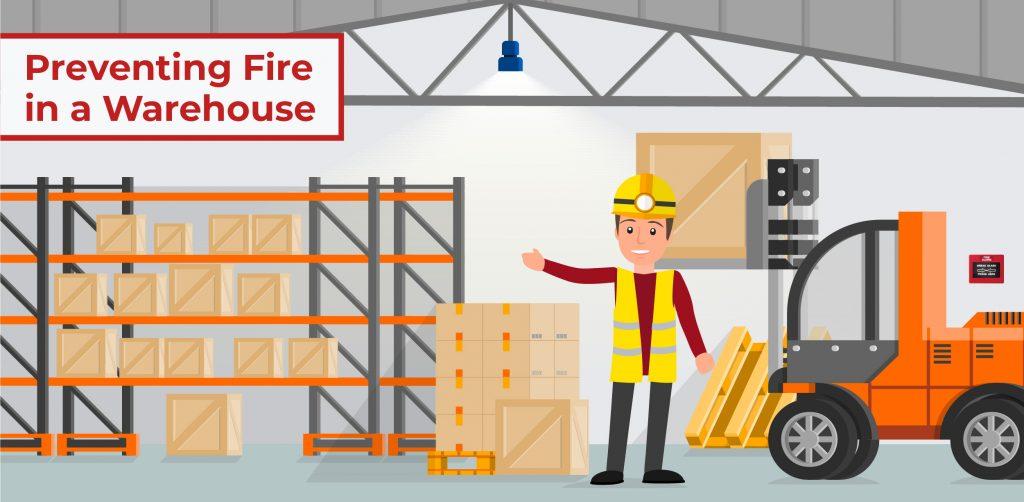
Warehouses play a crucial role in the supply chain, storing valuable goods and materials. However, they also pose unique fire safety challenges due to the nature of the stored inventory. In India, adhering to strict fire safety standards is not only a legal requirement but also essential for protecting lives and assets. This blog delves into the best practices and compliance measures specifically tailored for fire safety in warehouses in India.
Understanding Warehouse Fire Risks
Warehouses are susceptible to various fire hazards, including:
- Flammable Materials: Stockpiles of combustible goods such as textiles, paper, and chemicals increase fire risks.
- Electrical Faults: Faulty wiring, overloaded circuits, and malfunctioning equipment can ignite fires.
- Improper Storage: Inadequate storage practices like overcrowding aisles and stacking materials haphazardly can escalate fire hazards.
- Human Error: Negligence, lack of training, or mishandling of equipment can lead to accidental fires.
Essential Fire Prevention Tips for Warehouses in India
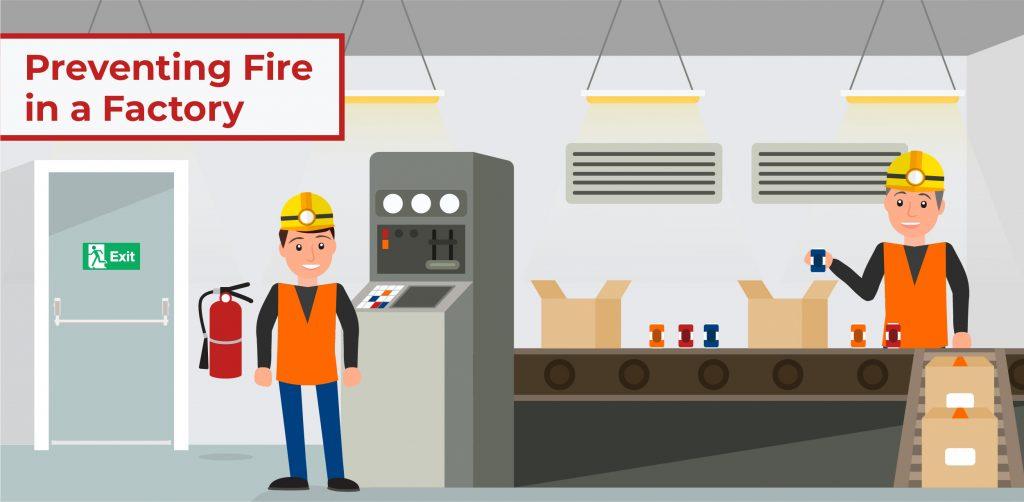
- Comprehensive Fire Risk Assessment: Conduct regular fire risk assessments as per Indian regulations to identify hazards, assess risks, and develop mitigation strategies.
- Proper Storage Practices: Store flammable materials in designated areas with adequate ventilation and fire-resistant containers. Avoid overstocking and maintain clear aisles for emergency access.
- Electrical Safety: Ensure all electrical installations comply with Indian standards. Regularly inspect and maintain electrical systems to prevent faults and short circuits.
- Fire Suppression Systems: Install appropriate fire suppression systems like sprinklers and extinguishers as per Indian norms. Ensure they are regularly tested and maintained.
- Fire Detection and Alarm Systems: Install fire detection and alarm systems that comply with Indian standards. Conduct regular testing and drills to ensure they function effectively.
- Emergency Lighting: Install emergency lighting systems as per Indian regulations to illuminate exit routes during power failures or emergencies.
- Employee Training: Conduct fire safety training for warehouse staff, focusing on fire prevention, emergency procedures, and proper use of firefighting equipment.
- Fire Doors and Exits: Install fire-resistant doors and ensure clear, unobstructed exits for quick evacuation in case of fire.
- Hot Work Safety: Implement strict protocols for hot work activities like welding and cutting. Ensure proper ventilation and fire watch procedures are in place.
- Regular Inspections and Maintenance: Schedule regular inspections and maintenance of fire safety equipment, electrical systems, and storage practices to ensure compliance and readiness.
Compliance with Indian Fire Safety Norms
In India, warehouses must adhere to the provisions of the National Building Code (NBC) and local fire safety regulations. Compliance includes obtaining necessary permits, certifications, and conducting regular inspections to ensure adherence to standards.
Conclusion
Fire safety in warehouses is a critical aspect of operations, requiring proactive measures, training, and compliance with Indian fire safety norms. By implementing the recommended practices and staying updated with regulations, warehouse owners and managers can mitigate fire risks and ensure the safety of personnel and assets.
For more information on fire safety and compliance with Indian norms, visit HowToSurvive.in. Stay informed. Stay prepared. Together, let’s learn how to survive.
Common unsafe practices
- Relying on equipment without a hazard assessment
- Blocking or compromising escape routes
- Delaying the alarm or emergency call
- Attempting a response beyond training or safe conditions
- Re-entering before authorised clearance
- Treating a checklist as a substitute for competent inspection