
How To SurviveLife-Safety Intelligence for IndiaEmergency Guide
Home / Safety Blogs / Fire Safety Best Practices for the Holidays
Safety Blog · Ready For Review

Fire Safety Best Practices for the Holidays
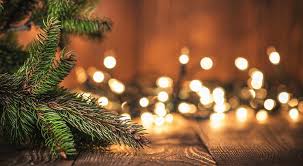
Celebration risk increases when temporary electrical decorations, open flames, intensive cooking, combustible décor, crowded rooms and fireworks are used together. Keep stairs and doors clear; inspect light strings and avoid overloading sockets; place diyas, candles and agarbatti on stable non-combustible surfaces away from cloth, paper and children; stay with cooking; test smoke alarms; and show guests the exits. Do not use fireworks indoors, in narrow lanes, near buildings or in high wind, and never relight a failed device. If clothing catches fire, stop, drop and roll. Cool a thermal burn under cool running water for 20 minutes, do not apply ice, oil or cream, and obtain medical care as appropriate.

TopicDisaster Preparedness · Fire SafetyUpdated2026-08-31
01
The guide

Fire Safety Best Practices for the Holidays

Fire Safety Best Practices for the Holidays

What needs attention

  • Temporary festival lighting can overload poor connections and hide damaged conductors among decorations
  • A diya or candle needs separation from curtains, garlands, paper, clothing and paths where it can be knocked over
  • Unattended cooking remains a more common home ignition problem than dramatic fireworks footage suggests
  • Crowds and stored gifts or packaging can obstruct an exit that was normally clear
  • Sparklers and spent fireworks remain hot enough to cause burns or ignite waste
  • Failed fireworks can discharge late and must not be approached or relit immediately
  • Two Hindi news videos document real 2025 Diwali fires but do not establish nationwide incident totals

Controls that reduce risk

  1. Walk every escape route and remove cartons, footwear, decorations and furniture
  2. Test smoke alarms and place 112 and the complete address where guests can see them
  3. Discard damaged light strings and follow manufacturer connection limits
  4. Use stable non-combustible diya and candle holders away from fabric and drafts
  5. Keep a lid beside cooking pans and never leave hot oil unattended
  6. Assign one sober adult to supervise children and any permitted fireworks
  7. Keep water available outdoors and isolate unused fireworks from ignition
  8. Plan care and an exit for older people, children, disabled guests and pets

Understand and apply the guidance

Celebrate Safely this Holiday Season
With the holidays coming up soon, it’s important to be aware of fire safety so that you and your family can enjoy the season in a safe way. During the holiday season, it’s important to be careful with decorations, cooking, and other things that could start fires.

Decorating with Fire Safety in Mind
Christmas trees and other holiday decorations can be pretty to look at, but they need to be used safely. Some tips for decorating for the holidays are:

  • Choose decorations that are flame-resistant or flame-retardant;
  • keep lit candles away from decorations;
  • turn off all string lights before going to bed;
  • blow out lit candles before going to bed or leaving the room;
  • make sure Christmas trees are at least three feet away from any heat source;
  • Regularly water your Christmas tree.
  • Replace any string of lights with worn or broken cords or loose connections between bulbs.

Prevent Holiday Cooking Fires

Most home fires and burns happen when people are cooking. These safety tips will help you stay safe while cooking for the holidays:

  • Stay in the kitchen while frying, boiling, or broiling food.
  • Keep anything that can catch fire away from your stovetop.
  • Use a timer to remind yourself that food is cooking.
  • Don’t use the stovetop if you are sleepy or have been drinking.

Fireplace Safety

Gathering around the fireplace during the winter holidays can be a nice way to warm up. Here are some safe ways to use a fireplace:

  • Keep things that can burn at least three feet away from the fire.
  • Use a fire screen to keep embers from escaping.
  • Make sure all embers are out before you go to bed.
  • Have your fireplace or wood stove inspected before you use it.

Test Smoke Detectors & Know Fire Escape Plan

Before you have people over for the holidays, you should make sure your smoke and carbon monoxide detectors work. Replace the batteries if they are dead. Make sure your guests know how to get out of your house in case of a fire. This way, they will know what to do if something goes wrong.

Common unsafe practices

  • Running many light strings through one multi-plug adaptor or using damaged extension leads
  • Taping wiring under rugs, doors or combustible decorations
  • Leaving diyas, candles, agarbatti or cooking unattended
  • Wearing loose synthetic clothing near flame, hot oil or fireworks
  • Storing fireworks near a puja flame, kitchen, stair or exit
  • Lighting fireworks indoors, in containers, while holding them or near buildings and vehicles
  • Relighting or immediately approaching a failed firework
  • Using water on burning cooking oil or energised electrical equipment
  • Applying ice, toothpaste, butter, oil or cream to a fresh burn
02
Watch & learn

Related Videos

Captions
Verified news footage

Diwali 2025 fire incident footage

ABP News · Hindi · Verified

A real festival-night fire report illustrating how quickly a celebration can become an evacuation

03
Facts & action

Evidence, Cases & Next Steps

167800Estimated US residential cooking fires2023; not an Indian total
7610Average annual US home candle fires2014–2018
21Average US home candle fires per daySame period
US residential estimate, 2023Cooking fires
US annual home average, 2014–2018Candle fires
US residential estimate, 2023Electrical-malfunction fires

What the evidence supports

  • Leading US residential fire cause in 2023 | Cooking, 167,800 estimated fires
  • US candle-fire study period | 2014–2018
  • Average US home candle fires per year | 7,610
  • Average candle fires per day | 21
  • Candle clearance from combustibles | At least 12 inches in USFA guidance
  • Burn cooling | Cool running water for 20 minutes
  • Unified emergency number in India | 112

Immediate prevention actions

  1. Test every smoke alarm
  2. Clear the front door, balcony, corridor and stairs
  3. Inspect decorative lights, plugs and extension leads
  4. Move cloth, paper and garlands away from diyas and candles
  5. Check the LPG hose, regulator and shutoff routine
  6. Put a pan lid and fire blanket or correct extinguisher where safely accessible
  7. Save 112 and identify the nearest suitable medical facility
  8. Check current local fireworks restrictions before purchasing anything

Emergency survival steps

  1. Shout a warning, activate the alarm and move everyone toward a safe exit
  2. For a small pan fire, turn off heat if safe and slide on a lid; never add water
  3. If clothing burns, stop, drop and roll, then cool the burn with running water
  4. Leave immediately if smoke grows, fire reaches decorations or cylinders, or the exit may be threatened
  5. Call 112 outside and give the address, access route and any missing person
  6. Cool a thermal burn under cool running water for 20 minutes; avoid ice and creams
  7. Do not retrieve possessions, failed fireworks or pets from a burning building
  8. Wait for official clearance before returning

Limitations

  • No single verified national Indian festival-fire dataset was found with comparable causes and outcomes
  • US residential estimates reflect different reporting, housing and celebration patterns
  • News compilations may select the most dramatic events and cannot show incidence rates
  • Local fireworks rules can change close to a festival
  • Clearance guidance cannot make an open flame safe when left unattended
  • First-aid guidance cannot assess burn depth, airway injury, electrical burns or need for emergency treatment
Sources and further readingPetroleum and Explosives Safety Organisation: Fireworks Do's and Don'ts ↗Directorate General Fire Services: Fire Safety Mass Awareness Material including Diwali ↗Delhi Fire Service: Residential Fire Precautions ↗Maharashtra Fire and Emergency Services: Fireworks Safety ↗U.S. Fire Administration: Holiday Fire Safety ↗USFA: Residential Building Fire Causes, 2023 ↗NFPA Research: Candle Fires, 2014–2018 ↗NHS: Burns and Scalds First Aid ↗Last reviewed 2026-08-31