
Fire Safety in Schools: Best Practices for Prevention and Response
What needs attention
- The article topic must be linked to the actual occupancy and hazard
- Prevention and early warning provide more safety margin than last-second intervention
- Equipment is effective only when correctly selected, accessible and maintained
- People need short practised actions and a clear decision to stop and escape
- Children, visitors and people needing assistance require explicit planning
- Records, drills and inspections matter only when defects are corrected
Controls that reduce risk
- Complete a task- and site-specific hazard assessment
- Verify applicable Indian, state and local requirements
- Use competent inspection for installed systems and specialist hazards
- Keep alarms, exits, signs and emergency access usable
- Train intended users and practise evacuation
- Record defects with an owner and completion date
- Review the plan after changes, incidents or near misses
Understand and apply the guidance
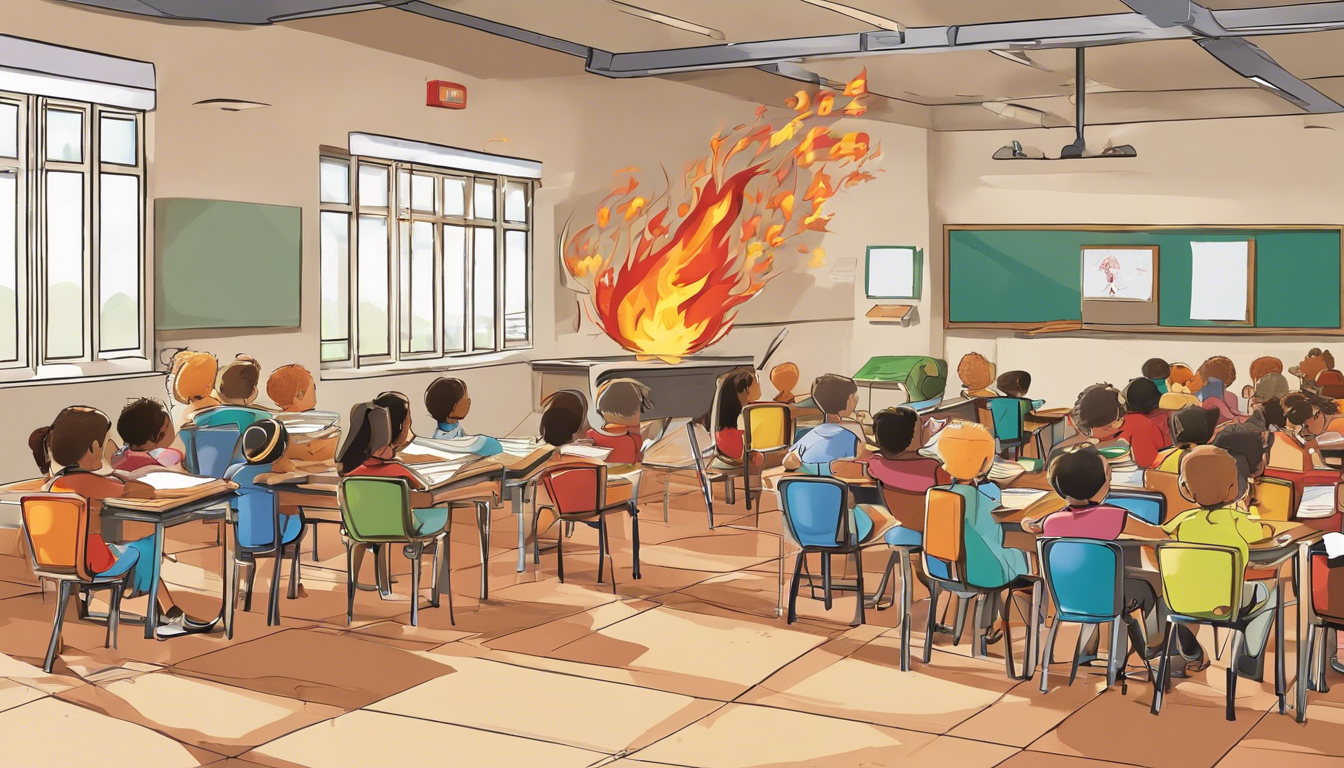
Ensuring fire safety in schools is a paramount concern that cannot be overlooked, as the well-being of students and staff is at stake. The topic of fire safety encompasses not only the prevention of fires but also the preparation and response strategies to minimize damage and protect lives in the event one occurs. Recognizing the critical importance of fire safety, it becomes essential for educational institutions to undergo a thorough fire risk assessment for schools. This serves as the foundation for identifying potential hazards and implementing measures to mitigate them.
In this article, we will delve into identifying common fire risks in schools and tuition classes, emphasizing the necessity of a comprehensive fire risk assessment for schools. Following this, we will explore the implementation of preventive measures to safeguard against these risks. Additionally, special considerations for tuition classes will be highlighted, acknowledging their unique setup and challenges. By the conclusion, our aim is to equip school administrators, teachers, and even parents with the knowledge and strategies needed to enhance fire safety and ensure a secure learning environment for all.
Identifying Common Fire Risks in Schools and Tuition Classes
Identifying common fire risks in educational settings is crucial for ensuring the safety of students and staff. Here, we outline the primary hazards found in schools and tuition classes:
Electrical Systems
Faulty electrical systems, including outdated wiring and overloaded circuits, significantly contribute to school fires. Regular inspections and maintenance are essential to prevent such risks.
Kitchen Facilities
School kitchens are prone to fires due to the use of cooking equipment, flammable materials, and grease buildup. Ensuring that stovetops are attended and that ventilation systems are adequate can mitigate these risks.
Heating Systems
Heating equipment, if not properly maintained, can become a serious fire hazard. This includes furnaces and boilers which should be regularly checked to prevent malfunction and accumulation of flammable materials.
Combustible Materials
The storage and use of flammable materials like paper, cardboard, and certain chemicals near heat sources can increase fire risks. Proper storage and minimal use of such materials are critical preventive measures.
Arson
Intentional acts of arson are a significant threat to school safety. Effective security measures and surveillance are necessary to deter and detect such activities, protecting both property and lives.
Implementing Preventive Measures
Fire Safety Education
We integrate fire safety education into our curriculum to instill a proactive approach to fire prevention. This not only equips students and staff with essential knowledge but also encourages them to act as advocates for fire safety within their communities.
Emergency Preparedness
Our school conducts fire drills at least once a semester to ensure everyone is familiar with evacuation procedures and the operation of fire safety equipment. These drills are crucial for preparing our community for emergency situations.
Fire Detection and Suppression Systems
We ensure that our school is equipped with functional fire alarms, extinguishers, and sprinkler systems. Regular training on the use of fire extinguishers and the importance of reporting malfunctioning equipment is provided to all staff and students.
Regular Inspections
Keeping exits and escape routes clear is a priority. We conduct regular inspections to ensure that all safety equipment is functional and that emergency exits are well-marked and unobstructed.
Collaboration with Local Authorities
We actively collaborate with local fire departments and emergency services to enhance our fire safety protocols. This partnership is vital in maintaining a safe environment for our students and staff.
Special Considerations for Tuition Classes
In tuition classes, where spaces are typically smaller, managing fire safety requires specific adaptations of broader school measures. Firstly, ensure that all flammable materials, such as paper and cleaning products, are stored securely in fire-resistant cabinets to mitigate risks in confined spaces. Secondly, adapting school-wide fire safety protocols to fit the smaller, more variable layouts of tuition classes is crucial. This includes customizing evacuation routes and ensuring that fire safety equipment is accessible and suitable for the space available.
Moreover, fire safety training for tutors is essential. Tutors must be well-versed in identifying potential fire hazards specific to smaller educational environments and effectively use fire extinguishers. Regular drills tailored to the unique challenges of tuition classes will help reinforce this knowledge, ensuring that both tutors and students are prepared to act swiftly and safely in case of a fire.
Conclusion
Through a comprehensive exploration of fire risks and preventive strategies in both schools and tuition classes, we have underscored the critical importance of fire safety education, regular risk assessments, and emergency preparedness. By highlighting the common risks such as faulty electrical systems, misuse of kitchen facilities, improper maintenance of heating systems, storage of combustible materials, and the threat of arson, we present a foundational understanding essential for safeguarding educational environments. It is evident that the integration of structured fire safety protocols and regular collaboration with local emergency services significantly contributes to creating a secure learning atmosphere where both students and staff can focus on education without the looming threat of fire hazards.
Ultimately, the responsibility of fire safety in schools encompasses not only the administrative staff but also teachers, students, and parents. By implementing the discussed preventive measures and ensuring that fire safety education is a staple part of the curriculum, we can instill a culture of vigilance and preparedness within the educational community. This proactive approach not only mitigates the risks of fire incidents but also ensures that, in the event of an emergency, the response is swift, organized, and effective, thereby minimizing potential harm and preserving the sanctity of the educational journey. As we move forward, let this serve as a call to action for continuous improvement in fire safety standards, reflective of our collective commitment to the well-being of every individual within the educational sphere.
FAQs
1. What are effective strategies to enhance fire safety in schools?
To improve fire safety in schools, it is essential to implement a comprehensive fire safety plan and ensure its execution. Training staff and educating students on fire safety measures, conducting regular fire drills, maintaining clear fire exits, routinely testing fire alarms, ensuring the safety of electrical equipment, and safely storing flammable materials are all critical steps in this process.
2. What fire control measures should schools have in place?
Schools must adopt appropriate fire control techniques to manage emergencies effectively. It is vital that every floor is equipped with fire extinguishers or, at a minimum, has access to sand banks to help contain fires before they can spread.
3. What are the best practices for fire prevention?
The best practices for preventing fires include regularly checking and maintaining electrical equipment, ensuring all electrical cords are in good condition, using separate outlets for different appliances, avoiding the use of extension cords when possible, and ensuring that extension cords are used safely and not placed under carpets or across walkways. It is also advisable to connect only one device per electrical outlet.
4. What responsibilities does school management have regarding fire safety?
School management is responsible for appointing a fire safety committee or coordinator. This role involves planning, conducting, and monitoring fire safety audits and drills. The committee or coordinator should include representatives from the school management, staff, students, parents, and the local fire department to ensure a collaborative approach to fire safety.
Common unsafe practices
- Relying on equipment without a hazard assessment
- Blocking or compromising escape routes
- Delaying the alarm or emergency call
- Attempting a response beyond training or safe conditions
- Re-entering before authorised clearance
- Treating a checklist as a substitute for competent inspection