
From Spice to Safety Navigating Kitchen Fire Risks and Solutions
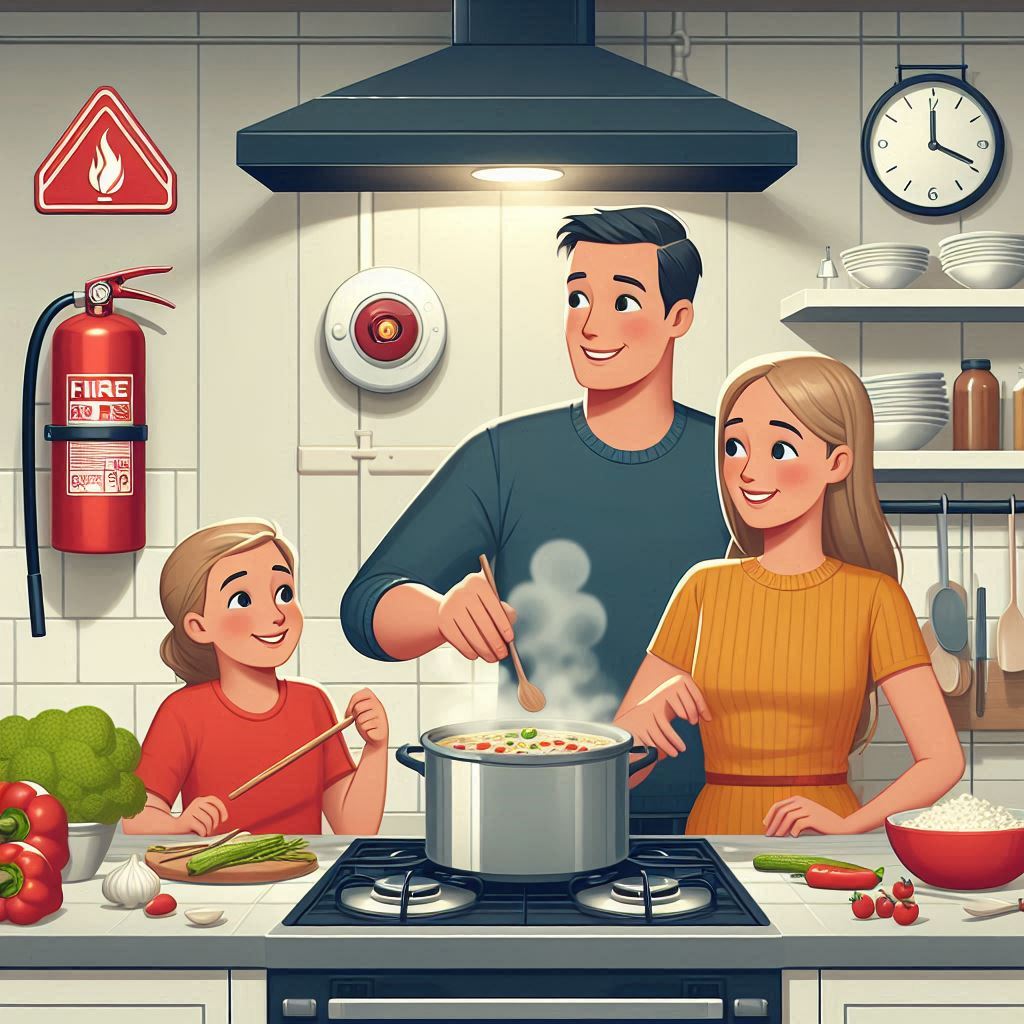
What needs attention
- The article topic must be linked to the actual occupancy and hazard
- Prevention and early warning provide more safety margin than last-second intervention
- Equipment is effective only when correctly selected, accessible and maintained
- People need short practised actions and a clear decision to stop and escape
- Children, visitors and people needing assistance require explicit planning
- Records, drills and inspections matter only when defects are corrected
Controls that reduce risk
- Complete a task- and site-specific hazard assessment
- Verify applicable Indian, state and local requirements
- Use competent inspection for installed systems and specialist hazards
- Keep alarms, exits, signs and emergency access usable
- Train intended users and practise evacuation
- Record defects with an owner and completion date
- Review the plan after changes, incidents or near misses
Understand and apply the guidance
Kitchen fires are a common and potentially devastating hazard in households across India. Given the frequent use of open flames, high heat, and flammable materials in Indian cooking, it’s crucial to understand how to prevent and respond to small kitchen fires effectively. This blog will explore common causes, preventive measures, and steps to take if a fire breaks out.
Common Causes of Kitchen Fires
- Unattended Cooking
- Leaving food cooking on the stove unattended is the leading cause of kitchen fires. Oils and fats can ignite if overheated.
- Grease Fires
- Cooking with oils and fats can lead to grease fires, which can quickly become uncontrollable if not handled properly.
- Faulty Appliances
- Faulty or poorly maintained kitchen appliances, such as microwaves, ovens, and toasters, can cause electrical fires.
- Cluttered Cooking Area
- Keeping flammable items like dish towels, paper towels, and plastic containers near the stove can lead to accidental fires.
- Gas Leaks
- Leaking LPG cylinders or gas stoves can lead to explosions and fires.
Preventive Measures
- Stay Attentive
- Never leave cooking food unattended. If you need to step away, turn off the stove.
- Maintain Cleanliness
- Keep the stove and surrounding areas clean to prevent grease buildup. Regularly clean kitchen appliances.
- Proper Storage
- Store flammable items away from the cooking area. Ensure that dish towels, paper towels, and plastic items are kept at a safe distance.
- Install Smoke Detectors
- Install smoke detectors in the kitchen and ensure they are functional. Test them regularly and replace batteries as needed.
- Check for Gas Leaks
- Regularly check LPG cylinders and gas stoves for leaks. Use soapy water to detect leaks and ensure connections are secure.
- Use Safe Cooking Practices
- Avoid wearing loose clothing while cooking, as it can catch fire. Keep pot handles turned inward to prevent accidental spills.
- Invest in Fire Extinguishers
- Keep a small fire extinguisher in the kitchen and ensure everyone in the household knows how to use it.
What to Do If a Kitchen Fire Breaks Out
- Remain Calm
- Panic can lead to poor decisions. Stay calm and act quickly.
- Turn Off the Heat
- If it’s safe to do so, turn off the stove or oven to stop the source of heat.
- Cover the Flames
- For small fires, cover the flames with a metal lid or a baking sheet to smother the fire. Do not use glass lids, as they can shatter.
- Use Baking Soda or Salt
- For grease fires, use baking soda or salt to extinguish the flames. Do not use water, as it can cause the fire to spread.
- Use a Fire Extinguisher
- If the fire is manageable, use a fire extinguisher to put it out. Aim at the base of the fire, not the flames.
- Evacuate and Call for Help
- If the fire is too large to control, evacuate immediately and call the fire department. Ensure everyone in the house is safe.
Stories of Caution
Case Study 1: The Grease Fire A family in Mumbai experienced a grease fire while frying pakoras. The cook left the kitchen for a moment, and the oil overheated, igniting into flames. Fortunately, they had a fire extinguisher nearby, which they used to control the fire before it spread.
Case Study 2: The Gas Leak In Delhi, a leaking LPG cylinder led to a kitchen explosion when the stove was turned on. The family had not checked the cylinder for leaks, which could have been detected using soapy water. This incident underscores the importance of regular maintenance and checks for gas leaks.
Conclusion
Kitchen fires can be prevented with vigilance and proper safety measures. By staying attentive, maintaining cleanliness, and being prepared, you can significantly reduce the risk of kitchen fires. Remember, safety in the kitchen is not just about cooking delicious meals but also about ensuring a safe environment for everyone.
Stay Safe in the Kitchen
Adopt safe cooking practices, keep your kitchen well-maintained, and always be prepared to handle emergencies. Together, we can prevent kitchen fires and ensure our homes remain safe and secure.
Common unsafe practices
- Relying on equipment without a hazard assessment
- Blocking or compromising escape routes
- Delaying the alarm or emergency call
- Attempting a response beyond training or safe conditions
- Re-entering before authorised clearance
- Treating a checklist as a substitute for competent inspection