
From Temples to Malls: Why India’s Public Spaces Aren’t Safe
What needs attention
- The article topic must be linked to the actual occupancy and hazard
- Prevention and early warning provide more safety margin than last-second intervention
- Equipment is effective only when correctly selected, accessible and maintained
- People need short practised actions and a clear decision to stop and escape
- Children, visitors and people needing assistance require explicit planning
- Records, drills and inspections matter only when defects are corrected
Controls that reduce risk
- Complete a task- and site-specific hazard assessment
- Verify applicable Indian, state and local requirements
- Use competent inspection for installed systems and specialist hazards
- Keep alarms, exits, signs and emergency access usable
- Train intended users and practise evacuation
- Record defects with an owner and completion date
- Review the plan after changes, incidents or near misses
Understand and apply the guidance
📍 What We Found (Recent Observations in Public Spaces)
During recent travels, we documented alarming lapses in fire and life safety systems across India’s most crowded public spaces. These are not minor issues — they are death traps in waiting.
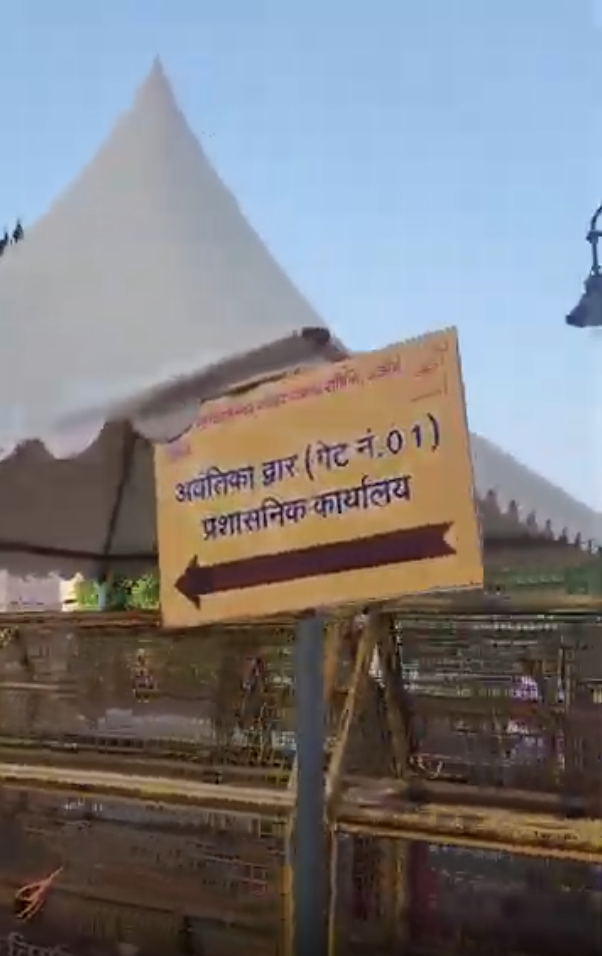
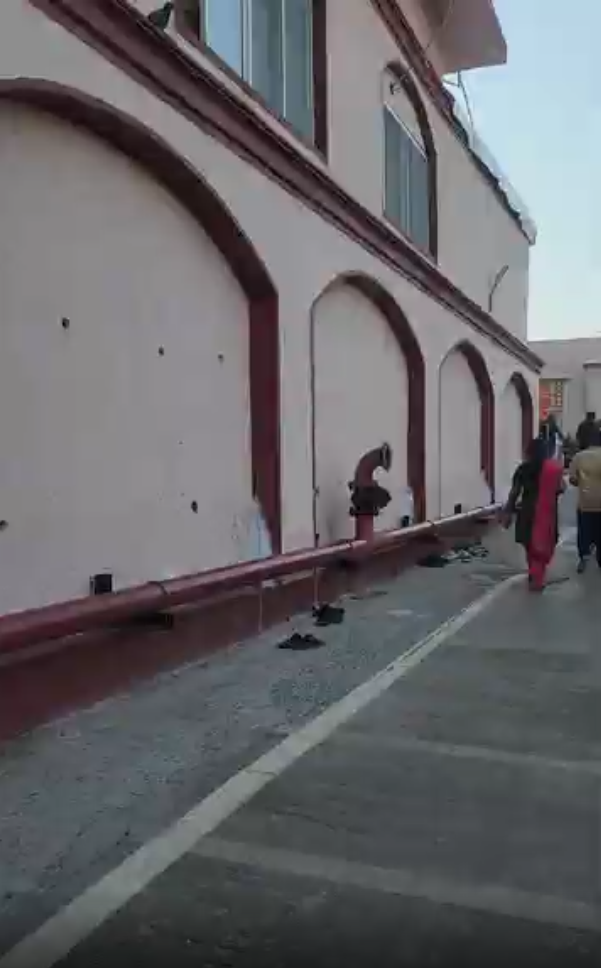
- Temple (Ujjain – Mahakal Temple Yard)
🚫 Hydrant installed but hydrant valve missing → System completely non-functional.
👉 Thousands of devotees visit daily — no protection in case of fire.
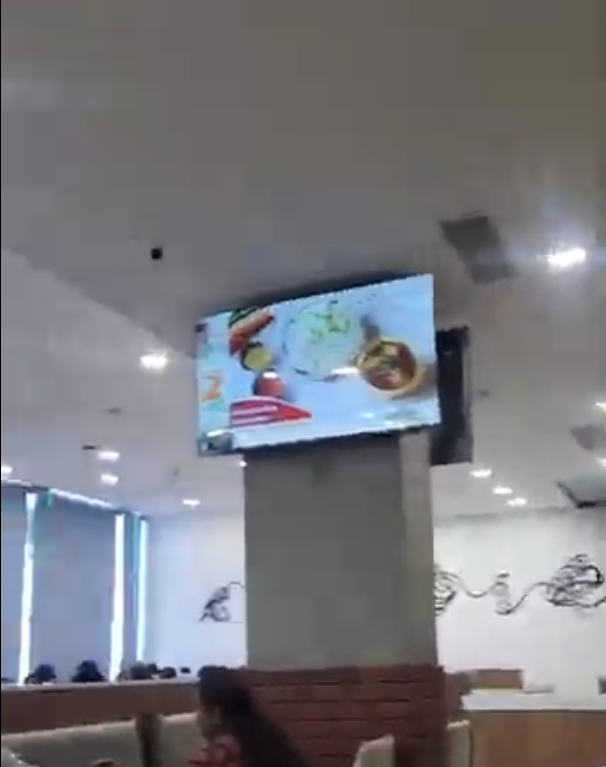
- Restaurant (Visakhapatnam)
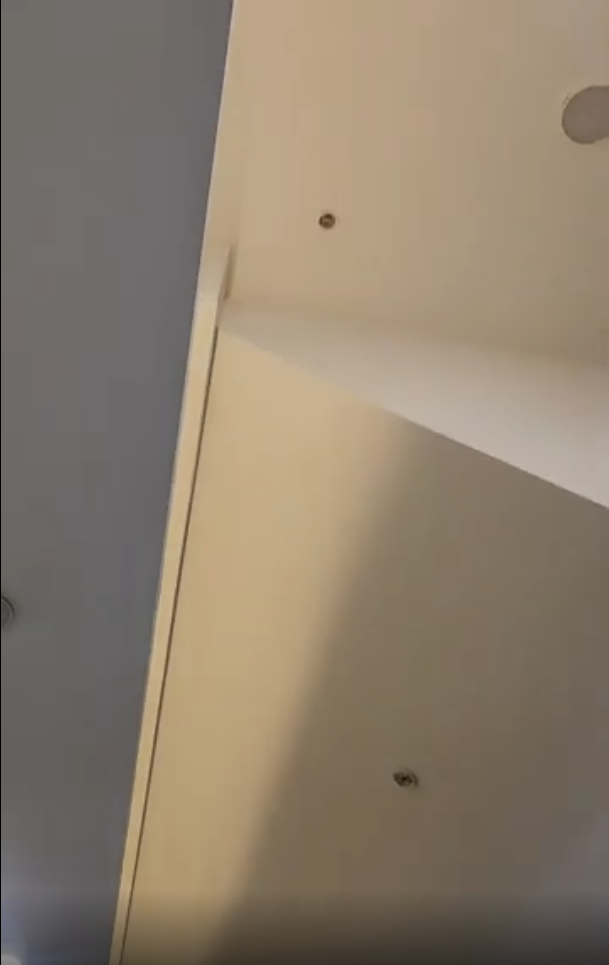
🚫 Smoke detector missing (only base plate visible).
🚫 Sprinklers covered with caps.
👉 A packed restaurant with no detection, no suppression = instant disaster.
- Mall / Showroom (Lifestyle Showroom)
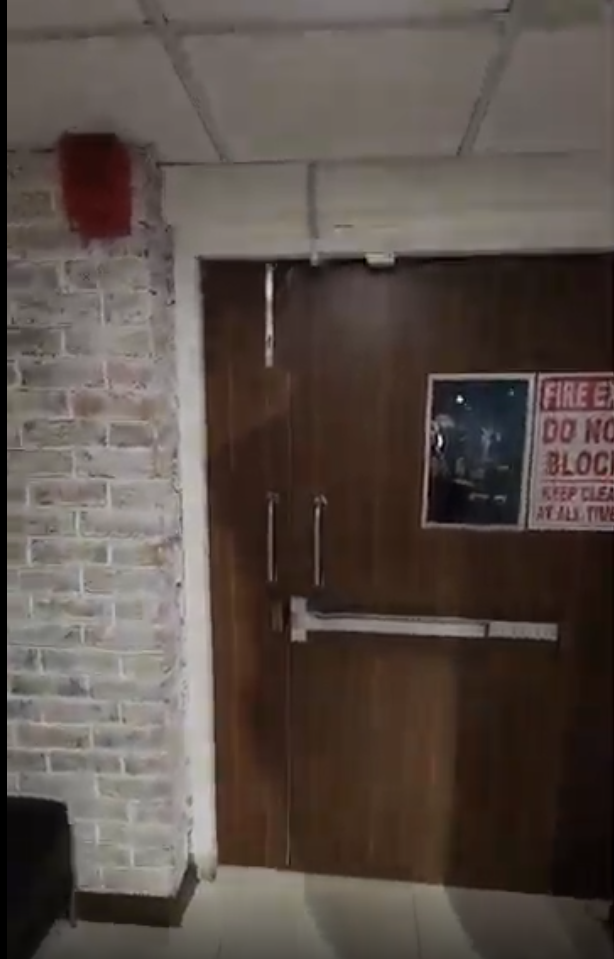
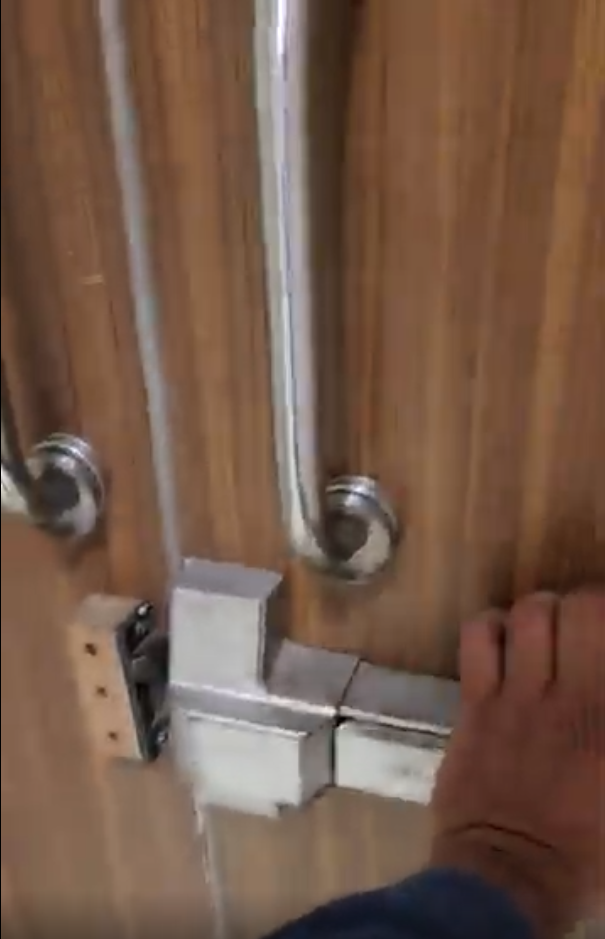
🚫 Fire exit locked.
👉 Locked exit = panic + stampede → maximum deaths.
- On the Road – Worker Safety
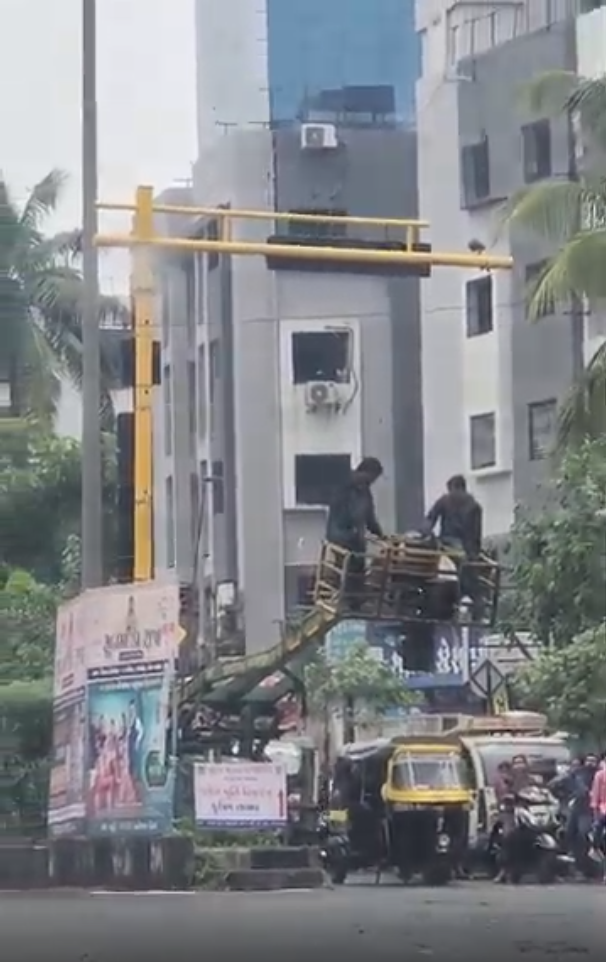
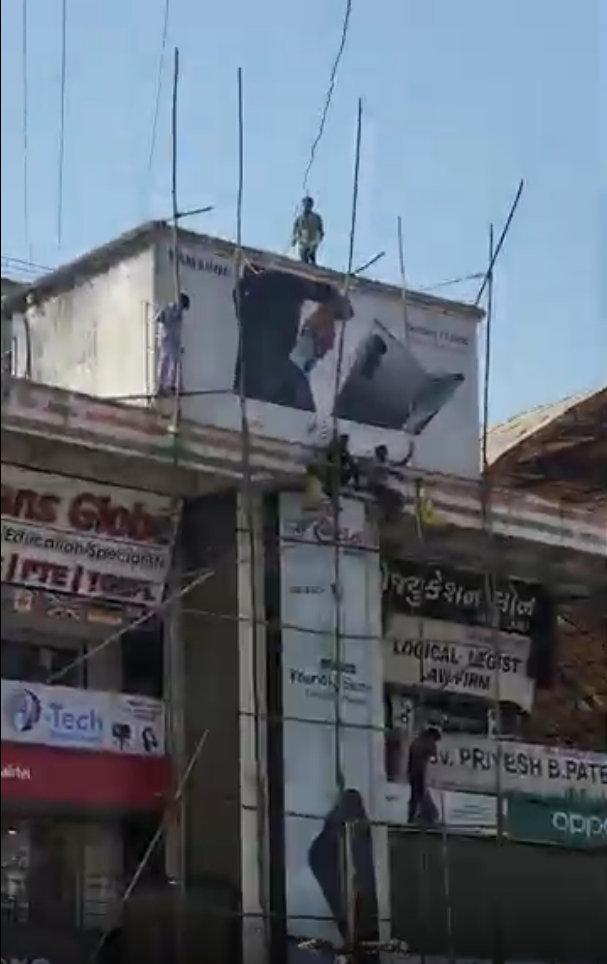
🚫 Workers on scaffolding at a commercial building — no helmets, no harness.
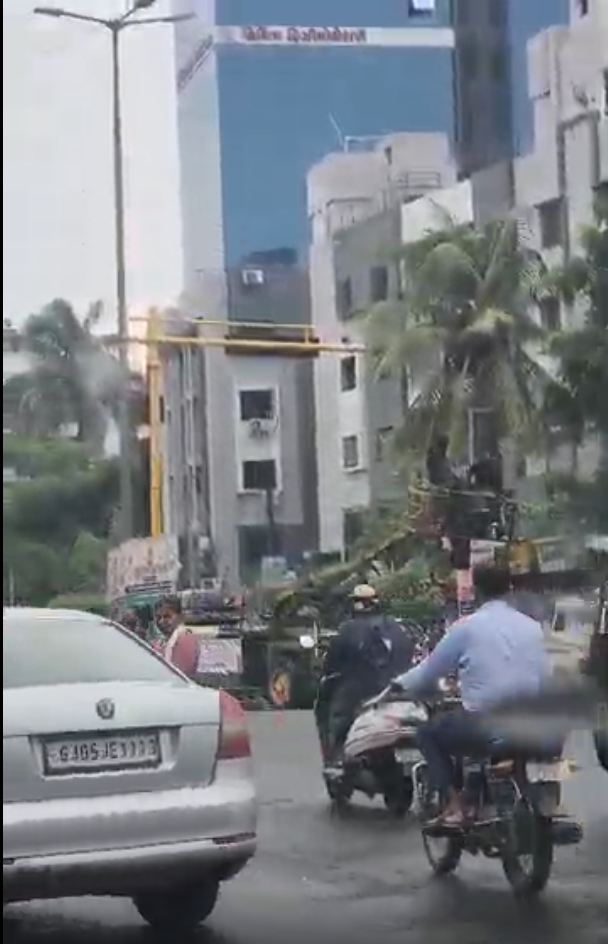
🚫 Municipal worker on busy road circle — working at height without harness.
👉 Falls in such crowded spaces = tragedy for workers and public.
- Metro Stations (Multiple Cities)
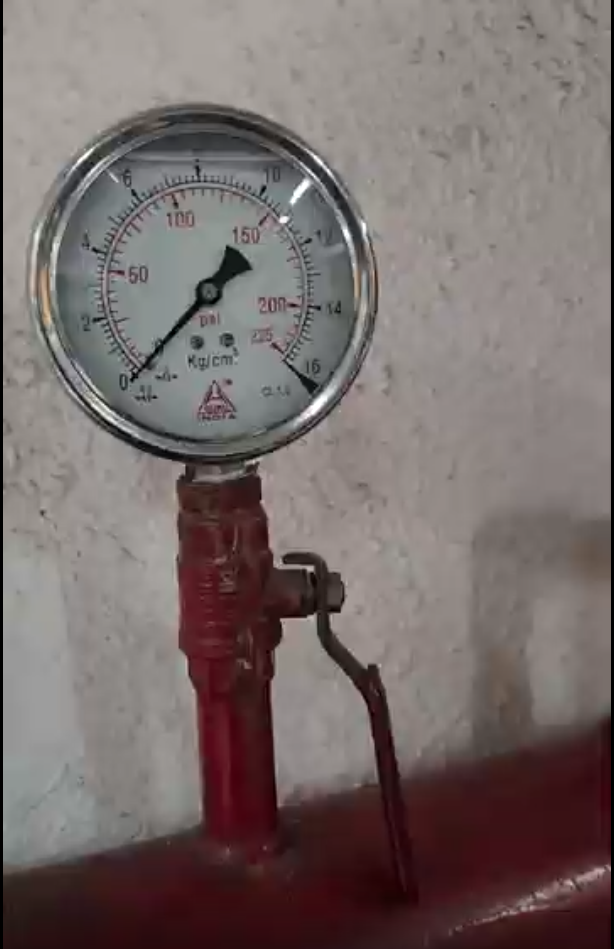
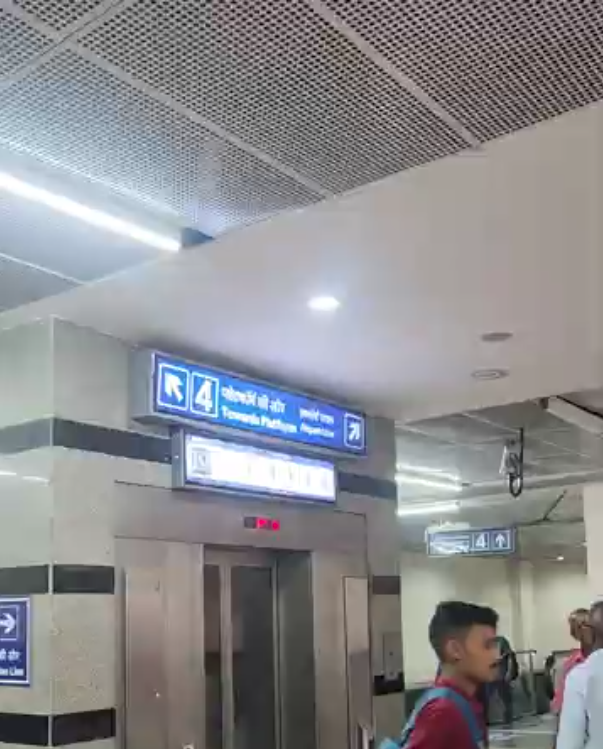
🚫 Hydrants placed at entry/exit gates — but in many cities:- Wheel theft from hydrants
- Hose pipes missing
- Hydrant valves missing
👉 These hydrants are not only for metro premises but also for public road safety nearby.
If fire breaks out at a metro station, mall, or busy junction — response = zero.
🔍 Why This Matters
PPublic spaces = highest human density zones.
- Temples, malls, restaurants, metros, roads → millions of citizens daily.
- Even a small fire, accident, or collapse here can kill dozens within minutes.
- Without working hydrants, exits, alarms, or safety harnesses → accidents instantly become disasters.
👉 Citizens trust that “systems are installed.”
Reality: They exist only on paper or as broken showpieces
⚠️ The Core Problem
- Fire systems = installed for compliance, ignored after inauguration.
- Maintenance = missing, theft unmonitored, no inspections.
- Worker safety = neglected in both government and private projects.
- Citizens = unaware, silent, and uninformed.
Result: Everyday negligence → future catastrophe.
📊 Data Context (India)
- 80%+ of public buildings in India fail random fire audits (CAG, State Fire Reports).
- 97% shortage in fire services manpower & infrastructure (NDMA, RMSI).
- NCRB: >1,000 people die annually in fires at public/commercial spaces.
- Worker safety: India records 48 deaths daily due to occupational hazards (ILO, NSO).
🛡 How You Can Survive & Help
✅ Look up: Are smoke detectors in place? Are sprinklers open or capped?
✅ Notice hydrants: Are wheels, valves, or hoses missing?
✅ Check exits: Are they open or locked?
✅ Report: Immediately inform the authorities on site.
✅ Document: Share photo/video evidence with us at HowToSurvive.in.
✅ Educate: Talk to your family — don’t assume systems will work.
📢 Public Call to Action
This is not just about “compliance.”
This is about your safety, your family’s safety, your children’s safety.
🚨 Next time you are in a temple, mall, metro, restaurant, or office:
👉 Look around. Notice the hydrant, the exit, the alarm.
👉 If it’s missing or broken — SPEAK UP. REPORT IT. SHARE IT.
One citizen’s voice = one prevented tragedy.
📌 Tags
#PublicSafetyCheck #HowToSurvive #FireSafetyIndia #WorkplaceSafety #DisasterPrevention #VFFIndia
🔚 Closing Line
Every missing safety system = a missing chance to save a life.
Every locked exit = a locked future.
This is why we built HowToSurvive.in — to awaken citizens, before another tragedy awakens us.
Common unsafe practices
- Relying on equipment without a hazard assessment
- Blocking or compromising escape routes
- Delaying the alarm or emergency call
- Attempting a response beyond training or safe conditions
- Re-entering before authorised clearance
- Treating a checklist as a substitute for competent inspection